
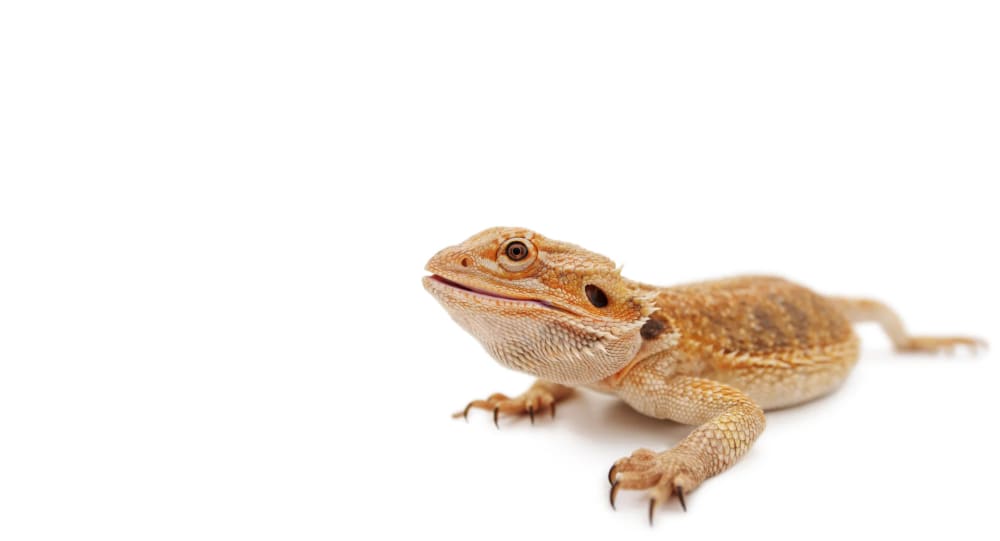
Bearded dragons are hardy reptiles known for their calm temperament and relatively simple care requirements. However, one of the most common concerns among new and experienced reptile owners alike is how long these pets can safely go without eating. Whether your bearded dragon has suddenly lost its appetite, is preparing to brumate, or you’re worried during travel or illness, understanding their feeding tolerance is essential for proper care.
This in-depth guide explains how long bearded dragons can go without food, what factors influence their fasting ability, warning signs of danger, and what you should do if your dragon stops eating.
Understanding the Natural Feeding Behavior of Bearded Dragons
Before discussing fasting limits, it’s important to understand that bearded dragons evolved in the harsh, arid regions of Australia. In the wild, food availability can fluctuate due to seasonal changes, drought, and temperature shifts. Because of this, bearded dragons have developed the ability to survive periods with limited food.
However, survival is not the same as optimal health. While they can go without food for a certain period, prolonged fasting can still lead to health complications, especially in captivity where conditions differ from the wild.
Quick Answer: How Long Can Bearded Dragons Go Without Food?
The length of time a bearded dragon can go without eating depends largely on age, health, and environmental conditions.
General guidelines:
- Baby bearded dragons (0–3 months): 1–3 days (not recommended)
- Juveniles (3–12 months): up to 1 week (short-term only)
- Healthy adults: 2–4 weeks in many cases
- During brumation: 1–3 months or longer
Important: Just because an adult can survive several weeks without food does not mean it is safe to allow this intentionally. Always investigate the cause of appetite loss.
Why Bearded Dragons Sometimes Stop Eating
A bearded dragon refusing food is fairly common and often linked to natural or environmental factors.
Brumation
Brumation is the reptile equivalent of hibernation. During this period, adult bearded dragons may:
- Sleep more
- Move less
- Eat very little or nothing
- Hide frequently
Healthy adults in brumation can safely go weeks or months with minimal food because their metabolism slows significantly.
Incorrect Tank Temperatures
Temperature is the number one cause of appetite loss in captive bearded dragons. If the basking spot is too cool, your dragon cannot properly digest food and may stop eating altogether.
Ideal temperatures:
- Basking spot: 100–110°F (37–43°C)
- Warm side: 90–95°F (32–35°C)
- Cool side: 75–85°F (24–29°C)
Stress
Common stress triggers include:
- New enclosure
- Recent relocation
- New tank mates
- Excessive handling
- Loud environments
Stress-related fasting usually resolves once the dragon adjusts.
Shedding
Many bearded dragons temporarily lose their appetite while shedding. This is usually short-lived and normal.
Illness or Parasites
Loss of appetite lasting more than 1–2 weeks (outside of brumation) may indicate:
- Parasites
- Impaction
- Metabolic bone disease
- Respiratory infection
- Mouth rot
In these cases, veterinary care is necessary.
How Long Baby Bearded Dragons Can Go Without Food
Baby bearded dragons are much more vulnerable to fasting than adults.
Why Babies Need Frequent Feeding
Young dragons are in rapid growth mode and require:
- High protein intake
- Frequent meals (2–4 times daily)
- Consistent hydration
- Proper calcium intake
Because of their fast metabolism and small fat reserves, babies should not go long without food.
Safe Fasting Window for Babies
- 24 hours without food: usually okay
- 48 hours: monitor closely
- 72 hours: concerning — investigate immediately
If a baby bearded dragon refuses food for more than two days, you should check:
- Tank temperatures
- UVB lighting
- Hydration
- Signs of illness
Early intervention is critical at this stage of life.
How Long Juvenile Bearded Dragons Can Go Without Food
Juveniles (roughly 3–12 months old) have more fat reserves than babies but still require regular feeding.
Typical Tolerance
Most healthy juveniles can safely go:
- 3–5 days: generally safe
- Up to 7 days: possible but should be monitored
- More than 7 days: investigate cause
Juveniles still need significant nutrition for growth, so prolonged fasting can slow development.
How Long Adult Bearded Dragons Can Go Without Food
Adult bearded dragons are the most resilient when it comes to fasting.
Normal Adult Tolerance
A healthy adult with proper body weight can often go:
- 1 week: usually harmless
- 2 weeks: often still safe if hydrated
- 3–4 weeks: possible but should be monitored closely
However, this assumes the dragon is:
- Well-hydrated
- Not underweight
- Living in correct temperatures
- Otherwise healthy
Never intentionally starve a bearded dragon to test these limits.
Brumation: The Exception to the Rule
Brumation changes everything.
What Happens During Brumation
When brumating, a bearded dragon’s:
- Metabolism slows dramatically
- Energy needs drop
- Appetite disappears
- Activity decreases
During this time, it is normal for adult dragons to eat very little or nothing.
How Long They Can Go Without Food in Brumation
Healthy adult bearded dragons can go:
- 4–8 weeks commonly
- Up to 3 months in some cases
Important precautions:
- Ensure the dragon is healthy before brumation
- Provide access to fresh water
- Maintain appropriate cool temperatures
- Do not force-feed
If you are unsure whether your dragon is brumating or sick, consult a reptile veterinarian.
Factors That Affect How Long a Bearded Dragon Can Fast
Several variables influence fasting tolerance.
Age
- Babies: very low tolerance
- Juveniles: moderate tolerance
- Adults: highest tolerance
Body Condition
Overweight dragons can survive longer fasts than underweight ones. A thin dragon should never go long without eating.
Hydration
Water is often more critical than food in the short term. A hydrated dragon can tolerate fasting far better.
Signs of dehydration:
- Wrinkled skin
- Sunken eyes
- Sticky saliva
- Lethargy
Temperature and UVB Lighting
Improper husbandry reduces appetite and weakens digestion. Always verify:
- Basking temperature
- UVB bulb strength
- Bulb age (UVB weakens over time)
- Photoperiod (12–14 hours of light)
Overall Health
Underlying illness dramatically reduces fasting tolerance. Sick dragons should never be allowed to go long without nutrition.
Warning Signs That Fasting Is Becoming Dangerous
Watch for these red flags if your bearded dragon hasn’t eaten.
Rapid Weight Loss
Use a digital kitchen scale to monitor weekly weight. Concerning signs:
- Visible hip bones
- Sunken fat pads
- Tail thinning
- Loose skin folds
Severe Lethargy
Normal fasting dragons remain alert when handled. Danger signs include:
- Weakness
- Unresponsiveness
- Inability to stand
- Tremors
Dehydration Symptoms
- Wrinkled skin
- Dry mouth
- Thick saliva
- Sunken eyes
Abnormal Stool or Lack of Stool
If your dragon stops eating and hasn’t defecated for weeks (outside brumation), impaction may be a concern.
What To Do If Your Bearded Dragon Stops Eating
If your dragon refuses food, follow a systematic approach.
Step 1: Check Temperatures Immediately
This fixes many appetite issues.
- Verify with a digital probe thermometer
- Adjust basking spot if needed
- Ensure proper heat gradient
Step 2: Evaluate UVB Lighting
Ask yourself:
- Is the UVB bulb less than 6–12 months old?
- Is it the correct strength (10.0 or equivalent)?
- Is it placed at the proper distance?
- Is there no glass blocking it?
Poor UVB is a very common cause of appetite loss.
Step 3: Offer Favorite Foods
Try enticing options:
- Live insects (crickets, dubia roaches)
- Fresh leafy greens
- Occasional treats like hornworms
Sometimes variety stimulates appetite.
Step 4: Ensure Proper Hydration
Offer water by:
- Light misting
- Shallow water dish
- Occasional warm bath (supervised)
Never force water into the mouth.
Step 5: Minimize Stress
Reduce:
- Excess handling
- Loud noises
- Tank rearrangements
- Visual stress from other pets
Step 6: Monitor Weight Weekly
Weight tracking is one of the best early warning systems.
Step 7: Consult a Reptile Vet
Seek professional help if:
- Baby hasn’t eaten for 2–3 days
- Juvenile hasn’t eaten for 7 days
- Adult hasn’t eaten for 2–3 weeks (not brumating)
- Weight loss is visible
- Other symptoms appear
When Force-Feeding May Be Necessary
Force-feeding should only be done under veterinary guidance.
Improper force-feeding can cause:
- Aspiration
- Jaw injury
- Severe stress
- Death in extreme cases
A vet may recommend:
- Assist feeding
- Critical care formulas
- Parasite treatment
- Fluid therapy
Never attempt aggressive feeding without instruction.
Preventing Appetite Problems in Bearded Dragons
Prevention is far easier than treatment.
Maintain Proper Husbandry
- Correct basking temperature
- High-quality UVB lighting
- Proper enclosure size
- Clean habitat
- Appropriate humidity
Feed a Balanced Diet
Babies:
- 70–80% insects
- 20–30% greens
Adults:
- 70–80% greens
- 20–30% insects
Regular Health Checks
- Weekly weight monitoring
- Routine fecal exams
- Observe behavior daily
- Watch shedding patterns
Reduce Chronic Stress
Provide:
- Proper hides
- Visual security
- Stable routine
- Gentle handling
Frequently Asked Questions
Can a bearded dragon starve itself to death?
Yes. While uncommon in healthy adults, prolonged refusal to eat due to illness, poor husbandry, or severe stress can eventually lead to starvation. Early intervention is key.
Is it normal for bearded dragons to skip meals?
Occasionally, yes—especially during shedding or minor stress. But extended fasting should always be investigated.
Should I worry if my adult hasn’t eaten for a week?
Not immediately, especially if:
- Weight is stable
- Behavior is normal
- Temperatures are correct
Continue monitoring closely.
How long is too long without food?
General concern thresholds:
- Babies: 2–3 days
- Juveniles: 7 days
- Adults: 2–3 weeks (outside brumation)
Final Thoughts
Bearded dragons are remarkably resilient reptiles, but their ability to survive without food varies significantly by age, health, and environmental conditions. While healthy adults may tolerate weeks of fasting—especially during brumation—babies and juveniles require far more consistent feeding.
As a responsible owner, your goal should never be to test how long your bearded dragon can go without food, but rather to identify and correct the underlying reason for appetite loss as quickly as possible.
When in doubt, always check husbandry first, monitor weight carefully, and consult a qualified reptile veterinarian if fasting persists. With proper care and attention, most bearded dragons maintain healthy appetites and thrive for many years.