
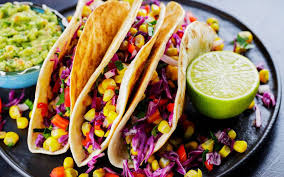
Mexican cuisine is one of the most beloved and widely enjoyed food traditions in the world. From tacos and enchiladas to guacamole and tamales, it offers bold flavors, vibrant colors, and deeply rooted cultural heritage. But when it comes to health, many people ask an important question: Is Mexican food healthy?
The answer is not a simple yes or no. Mexican food can be incredibly nutritious and balanced, but it can also become high in calories, sodium, and unhealthy fats depending on preparation methods and portion sizes. Understanding the difference between traditional Mexican cuisine and heavily commercialized versions is key.
In this comprehensive guide, we’ll explore the nutritional foundation of authentic Mexican food, common health misconceptions, ingredients that promote wellness, and how to make smarter choices when dining out or cooking at home.
Understanding Traditional Mexican Cuisine
To determine whether Mexican food is healthy, we first need to distinguish between traditional Mexican cuisine and the Tex-Mex or fast-food variations often found outside of Mexico.
Authentic Mexican cooking, especially the kind recognized by UNESCO as an Intangible Cultural Heritage, is built on wholesome, plant-based staples and balanced combinations of:
- Corn
- Beans
- Tomatoes
- Chiles
- Squash
- Avocados
- Fresh herbs
- Lean proteins
These ingredients create meals that are naturally high in fiber, vitamins, minerals, and plant-based protein.
Dishes such as those commonly found in regions like Mexico reflect centuries of culinary evolution, combining indigenous Mesoamerican ingredients with influences introduced during Spanish colonization.
When consumed in their traditional form, many Mexican meals are nutrient-dense and well-balanced.
Core Ingredients That Make Mexican Food Nutritious
Corn (Maize)
Corn is the backbone of Mexican cuisine. Used to make tortillas, tamales, and atole, it provides complex carbohydrates and fiber.
Traditional corn tortillas are often made through a process called nixtamalization, which increases calcium content and improves nutrient absorption. Compared to refined white flour tortillas, corn tortillas are lower in calories and richer in whole-grain nutrients.
Beans
Beans are one of the healthiest staples in Mexican cooking. Black beans, pinto beans, and kidney beans are excellent sources of:
- Plant-based protein
- Fiber
- Iron
- Magnesium
- Potassium
They support heart health, improve digestion, and help regulate blood sugar levels. Unlike heavily processed side dishes, whole beans are low in fat and incredibly filling.
Avocados
Avocados are rich in heart-healthy monounsaturated fats. Guacamole, when prepared fresh with minimal added salt, provides:
- Healthy fats
- Fiber
- Folate
- Vitamin K
- Potassium
These nutrients support cardiovascular health and help reduce inflammation.
Tomatoes and Chiles
Mexican food uses fresh tomatoes, tomatillos, and various chiles to build flavor naturally without relying heavily on artificial additives.
Tomatoes are high in lycopene, a powerful antioxidant linked to reduced risk of heart disease and certain cancers. Chiles provide capsaicin, which may boost metabolism and support pain relief.
Lean Proteins
Traditional dishes often include grilled chicken, fish, or lean cuts of pork and beef. Coastal regions incorporate seafood frequently, offering omega-3 fatty acids that promote heart and brain health.
The Role of Vegetables in Mexican Meals
Contrary to the stereotype of Mexican food being heavy and greasy, vegetables play a central role in authentic dishes. Common vegetables include:
- Zucchini
- Squash blossoms
- Spinach
- Cabbage
- Radishes
- Onions
- Cilantro
Many traditional meals combine beans, vegetables, and small amounts of meat, creating a naturally balanced plate.
For example, vegetable-based fillings for tacos or enchiladas can provide fiber, vitamins, and phytonutrients without excessive calories.
Portion Sizes and Preparation Methods Matter
While the ingredients in Mexican cuisine are often healthy, preparation style significantly affects nutritional value.
Healthier Cooking Methods
- Grilling (as in carne asada)
- Steaming (as with tamales)
- Boiling and simmering
- Roasting
Less Healthy Cooking Methods
- Deep frying (e.g., chimichangas)
- Excessive use of lard
- Heavy cheese layering
- Cream-based sauces
A grilled fish taco with cabbage and salsa is vastly different nutritionally from a deep-fried burrito covered in cheese sauce.
The health impact depends more on how the dish is prepared than on the cuisine itself.
Tex-Mex vs. Authentic Mexican Food
Many people associate Mexican food with oversized burritos, mountains of shredded cheese, sour cream, and fried tortilla chips. These characteristics are more typical of Tex-Mex cuisine, which evolved in the southern United States.
Tex-Mex dishes often feature:
- Large flour tortillas
- Heavy cheese
- Refried beans cooked in lard
- Sour cream in large quantities
- Fried taco shells
While delicious, these versions can be high in calories, saturated fat, and sodium.
Authentic Mexican dishes, especially those commonly enjoyed in cities like Oaxaca, tend to emphasize fresh ingredients, complex sauces made from chiles and seeds, and balanced portions.
Understanding this distinction helps clarify why Mexican food can either support or undermine health goals.
Is Mexican Food Good for Weight Loss?
Mexican food can absolutely fit into a weight-loss plan when approached thoughtfully.
Why It Can Help
- High fiber from beans and vegetables increases fullness
- Lean proteins promote muscle retention
- Spicy foods may enhance metabolism
- Balanced macronutrients reduce cravings
A meal of grilled chicken tacos on corn tortillas with salsa and avocado can be moderate in calories yet satisfying.
When It Becomes Problematic
- Oversized restaurant portions
- Unlimited chips and queso
- Heavy cheese and sour cream
- Sugary beverages
The key is mindful portion control and ingredient awareness.
Heart Health and Mexican Cuisine
Traditional Mexican diets can support heart health due to:
- High fiber intake
- Plant-based proteins
- Healthy fats from avocado
- Limited processed ingredients
Beans and whole grains are strongly associated with reduced cholesterol levels. Replacing saturated fats with monounsaturated fats (such as those from avocado) also supports cardiovascular wellness.
However, sodium can become a concern in restaurant versions, especially when processed seasonings and packaged tortillas are used.
Is Mexican Food High in Sodium?
It can be, depending on preparation.
Common sources of sodium include:
- Packaged taco seasoning
- Canned beans
- Processed cheese
- Restaurant salsas
- Salted chips
Cooking at home allows better control of salt levels. Using fresh herbs, lime juice, garlic, and chiles enhances flavor without excessive sodium.
Gluten-Free and Plant-Based Benefits
Many traditional Mexican foods are naturally gluten-free because they rely on corn rather than wheat.
Corn tortillas, tamales, rice, beans, and many salsas are gluten-free by default.
Additionally, Mexican cuisine offers excellent vegetarian and vegan options:
- Bean tacos
- Vegetable enchiladas
- Chiles rellenos (when not battered and fried)
- Nopal (cactus) dishes
Plant-forward meals are common in rural and indigenous regions of Mexico, making the cuisine adaptable to various dietary preferences.
The Mediterranean Comparison
Interestingly, some nutritionists compare traditional Mexican diets to the Mediterranean diet in terms of plant diversity, whole foods, and healthy fats.
Both cuisines emphasize:
- Legumes
- Vegetables
- Healthy oils/fats
- Moderate portions of animal protein
- Fresh herbs and spices
The main difference lies in staple grains (corn versus wheat), but nutritionally, both patterns can be highly beneficial.
Common Mexican Dishes and Their Health Profile
Tacos
Healthy when:
- Served on corn tortillas
- Filled with grilled meat or vegetables
- Topped with salsa instead of heavy sauces
Less healthy when:
- Fried shells
- Excess cheese and sour cream
Enchiladas
Healthier when:
- Baked instead of fried
- Filled with vegetables or lean protein
- Covered in chile-based sauce rather than cream sauce
Burritos
Healthy when:
- Moderately sized
- Filled with beans, rice, vegetables, and lean protein
Less healthy when:
- Oversized
- Loaded with cheese and sour cream
Tamales
Steamed tamales can be nutritious, though they are calorie-dense due to masa. Portion awareness is important.
The Role of Cultural Eating Patterns
Health outcomes are influenced not just by food, but by lifestyle patterns.
In many traditional Mexican communities, meals are:
- Cooked from scratch
- Eaten with family
- Consumed at regular times
- Accompanied by physical activity
Modern processed adaptations and sedentary lifestyles have changed these patterns, contributing to higher rates of obesity and metabolic disease in urban areas.
The cuisine itself is not inherently unhealthy—lifestyle shifts play a significant role.
Making Mexican Food Healthier at Home
Here are practical tips for maximizing nutritional value:
- Use corn tortillas instead of flour
- Grill instead of fry
- Use Greek yogurt instead of sour cream
- Add extra vegetables to fillings
- Choose whole beans instead of refried
- Limit cheese portions
- Make fresh salsa instead of store-bought
Small adjustments can dramatically reduce calories and saturated fat while preserving flavor.
When Mexican Food May Not Be Ideal
Certain individuals may need caution:
- Those monitoring sodium intake
- People with lactose intolerance (due to cheese-heavy dishes)
- Individuals limiting carbohydrates
However, with customization, Mexican food can be adapted to most dietary needs.
The Psychological and Social Benefits
Food is more than nutrients—it’s culture, joy, and connection.
Meals inspired by traditional Mexican cooking encourage:
- Shared dining experiences
- Vibrant presentation
- Sensory satisfaction
Enjoying food without guilt, in balanced portions, is part of a healthy relationship with eating.
Final Verdict: Is Mexican Food Healthy?
Yes, Mexican food can be very healthy—especially when rooted in traditional ingredients and mindful preparation methods.
Its foundation of beans, corn, vegetables, herbs, and lean proteins creates a nutrient-rich dietary pattern that supports heart health, digestive health, and weight management.
However, like any cuisine, it can become unhealthy when:
- Portions are oversized
- Fried items dominate the plate
- Cheese and processed ingredients are excessive
The key takeaway is that Mexican food is not inherently unhealthy. In fact, in its authentic form, it is one of the most balanced and diverse culinary traditions in the world.
Choosing grilled over fried, corn over flour, fresh over processed, and moderation over excess allows you to enjoy the bold flavors of Mexican cuisine while supporting long-term health.
When approached thoughtfully, Mexican food is not just delicious—it can be a powerful part of a nutritious and satisfying lifestyle.