
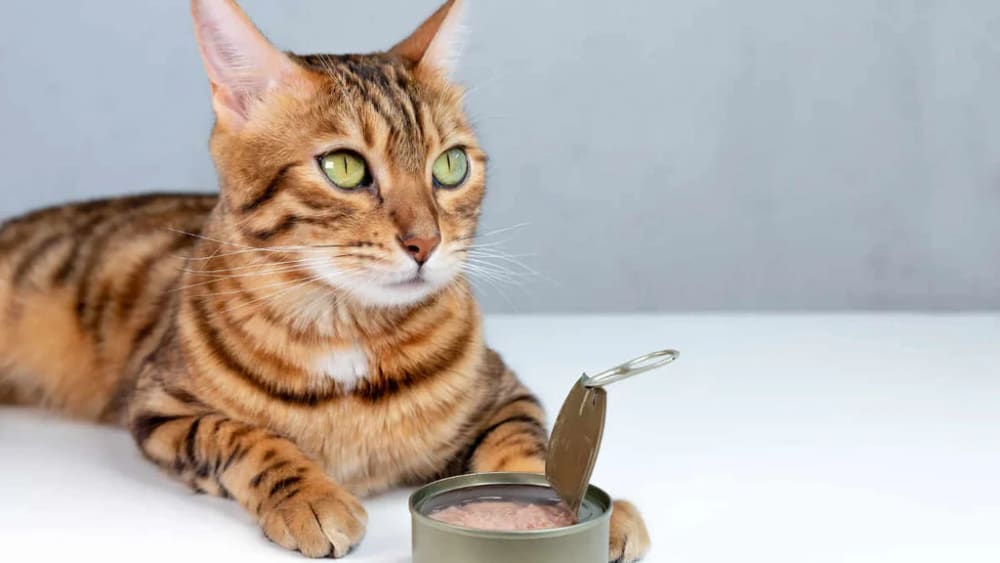
Wet cat food is a popular choice among pet owners because of its high moisture content, palatability, and nutritional balance. Cats often find it more appetizing than dry kibble, and veterinarians frequently recommend it for hydration and urinary health support. However, one common question concerns safety and freshness: how long can wet cat food sit out before it becomes unsafe?
Understanding the answer is crucial for protecting your cat from foodborne illness, preserving nutrients, and preventing waste. This comprehensive guide explains safe time limits, factors that affect spoilage, storage tips, and practical feeding strategies so you can confidently manage your cat’s meals.
Why Wet Cat Food Spoils Quickly
Wet cat food contains a high percentage of water—often 70–80% moisture. While this makes it excellent for hydration, it also creates an ideal environment for bacteria to grow. Once exposed to air, microorganisms begin multiplying rapidly, especially at room temperature.
Unlike dry kibble, which has a low moisture content and longer shelf life after opening, wet food behaves more like cooked meat. After opening the can or pouch, the protective seal is broken. From that point forward, exposure to:
- Air
- Warm temperatures
- Bacteria from the environment
- Your cat’s saliva
can accelerate spoilage.
The general rule of thumb is simple, but several factors influence the exact timeframe.
The General Rule: 1 to 2 Hours at Room Temperature
In most indoor environments (around 68–72°F or 20–22°C), wet cat food should not sit out for more than 1 to 2 hours.
After this period:
- Bacterial growth increases significantly
- Texture begins to dry or form a crust
- Nutritional integrity may decline
- The risk of contamination rises
If the room is warmer than average, the safe window becomes even shorter.
What Happens If Wet Cat Food Sits Out Too Long?
Leaving wet food out for extended periods can lead to several problems.
1. Bacterial Growth
Bacteria such as Salmonella and other pathogens can multiply rapidly in moist food. Even if the food looks normal, it may harbor harmful microbes that can cause:
- Vomiting
- Diarrhea
- Lethargy
- Fever
Cats have strong stomach acid, but they are not immune to foodborne illness.
2. Oxidation and Nutrient Breakdown
Exposure to air can cause fats in the food to oxidize. Over time, this:
- Reduces flavor
- Alters smell
- Decreases nutritional quality
Essential fatty acids may degrade, affecting the overall health benefits of the meal.
3. Texture Changes
Wet cat food left out begins to:
- Dry out
- Harden around the edges
- Separate into layers
Cats are notoriously picky. Even slight changes in texture or smell can make them refuse the meal.
How Temperature Affects Safe Time Limits
Temperature plays a major role in how long wet cat food can sit out safely.
Cool Indoor Environment (Below 70°F / 21°C)
In cooler rooms, wet food can sit out for up to 2 hours, though removing it sooner is ideal.
Warm Indoor Environment (Above 75°F / 24°C)
When temperatures rise, bacteria multiply more quickly. In warmer conditions, food should be discarded after 1 hour or less.
Hot Weather (Above 85°F / 29°C)
In hot climates or without air conditioning, wet cat food may only remain safe for 30–60 minutes. Beyond that, the risk increases significantly.
If you live in a warm region or experience hot summers, consider adjusting feeding routines accordingly.
What If My Cat Grazes Slowly?
Some cats eat immediately, while others prefer to graze over time. This can create a dilemma.
If your cat does not finish the meal within the safe window:
- Remove the bowl
- Discard remaining food
- Wash the dish before the next feeding
It may be tempting to leave food out longer to accommodate slow eaters, but this increases health risks.
Solutions for Slow Eaters
- Offer smaller portions more frequently
- Use timed feeding schedules
- Observe how much your cat typically eats in one sitting
Understanding your cat’s eating habits can reduce waste while keeping meals safe.
Refrigerating Leftover Wet Cat Food
Once a can or pouch is opened, unused portions should be refrigerated immediately.
Proper Storage Guidelines
- Transfer leftover food into an airtight container
- Or cover the original can tightly with a lid or plastic wrap
- Store at 40°F (4°C) or below
- Use within 24 to 48 hours
After 48 hours, even refrigerated wet food may begin to degrade in quality.
Bringing Refrigerated Food Back to Room Temperature
Cats often dislike cold food straight from the fridge. Before serving:
- Let it sit at room temperature for 15–20 minutes
- Or warm it slightly by placing the container in warm water
- Avoid microwaving unless you stir thoroughly and check for hot spots
Serving slightly warmed food enhances aroma and palatability.
Signs Wet Cat Food Has Gone Bad
Even within time limits, always inspect food before serving.
Look for:
- Sour or unusual smell
- Discoloration
- Mold growth
- Excessive dryness or crusting
- Slimy texture
If anything seems off, discard it. Trust your senses.
Can Wet Cat Food Sit Out Overnight?
The short answer is no. Wet cat food should never sit out overnight.
Leaving it out for 6–8 hours or longer creates significant bacterial growth risk. Even if your cat appears fine after eating old food once, repeated exposure increases the likelihood of illness.
If your schedule prevents regular feeding times, consider alternatives such as:
- Automatic feeders designed for wet food
- Ice packs placed under food bowls
- Switching to controlled dry food feeding when necessary
However, these should be used thoughtfully and with veterinary guidance.
Automatic Feeders for Wet Cat Food
Some modern feeders are designed to keep wet food cool until mealtime.
These devices:
- Include ice packs
- Feature sealed compartments
- Open at programmed times
They are particularly helpful for:
- Long workdays
- Multi-cat households
- Cats requiring scheduled feeding
Even with these tools, follow manufacturer guidelines to ensure food remains at safe temperatures.
Comparing Wet and Dry Cat Food Safety
Wet and dry foods differ significantly in spoilage rates.
Wet Food
- High moisture
- Perishable after opening
- Safe for 1–2 hours at room temperature
Dry Food (Kibble)
- Low moisture
- Can sit out 8–12 hours or longer in many cases
- Less prone to rapid bacterial growth
However, dry food can still become stale or contaminated if left exposed for extended periods.
Many owners combine both types for balanced nutrition and convenience.
Health Risks of Feeding Spoiled Wet Food
Feeding spoiled food can result in gastrointestinal upset or more serious complications.
Symptoms to watch for include:
- Vomiting
- Diarrhea
- Loss of appetite
- Dehydration
- Lethargy
If your cat shows persistent symptoms after consuming questionable food, contact a veterinarian promptly.
Kittens, senior cats, and cats with weakened immune systems are especially vulnerable.
How Often Should You Feed Wet Cat Food?
Most adult cats benefit from 2–3 scheduled meals per day rather than free-feeding.
Structured feeding:
- Reduces spoilage risk
- Helps monitor appetite
- Supports weight management
- Strengthens routine
Feeding measured portions ensures food is consumed within the safe timeframe.
Reducing Waste Without Risking Safety
Throwing away uneaten food can feel wasteful. To minimize waste:
Measure Portions Carefully
Offer only what your cat typically finishes in one sitting.
Track Eating Patterns
Observe:
- How long your cat takes to eat
- Whether appetite varies by time of day
Split Cans into Multiple Meals
Divide one can into two or three servings, refrigerating unused portions immediately.
Small adjustments can significantly reduce discarded food.
Special Considerations for Multi-Cat Homes
In households with multiple cats:
- Some cats may eat quickly
- Others may wait their turn
- Food may sit out longer than intended
To manage this:
- Feed cats separately if possible
- Supervise mealtimes
- Remove bowls once most cats have finished
This ensures fairness while maintaining safety.
Does Wet Cat Food Spoil Faster Outdoors?
Yes. Outdoor conditions accelerate spoilage dramatically.
Exposure to:
- Heat
- Sunlight
- Insects
- Dirt
increases contamination risk. Outdoors, wet cat food may only remain safe for 30 minutes or less in warm weather.
If feeding stray or outdoor cats:
- Offer small portions
- Monitor consumption
- Remove leftovers quickly
Never leave wet food outside overnight.
Safe Feeding Practices Checklist
For quick reference, follow these guidelines:
- Do not leave wet food out longer than 1–2 hours
- Reduce that time in warm temperatures
- Refrigerate leftovers immediately
- Use within 24–48 hours
- Inspect food before serving
- Wash bowls after each meal
Consistency is key to preventing illness.
Frequently Asked Questions
Can I Leave Wet Cat Food Out While I’m at Work?
If you are gone for more than a couple of hours, it is not safe to leave wet food exposed. Consider timed feeders or scheduled meals before and after work.
Is It Okay If My Cat Eats Slightly Dried Wet Food?
If it has been less than 2 hours and shows no signs of spoilage, it may be safe. However, dried edges often indicate exposure, and freshness may be compromised.
What If My Cat Ate Food That Sat Out Too Long?
Monitor for symptoms such as vomiting or diarrhea. If signs persist beyond 24 hours or worsen, seek veterinary advice.
How Long Does an Unopened Can Last?
Unopened wet cat food typically lasts until the expiration date printed on the package, often 1–3 years if stored in a cool, dry place.
The Bottom Line
So, how long can wet cat food sit out?
In most indoor conditions, no more than 1 to 2 hours. In warm environments, reduce that to 1 hour or less. Never leave wet food out overnight, and always refrigerate unused portions promptly.
While it may seem harmless to let food sit out longer for convenience, doing so increases the risk of bacterial contamination and digestive illness. By following safe feeding practices, you protect your cat’s health, preserve nutritional quality, and maintain a clean feeding routine.
Cats rely on us to provide safe, nourishing meals. A simple adjustment—removing uneaten wet food within a couple of hours—can make a significant difference in their overall well-being.
Feeding time should be a positive and healthy experience. With proper storage, portion control, and attention to timing, you can confidently serve wet cat food while minimizing risks and maximizing freshness.