
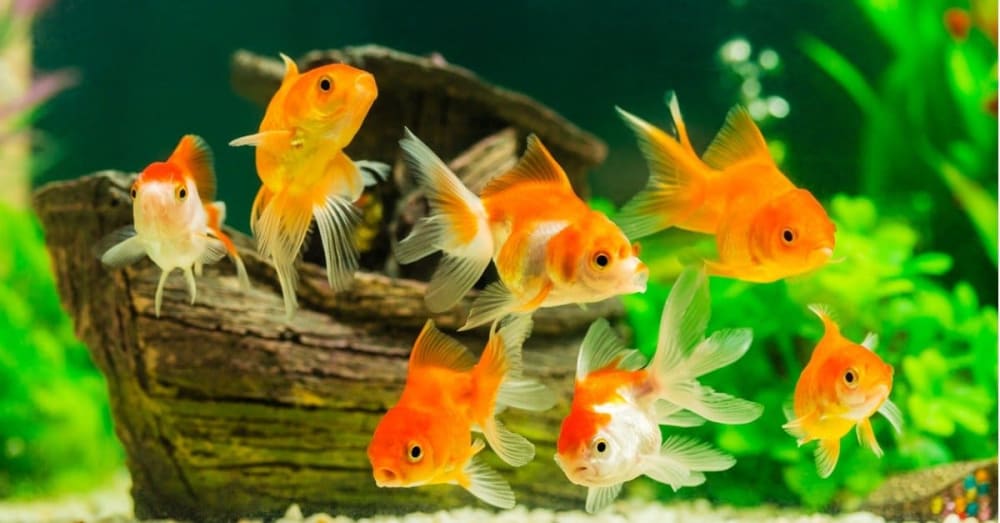
Goldfish are often considered hardy, low-maintenance pets, but they still require consistent care to stay healthy. One of the most common questions new fish owners ask is: how long can goldfish go without food? Whether you're planning a short trip, worried about a missed feeding, or simply curious about your fish’s survival limits, understanding their dietary needs is essential.
In this in-depth guide, you'll learn how long goldfish can safely go without eating, what factors affect their survival, warning signs of starvation, and practical feeding tips to keep your fish thriving.
Quick Answer: How Long Can Goldfish Survive Without Food?
Healthy adult goldfish can typically survive 10 to 14 days without food under normal conditions. However, this does not mean it is safe or healthy to intentionally withhold food for that long.
For best health:
- Ideal feeding gap: No more than 1–2 days
- Short vacation: Up to 3–4 days is usually safe
- Maximum survival window: About 10–14 days (not recommended)
Young goldfish (fry) and weakened fish can survive far less time without food.
Why Goldfish Can Survive Without Food for a While
Goldfish have a few biological advantages that allow them to endure short periods without feeding.
Slow Metabolism
Goldfish are cold-blooded animals. Their metabolism slows down significantly in cooler water, which reduces energy needs. This helps them survive temporary food shortages.
Natural Foraging Behavior
In the wild, goldfish constantly graze on:
- Algae
- Plant matter
- Tiny insects
- Microorganisms
Because of this, aquarium goldfish may find small bits of food in the tank even when you don't feed them.
Energy Storage
Like many animals, goldfish can use stored body fat and muscle tissue for energy when food is unavailable. However, prolonged fasting leads to weakness and health problems.
Factors That Affect How Long Goldfish Can Go Without Food
Not all goldfish can survive the same length of time without feeding. Several important factors influence their tolerance.
1. Age of the Goldfish
Age is one of the biggest factors.
Adult goldfish:
- Can survive 10–14 days without food
- Have fat reserves
- More resilient
Baby goldfish (fry):
- May only survive 2–3 days
- Require frequent feeding
- Very sensitive to starvation
Juveniles:
- Usually tolerate 4–7 days
- Still growing rapidly
The younger the fish, the more frequently it must eat.
2. Water Temperature
Temperature directly affects metabolism.
Warmer water (above 75°F / 24°C):
- Faster metabolism
- Burns energy quicker
- Shorter survival without food
Cooler water (65–70°F / 18–21°C):
- Slower metabolism
- Conserves energy
- Longer survival window
However, do not lower tank temperature just to reduce feeding needs — sudden changes can stress or kill your fish.
3. Overall Health
Healthy goldfish withstand fasting much better than sick or stressed fish.
Fish that may struggle without food include:
- Recently transported fish
- Fish recovering from illness
- Fish in poor water conditions
- Very thin goldfish
A strong, well-fed goldfish before a short fast is far more likely to handle it safely.
4. Tank Environment
Your aquarium setup matters more than you might think.
Goldfish may nibble on:
- Live plants
- Algae growth
- Biofilm
- Microorganisms
In a well-established tank, these natural food sources can slightly extend survival time. In a sterile tank with no plants or algae, the fish relies entirely on scheduled feeding.
5. Type of Goldfish
Different goldfish varieties have slightly different resilience.
Hardier varieties:
- Common goldfish
- Comet goldfish
- Shubunkins
These tend to be more robust and better foragers.
More delicate varieties:
- Fancy goldfish
- Orandas
- Ranchus
Fancy goldfish often have:
- Slower swimming ability
- More sensitive digestion
- Greater vulnerability to stress
They may not tolerate long fasting periods as well.
Is It Safe to Skip Feeding Sometimes?
Yes — occasional short fasting periods can actually be beneficial.
Many experienced fish keepers intentionally skip feeding one day per week. This can:
- Prevent overfeeding
- Reduce waste buildup
- Help digestion
- Lower risk of swim bladder issues
However, this should be limited to healthy adult goldfish only.
How Often Should Goldfish Normally Be Fed?
To understand safe fasting limits, it helps to know proper feeding frequency.
Adult Goldfish
- Frequency: 1–2 times daily
- Portion: What they can eat in 1–2 minutes
- Optional: One fasting day per week
Juvenile Goldfish
- Frequency: 2–3 times daily
- Small portions
- Need steady nutrition for growth
Baby Goldfish (Fry)
- Frequency: 3–5 times daily
- Require specialized food
- Cannot safely fast for long
Consistency matters more than large portions.
Signs Your Goldfish Is Hungry vs. Starving
Goldfish often act hungry even when well fed, so it's important to know the difference.
Normal Hunger Behavior
These behaviors are typical and not dangerous:
- Swimming to the glass when you approach
- Begging motions near the surface
- Active swimming at feeding time
- Searching substrate for food
Goldfish are naturally opportunistic eaters.
Warning Signs of Starvation
If fasting goes too long, you may notice:
- Noticeably thinner body
- Sunken belly
- Lethargy
- Clamped fins
- Loss of color
- Weak swimming
Severe starvation can eventually lead to organ failure and death.
What Happens If a Goldfish Goes Too Long Without Food?
Prolonged fasting causes a gradual decline.
Stage 1: Energy Use
The fish first burns stored fat.
Timeline: First few days
Stage 2: Muscle Breakdown
When fat runs low, the body begins using muscle tissue.
Effects:
- Weight loss
- Weakness
- Reduced immunity
Stage 3: Organ Stress
Extended starvation stresses vital organs.
Possible outcomes:
- Increased disease risk
- Poor recovery ability
- Eventual death
Even if a fish survives long fasting, its long-term health may suffer.
Going on Vacation: What Should You Do?
Many owners worry about feeding when traveling. Fortunately, short trips are usually manageable.
If You're Gone 1–3 Days
You can usually do nothing.
Healthy adult goldfish are fine for this duration. In fact, it's often safer than using unreliable feeding devices.
If You're Gone 4–7 Days
Better options include:
- Asking a trusted person to feed lightly
- Using a high-quality automatic feeder
- Ensuring the tank is clean beforehand
Avoid overfeeding instructions — most helpers give too much.
If You're Gone 1–2 Weeks
For longer trips, combine strategies:
- Automatic feeder
- Pre-measured food portions
- Reliable fish sitter
- Large water change before leaving
For young or fancy goldfish, supervision is strongly recommended.
Should You Use Vacation Feeding Blocks?
Vacation blocks are common in pet stores, but they have drawbacks.
Pros
- Easy to use
- Slowly dissolve
- Provide some nutrition
Cons
- Can foul water
- Unreliable feeding amounts
- Not ideal for goldfish
- May increase ammonia
Most experienced aquarists do not recommend vacation blocks for goldfish tanks.
Automatic feeders are usually safer.
Best Foods to Keep Goldfish Healthy
Proper nutrition helps fish better tolerate short fasting periods.
High-Quality Pellets
Look for:
- Goldfish-specific formulas
- Floating or sinking options
- Balanced protein and fiber
Pellets should be the staple diet.
Gel Foods
Gel foods are excellent because they:
- Are easy to digest
- Reduce swim bladder issues
- Create less waste
- Provide balanced nutrition
Vegetables
Goldfish benefit from plant matter.
Safe options include:
- Blanched peas (no skin)
- Spinach
- Zucchini
- Lettuce
Vegetables improve digestion and overall health.
Occasional Treats
Feed sparingly:
- Bloodworms
- Brine shrimp
- Daphnia
Treats should not replace staple food.
How to Prepare Your Goldfish Before a Short Fast
If you know feeding will be interrupted, preparation helps.
1. Feed Normally Before Leaving
Do not overfeed to "stock up." Goldfish cannot store large amounts of extra food safely.
2. Perform a Water Change
Clean water reduces stress and improves survival.
3. Check Equipment
Ensure:
- Filter works properly
- Air pump is running
- Heater (if used) is stable
4. Remove Excess Waste
A clean tank provides a safer environment during your absence.
Common Mistakes to Avoid
Many well-meaning owners accidentally harm their fish.
Overfeeding Before a Trip
This is one of the biggest mistakes.
Too much food can cause:
- Ammonia spikes
- Cloudy water
- Oxygen depletion
- Fish death
A slightly hungry fish is far safer than an overfed one.
Letting Untrained People Feed
Fish sitters often give far too much food.
Better approach:
- Pre-measure portions
- Label feeding days clearly
- Use pill organizers for portions
Relying Solely on Vacation Blocks
These frequently pollute water and are unreliable for goldfish.
Ignoring Water Quality
Poor water conditions shorten survival time without food.
Special Considerations for Fancy Goldfish
Fancy varieties require extra attention.
They typically have:
- Slower swimming
- More delicate digestion
- Higher sensitivity to stress
For fancy goldfish:
- Avoid fasting longer than 5–7 days
- Maintain very clean water
- Use easily digestible foods
- Monitor body condition closely
Frequently Asked Questions
Can goldfish survive a week without food?
Yes. Healthy adult goldfish can usually handle 7 days without food, though it should not happen regularly.
Will my goldfish eat algae if I don’t feed it?
Possibly. Goldfish may graze on algae and microorganisms, but this is not sufficient long-term nutrition.
Is it okay to feed goldfish every other day?
For healthy adult goldfish, feeding every other day can work in some setups, but daily feeding in small portions is generally better.
How do I know if I’m feeding too much?
Signs of overfeeding include:
- Uneaten food after 2 minutes
- Cloudy water
- Rapid algae growth
- Fish with bloated bellies
Final Thoughts
Goldfish are resilient creatures that can survive surprisingly long without food — often up to 10 to 14 days in healthy conditions. However, survival is not the same as thriving. Regular, balanced feeding is essential for maintaining strong immunity, vibrant color, and long lifespan.
For most owners, the safest rule is simple:
- Feed small amounts daily
- Avoid overfeeding
- Don’t worry about short absences
- Prepare carefully for longer trips
With proper care and attention, your goldfish can remain healthy, active, and beautiful for many years.
If you'd like, I can also create a printable feeding schedule or vacation checklist for your goldfish.