
Many people wonder whether TANF and food stamps are the same thing. The confusion is understandable — both programs help low-income families meet basic needs, and both are often discussed together. However, TANF is not food stamps. They are two separate government assistance programs with different purposes, rules, and benefits.
In this in-depth guide, you’ll learn what TANF is, what food stamps are, how they differ, who qualifies for each, and how families often use both programs together.
What Is TANF?
Temporary Assistance for Needy Families (TANF) is a federal assistance program administered by states that provides cash aid and supportive services to low-income families with children.
The program is overseen at the federal level by the Temporary Assistance for Needy Families and funded through block grants to states.
Primary Purpose of TANF
TANF was created to help families achieve self-sufficiency by:
- Providing temporary financial assistance
- Encouraging work and job preparation
- Promoting family stability
- Reducing long-term dependency on welfare
Unlike food stamps, TANF provides cash benefits, which families can use for a wide range of expenses.
What TANF Benefits Can Be Used For
TANF cash assistance may help cover:
- Rent or housing costs
- Utilities
- Clothing
- Transportation
- Childcare
- Basic household needs
Because it is cash-based, TANF offers flexibility that food stamps do not.
What Are Food Stamps?
“Food stamps” is the common name for the Supplemental Nutrition Assistance Program (SNAP).
The Supplemental Nutrition Assistance Program provides monthly benefits specifically for buying food. The program is administered by the U.S. Department of Agriculture.
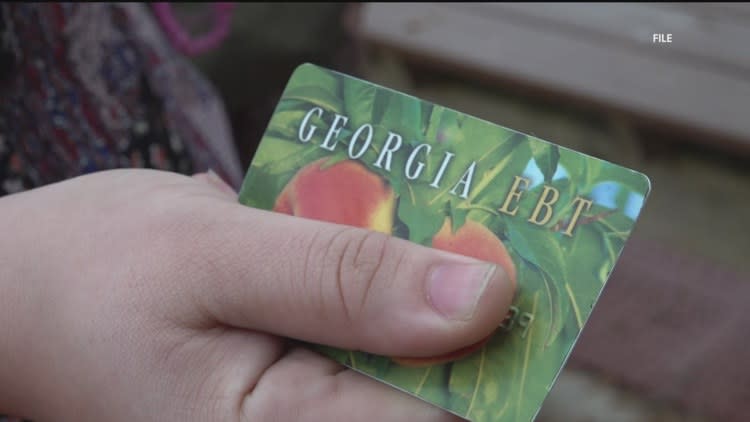
Today, SNAP benefits are issued through an Electronic Benefit Transfer (EBT) card, which works like a debit card at approved grocery stores.
What SNAP Benefits Can Be Used For
SNAP benefits are restricted to food purchases such as:
- Fruits and vegetables
- Meat, poultry, and fish
- Dairy products
- Bread and cereals
- Snack foods and non-alcoholic beverages
- Seeds and plants that produce food
What SNAP Cannot Be Used For
SNAP benefits cannot be used for:
- Hot prepared foods (in most cases)
- Alcohol or tobacco
- Vitamins and supplements
- Pet food
- Household supplies
- Toiletries
- Paper products
This restriction is one of the biggest differences between SNAP and TANF.
Quick Answer: Is TANF the Same as Food Stamps?
No — TANF is not food stamps.
Here is the simple distinction:
- TANF = Cash assistance for many basic needs
- SNAP (food stamps) = Food-only benefits
Many families qualify for both programs, but they serve different purposes.
Key Differences Between TANF and SNAP
Understanding how these programs differ can help you determine which one you may qualify for — or whether you can receive both.
1. Type of Benefit
TANF
- Provides cash assistance
- Flexible spending
- Can be used for many household needs
SNAP
- Provides food benefits only
- Restricted spending
- Must be used at approved food retailers
Bottom line: TANF is broader financial help, while SNAP is strictly for food.
2. Program Goals
Each program was designed with different policy goals.
TANF goals:
- Encourage employment
- Promote self-sufficiency
- Provide temporary support
- Reduce long-term welfare dependency
SNAP goals:
- Reduce hunger
- Improve nutrition
- Help families afford groceries
- Stabilize food access
3. Work Requirements
Work expectations differ significantly.
TANF work rules:
- Most adult recipients must work or participate in job training
- Strict time limits (usually 60 months lifetime)
- Regular reporting requirements
- State programs may require job search activities
SNAP work rules:
- Work requirements apply mainly to able-bodied adults without dependents
- Families with children often have fewer restrictions
- No lifetime limit for most households
TANF generally has stricter work participation rules.
4. Time Limits
One of the biggest differences is how long benefits can last.
TANF time limits:
- Federal lifetime limit of 60 months (5 years) in most cases
- Some states impose shorter limits
- Designed to be temporary
SNAP time limits:
- No lifetime limit for most households
- Some limits for certain adults without dependents
- Can continue as long as eligibility requirements are met
This makes SNAP a more ongoing form of support.
5. Funding Structure
The programs are funded differently.
TANF:
- Block grants to states
- States have significant flexibility
- Benefits and rules vary widely by state
SNAP:
- Federally funded entitlement program
- Benefits are more standardized nationwide
- States administer but federal rules dominate
6. Benefit Amounts
Benefit amounts vary by household size, income, and state.
Typical TANF benefits:
- Usually modest cash payments
- Often lower than many people expect
- Vary significantly by state
Typical SNAP benefits:
- Based on the Thrifty Food Plan
- Adjusted annually
- Designed to supplement food budget
In many cases, SNAP benefits may actually be higher than TANF cash aid, depending on the household.
Can You Receive TANF and Food Stamps at the Same Time?
Yes — many families receive both TANF and SNAP simultaneously.
Because the programs serve different purposes, they often work together to support low-income households.
Why Families Often Use Both
A household might use:
- TANF to help pay rent and utilities
- SNAP to buy groceries
- Medicaid for healthcare
- Childcare assistance for work support
This layered approach is common in public assistance programs.
Who Qualifies for TANF?
Eligibility varies by state, but common requirements include:
Basic TANF Eligibility Criteria
Most applicants must:
- Have low income
- Have limited resources
- Live with a minor child (in most cases)
- Be a U.S. citizen or qualified non-citizen
- Meet work participation requirements
- Cooperate with child support enforcement
States have significant flexibility in setting income limits and rules.
Income Limits for TANF
Income thresholds are typically very low, often lower than SNAP limits.
States evaluate:
- Gross income
- Net income
- Household size
- Assets (in many states)
Because TANF is more restrictive, some families qualify for SNAP but not TANF.
Who Qualifies for SNAP (Food Stamps)?
SNAP eligibility is generally broader than TANF.
Basic SNAP Eligibility
Applicants typically must:
- Meet income limits
- Have limited resources (in some cases)
- Be U.S. citizens or qualified non-citizens
- Provide Social Security numbers
- Meet work rules if applicable
SNAP Income Limits
SNAP uses federal poverty guidelines.
Most households must have:
- Gross income at or below 130% of the federal poverty level
- Net income at or below 100% of the poverty level
However, households with elderly or disabled members may have different rules.
How Benefits Are Delivered
Another key difference is how you receive the money.
TANF Payment Methods
Depending on the state, TANF may be delivered through:
- Direct deposit
- State-issued debit card
- Electronic cash assistance card
- Check (less common today)
Recipients can withdraw cash or use it for purchases.
SNAP Delivery Method
SNAP is always delivered through:
- EBT card
- Monthly electronic deposit
- Use only at approved retailers
You cannot withdraw SNAP benefits as cash.
Common Myths About TANF and Food Stamps
There are many misunderstandings about these programs.
Myth 1: TANF and SNAP Are the Same
Reality: They are separate programs with different purposes and rules.
Myth 2: TANF Can Only Be Used for Food
Reality: TANF is cash assistance that can be used for many household needs.
Myth 3: Food Stamps Provide Cash
Reality: SNAP benefits can only be used to buy eligible food items.
Myth 4: Everyone on SNAP Gets TANF
Reality: Many SNAP households do not qualify for TANF due to stricter rules.
Myth 5: Benefits Last Forever
Reality:
- TANF has strict lifetime limits
- SNAP requires ongoing eligibility reviews
- Both programs require reporting changes
How to Apply for TANF and SNAP
Most states allow you to apply for both programs at the same time.
Steps to Apply
- Visit your state’s human services website
- Create an online account
- Complete the application
- Submit required documents
- Attend an interview (often required)
- Wait for eligibility decision
Many states use a combined application, making the process easier.
Documents You May Need
When applying, be prepared to provide:
- Proof of identity
- Social Security numbers
- Proof of income
- Rent or mortgage statement
- Utility bills
- Bank statements
- Proof of household members
- Childcare expenses
Having documents ready can speed up approval.
Why TANF Caseloads Are Much Smaller Than SNAP
You may notice that far fewer families receive TANF compared to SNAP.
Reasons Include
- Stricter eligibility rules
- Work participation requirements
- Lifetime time limits
- Lower income thresholds
- State policy variations
SNAP is designed to reach more households, while TANF is more narrowly targeted.
The Bottom Line
TANF is not food stamps.
While both programs help low-income families, they serve different roles:
- TANF provides temporary cash assistance for broad household needs.
- SNAP provides food-only benefits to help families afford groceries.
Many families qualify for both, and together they form part of the U.S. safety net administered in part by the U.S. Department of Health and Human Services.
Understanding the distinction can help you:
- Apply for the right benefits
- Maximize available support
- Plan your household budget more effectively
If you believe you may qualify, the best next step is to check your state’s eligibility rules and submit an application.
Frequently Asked Questions
Is TANF considered welfare?
Yes. TANF is commonly referred to as “cash welfare” because it provides direct financial assistance to eligible families.
Can TANF be used at grocery stores?
Yes — but only because it is cash. Unlike SNAP, TANF funds are not restricted to food purchases.
Do TANF recipients automatically get SNAP?
No. You must apply and qualify for SNAP separately, although many states use a joint application.
Which program provides more money?
It depends on the household and state. In many cases:
- TANF cash benefits are relatively small
- SNAP food benefits may be larger
Can single adults get TANF?
Usually no, unless they are pregnant or caring for a dependent child. SNAP, however, is available to many single adults who meet the rules.