
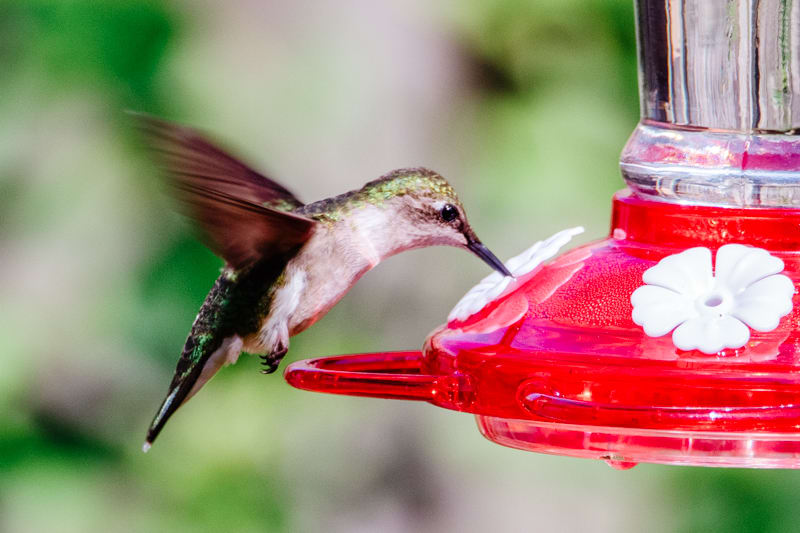
Hummingbirds are among the most fascinating and energetic birds in the world. With wings that can beat more than 50 times per second and a metabolism that burns fuel at a remarkable rate, these tiny creatures rely heavily on sugar-rich nectar for survival. If you want to attract them to your garden, balcony, or backyard, learning how to make hummingbird food is one of the simplest and most rewarding steps you can take.
This in-depth guide will walk you through everything you need to know about making hummingbird food at home — from the correct sugar-to-water ratio to safety tips, common mistakes, feeder care, and expert insights based on guidelines from trusted organizations like the National Audubon Society and the Smithsonian Migratory Bird Center.
Whether you’re a beginner or an experienced bird enthusiast, this guide will help you confidently prepare safe and healthy nectar for hummingbirds.
Why Hummingbirds Need Sugar Water
Hummingbirds primarily feed on flower nectar, which provides them with the simple sugars they need to fuel their high metabolism. In addition to nectar, they also consume small insects and spiders for protein, but nectar is their main energy source.
In nature, nectar typically contains around 20–25% sugar. Homemade hummingbird food mimics this natural nectar concentration to provide the energy hummingbirds require.
Making your own hummingbird food ensures:
- No harmful additives
- No artificial dyes
- Proper sugar concentration
- Lower cost compared to store-bought options
- Fresher, safer nectar
The Basic Hummingbird Food Recipe
Making hummingbird food is incredibly simple. It requires only two ingredients.
Ingredients
- 1 cup white granulated sugar
- 4 cups water
Sugar-to-Water Ratio
The correct ratio is 1 part sugar to 4 parts water.
This 1:4 ratio closely resembles the natural sugar concentration found in many flowers that hummingbirds visit.
Step-by-Step Instructions
- Measure 1 cup of white granulated sugar.
- Measure 4 cups of water.
- Bring the water to a boil.
- Remove from heat.
- Stir in the sugar until completely dissolved.
- Allow the mixture to cool to room temperature.
- Pour into a clean hummingbird feeder.
- Store any extra nectar in the refrigerator for up to one week.
That’s it. No food coloring, no honey, no additives.
Do You Need to Boil the Water?
Boiling the water serves two purposes:
- It helps dissolve the sugar more easily.
- It reduces impurities and microorganisms that may cause fermentation.
Some bird experts note that if you are using safe drinking water and thoroughly cleaning feeders, boiling is not strictly required. However, it is highly recommended to ensure maximum safety.
Organizations like the National Wildlife Federation recommend boiling to help prevent mold growth and contamination.
Why You Should Never Use Red Food Coloring
Many commercial nectar mixes contain red dye. However, red dye is unnecessary and potentially harmful.
Hummingbirds are naturally attracted to red because many nectar-rich flowers are red. Most hummingbird feeders already have red components built into their design.
Adding red dye:
- Provides no nutritional benefit
- May expose birds to unnecessary chemicals
- Can potentially harm their kidneys and liver
Stick to plain sugar and water. The feeder’s red color is enough to attract them.
What Type of Sugar Is Safe?
Only use plain white granulated sugar made from cane or beet sugar.
Safe Sugar
- White granulated table sugar
Unsafe Alternatives
Do not use:
- Honey (promotes fungal growth harmful to hummingbirds)
- Brown sugar (contains molasses and minerals)
- Powdered sugar (may contain anti-caking agents)
- Artificial sweeteners (no nutritional value)
- Agave nectar
- Maple syrup
- Raw sugar
These alternatives can cause serious health problems for hummingbirds.
Adjusting the Recipe for Different Seasons
The 1:4 ratio works year-round in most climates. However, in colder regions, some birders slightly increase sugar concentration during migration or colder weather.
Standard Ratio (Most Recommended)
1:4 (1 cup sugar to 4 cups water)
Slightly Stronger Ratio (Cold Weather or Migration)
1:3 (1 cup sugar to 3 cups water)
This provides extra energy but should only be used occasionally. Extremely concentrated solutions can stress a hummingbird’s kidneys.
How Often Should You Change Hummingbird Food?
Freshness is critical.
In Hot Weather (Above 85°F / 29°C)
Change nectar every 1–2 days.
In Moderate Weather
Change every 2–3 days.
In Cool Weather
Change every 3–5 days.
If the nectar appears cloudy, smells sour, or shows mold, discard it immediately and clean the feeder thoroughly.
How to Clean a Hummingbird Feeder Properly
Dirty feeders can grow mold and bacteria that harm hummingbirds.
Cleaning Steps
- Empty remaining nectar.
- Rinse feeder with warm water.
- Scrub thoroughly with a bottle brush.
- Use a solution of one part white vinegar to four parts water if needed.
- Rinse extremely well.
- Allow to air dry completely before refilling.
Avoid soap unless absolutely necessary, and if used, rinse very thoroughly to remove residue.
According to bird conservation groups like the Cornell Lab of Ornithology, consistent feeder hygiene is one of the most important aspects of responsible bird feeding.
Where to Place Your Hummingbird Feeder
Proper placement increases visitation.
Ideal Placement Tips
- Hang in partial shade to slow fermentation.
- Place near flowering plants.
- Keep it visible but sheltered from strong winds.
- Position at least 10–15 feet from windows to reduce collisions.
- Hang 4–6 feet above ground.
If you have multiple feeders, space them apart to reduce territorial aggression.
How Long Does Homemade Nectar Last?
In the Refrigerator
Up to one week in a sealed container.
In the Feeder Outdoors
Typically 1–3 days depending on temperature.
Always check for:
- Cloudiness
- Foam
- Mold
- Sour smell
If in doubt, throw it out.
When Should You Start and Stop Feeding Hummingbirds?
Timing depends on your location.
In North America, many hummingbirds migrate. The most well-known migratory species is the Ruby-throated Hummingbird, which travels thousands of miles between Central America and North America.
General Guidelines
- Put feeders out 1–2 weeks before the first expected arrival.
- Leave feeders up at least 2 weeks after you see the last hummingbird.
Contrary to myth, leaving feeders up does not prevent migration. Migration is triggered by daylight changes, not feeder availability.
Common Mistakes to Avoid
1. Using the Wrong Sugar Ratio
Too much sugar can harm birds; too little may not provide adequate energy.
2. Letting Nectar Ferment
Fermented nectar can cause fungal infections.
3. Not Cleaning Feeders Often Enough
Mold buildup can be deadly.
4. Adding Red Dye
Completely unnecessary and potentially harmful.
5. Using Honey
Encourages harmful fungal growth.
Avoiding these mistakes ensures safe feeding.
Do Hummingbirds Become Dependent on Feeders?
No. Feeders supplement natural food sources but do not replace them.
Hummingbirds continue to forage for:
- Flower nectar
- Small insects
- Tree sap
- Spiders
Even in areas with feeders, they remain independent and resilient.
Benefits of Making Your Own Hummingbird Food
Cost-Effective
Store-bought nectar is significantly more expensive.
Healthier
No preservatives or artificial ingredients.
Customizable
You can adjust batch sizes easily.
Environmentally Friendly
Less plastic waste from commercial nectar bottles.
How Much Nectar Should You Make?
Start small if you’re new to feeding hummingbirds.
For One Feeder
- 1/2 cup sugar
- 2 cups water
Increase quantity only if feeders are emptying quickly before the next cleaning.
Can You Make Hummingbird Food Without Boiling?
Yes, technically.
If you use:
- Very hot tap water
- Safe municipal drinking water
- Clean equipment
However, boiling is still best practice to minimize contamination risk.
Signs Hummingbirds Like Your Feeder
- Frequent visits
- Territorial chasing behavior
- Multiple daily feedings
- Perching nearby
If birds aren’t visiting, try:
- Moving feeder location
- Adding flowering plants
- Cleaning feeder thoroughly
- Checking nectar freshness
Planting Flowers Alongside Feeders
For a natural approach, combine feeders with nectar-rich plants such as:
- Salvia
- Bee balm
- Trumpet vine
- Fuchsia
- Columbine
This creates a balanced habitat and reduces reliance on feeders alone.
Is Homemade Hummingbird Food Safe?
Yes — when made correctly.
Research-backed guidelines from organizations such as the American Bird Conservancy confirm that properly mixed sugar water is safe and beneficial when maintained hygienically.
The key safety principles are:
- Correct ratio
- No additives
- Frequent cleaning
- Regular nectar replacement
Frequently Asked Questions
Can hummingbirds drink cold nectar?
Yes, but extremely cold nectar may be less appealing. Room-temperature nectar is ideal.
Can I freeze hummingbird food?
You can freeze extra nectar in small portions, but fresh preparation is best.
What if ants get into the feeder?
Use ant moats (small water-filled barriers) above feeders.
Do hummingbirds prefer certain feeders?
They prefer feeders with:
- Red accents
- Multiple feeding ports
- Easy cleaning design
Glass feeders are often easier to sanitize thoroughly.
Final Thoughts
Making hummingbird food is simple, affordable, and deeply rewarding. By following the proper 1:4 sugar-to-water ratio, avoiding additives, and maintaining strict cleanliness, you can safely support these remarkable birds throughout their active seasons.
Homemade nectar mimics the natural sweetness of flowers while giving hummingbirds a reliable energy source during migration, nesting, and daily feeding.
With consistent care, your yard can become a vibrant haven filled with the whirring wings and dazzling colors of hummingbirds. And all it takes is sugar, water, and a commitment to keeping things clean and fresh.
If you’re ready to start, measure your sugar, boil your water, and welcome nature’s tiniest aerial acrobats to your space.