
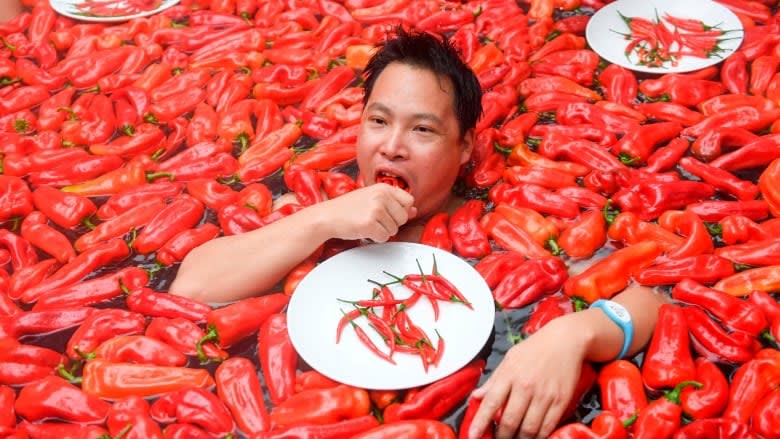
Spicy food is one of the most fascinating and polarizing aspects of global cuisine. Some people avoid it entirely, while others actively seek out the hottest dishes they can find. From the fiery curries of South Asia to the chili-laden stews of Latin America, spice plays a powerful role in culinary traditions around the world. But why do people like spicy food when it literally causes a burning sensation?
The answer lies at the intersection of biology, psychology, culture, and even evolution. Spicy food is not just about taste—it’s about sensation, thrill, identity, and sometimes even health. In this in-depth exploration, we’ll unpack the many reasons people are drawn to heat on their plates.
What Makes Food Spicy?
Before understanding why people like spicy food, it helps to understand what makes it spicy in the first place.
The “heat” in spicy food typically comes from a compound called capsaicin, found in chili peppers. Capsaicin binds to receptors in the mouth known as TRPV1 receptors. These receptors normally detect heat and pain. When capsaicin activates them, your brain interprets the sensation as burning—even though there is no actual physical heat involved.
This is why eating spicy food can cause:
- A burning sensation in the mouth
- Sweating
- Increased heart rate
- Watery eyes
- Runny nose
In other words, your body reacts as if it’s experiencing mild pain. Yet millions of people around the world crave that sensation. Why?
The Thrill of Controlled Risk
One of the most compelling explanations for why people enjoy spicy food is psychological: it provides a safe thrill.
Eating spicy food triggers the body’s stress response. Your heart rate increases, you sweat, and your body releases adrenaline. But unlike real danger, you know you are safe. This creates what psychologists sometimes refer to as “benign masochism”—the enjoyment of experiences that feel dangerous but are actually harmless.
Examples of benign masochism include:
- Riding roller coasters
- Watching horror movies
- Eating extremely spicy food
The appeal lies in experiencing discomfort in a controlled environment. The brain registers the sensation as intense, but your rational mind knows there’s no real threat. That contrast can make the experience exciting and even pleasurable.
The Endorphin Rush
Another biological reason people like spicy food is the endorphin release that follows.
When capsaicin stimulates pain receptors, your brain responds by releasing endorphins. Endorphins are the body’s natural painkillers and are also associated with pleasure and well-being. They are the same chemicals released during exercise, laughter, and even falling in love.
This means that after the initial burn, many people experience:
- A mild sense of euphoria
- A feeling of accomplishment
- A pleasurable “spice high”
For some, this reward becomes addictive. The more they eat spicy food, the more they associate the burn with the pleasurable aftermath.
Cultural Conditioning and Early Exposure
Spice tolerance is not universal—it’s largely shaped by culture and early exposure.
In countries like India, Mexico, and Thailand, spicy food is deeply embedded in traditional cuisine. Children often grow up eating mildly spiced dishes, gradually building tolerance over time.
In contrast, cultures with traditionally milder cuisines may not emphasize spice in the same way. As a result, individuals from these regions may find spicy food overwhelming or unpleasant.
Taste preferences are shaped early in life. When people grow up associating spice with family meals, celebrations, and comfort foods, they develop positive emotional connections to it. What might feel painful to one person feels nostalgic and delicious to another.
Social Identity and Status
Spicy food can also become a marker of identity and pride.
In many communities, the ability to handle spicy food is seen as a badge of honor. People may boast about eating the hottest chilies or surviving intense spice challenges. Restaurants even hold contests centered around extremely spicy dishes.
This social aspect reinforces the enjoyment of spice. It becomes more than just flavor—it becomes part of:
- Cultural pride
- Personal toughness
- Group belonging
Being able to tolerate spicy food can signal resilience or adventurousness. In social settings, sharing a spicy meal can create bonding moments and shared experiences.
Adaptation and Increasing Tolerance
Interestingly, people can train themselves to like spicy food.
Repeated exposure to capsaicin reduces sensitivity over time. The pain receptors become less reactive, meaning the same level of spice feels milder with experience. This phenomenon is similar to building tolerance to caffeine.
As tolerance increases:
- The burn becomes more manageable
- Subtle flavors become more noticeable
- People may seek higher levels of heat
This progression can turn spice into a hobby of sorts. Some enthusiasts actively pursue hotter and hotter peppers, exploring the upper limits of their tolerance.
Flavor Enhancement and Complexity
Spice isn’t just about heat—it enhances flavor.
Chili peppers add depth and complexity to dishes. They can:
- Amplify savory flavors
- Balance sweetness
- Contrast richness
- Add aromatic notes
For example, in Thai cuisine, chili heat often works in harmony with lime, fish sauce, and herbs. In Mexican dishes, chilies provide smokiness and earthiness alongside heat.
When used skillfully, spice doesn’t overpower food—it elevates it. Many people enjoy the layered experience that spicy ingredients create, rather than just the burning sensation.
Climate and Evolutionary Theories
There are intriguing evolutionary theories about why spicy food became popular in certain regions.
One theory suggests that spicy food developed in hotter climates because chili peppers have antimicrobial properties. Before refrigeration, spices may have helped preserve food or reduce the risk of foodborne illness.
Research has shown that traditional cuisines in warmer regions often use more spices than those in colder climates. Over time, this practical use may have evolved into cultural preference.
Although modern refrigeration has made preservation less of an issue, the taste for spice remains deeply rooted in culinary traditions.
The Role of Personality
Not everyone enjoys spicy food equally. Personality may play a role.
Studies suggest that people who enjoy intense sensory experiences—sometimes described as “sensation seekers”—are more likely to enjoy spicy food. These individuals may also enjoy:
- Extreme sports
- Loud music
- Strong flavors
For them, the intensity of spice is part of the appeal. It stimulates the senses in a way that feels energizing rather than overwhelming.
Conversely, individuals who are more sensitive to pain or less inclined toward risk may find spicy food unpleasant.
Emotional and Psychological Comfort
For some, spicy food provides emotional comfort.
The physical intensity can act as a distraction from stress or negative emotions. The strong sensory experience demands attention, pulling focus away from worries.
Additionally, the warmth associated with spicy food can feel comforting, especially in dishes like curries or stews. The sweating response may even create a cooling effect in hot climates, contributing to a paradoxical sense of relief.
Global Icons of Spicy Cuisine
Spicy food has shaped some of the world’s most beloved dishes and culinary identities.
In South Korea, kimchi is a staple fermented dish known for its chili kick. In China, Sichuan cuisine is famous for its numbing and spicy flavor profile, often achieved with chili peppers and Sichuan peppercorns. In Jamaica, Scotch bonnet peppers are central to jerk seasoning.
These cuisines demonstrate that spice is not a niche preference—it’s a defining feature of entire food cultures.
The Science of “Pain That Feels Good”
The paradox of enjoying spicy food comes down to how the brain interprets signals.
Capsaicin activates pain receptors, but because the brain knows there is no real damage, it reframes the sensation. Over time, the brain begins to associate the burn with positive outcomes—flavor, endorphins, social bonding.
This learned association can transform discomfort into pleasure.
The same neurological pathways involved in experiencing pain overlap with those involved in experiencing pleasure. This overlap explains why the line between the two can blur in certain contexts.
Health Perceptions and Benefits
Some people are drawn to spicy food because of its perceived health benefits.
Research has suggested that capsaicin may:
- Boost metabolism
- Support cardiovascular health
- Have anti-inflammatory properties
- Aid digestion
While spicy food is not a magic health solution, moderate consumption can be part of a balanced diet. The belief in health benefits can further reinforce positive attitudes toward spice.
The Competitive Element
In recent years, spice challenges have gained popularity. From viral hot wing challenges to eating the world’s hottest peppers, competitive spice consumption has become entertainment.
These events combine:
- Social pressure
- Bragging rights
- Personal challenge
The competitive angle taps into the same psychological drivers that make people push physical limits in sports. It transforms eating into an achievement.
Why Some People Don’t Like Spicy Food
It’s important to note that not everyone enjoys spicy food—and that’s completely normal.
Genetic differences can affect how intensely people perceive capsaicin. Some individuals have more sensitive pain receptors, making the burn stronger and less tolerable.
Negative early experiences with spice can also shape preferences. If someone associates spicy food with discomfort or embarrassment, they may avoid it.
Taste is deeply personal, shaped by biology, experience, and culture.
The Journey from Aversion to Appreciation
Many people who love spicy food today didn’t always feel that way.
Gradual exposure can change perception. Starting with mild heat and slowly increasing intensity allows the brain and body to adapt. Over time, what once felt overwhelming may become enjoyable.
This transformation highlights how flexible human taste preferences can be. Liking spicy food is often less about innate ability and more about experience and mindset.
Spice as a Shared Human Experience
Ultimately, spicy food is about more than chemistry. It’s about shared meals, traditions, and experiences.
Across continents, chili peppers have traveled and transformed cuisines. They’ve become symbols of heritage and creativity. They challenge our senses and reward our persistence.
The love of spicy food reflects a uniquely human trait: the desire to explore sensations beyond basic survival needs. We don’t just eat to live—we seek excitement, flavor, and connection.
Conclusion
So, why do people like spicy food?
Because it thrills them without harming them.
Because it triggers endorphins and creates pleasure.
Because culture and childhood shape taste.
Because it enhances flavor and adds complexity.
Because it connects them to identity and community.
Because the brain can turn pain into enjoyment.
Spicy food sits at the crossroads of biology and culture, science and sensation. What begins as a burning signal in the mouth becomes an intricate dance between nerves, brain chemistry, memory, and meaning.
And for millions around the world, that fiery dance is simply irresistible.