
In the world of real estate, terminology plays a huge role in helping buyers, sellers, and agents understand where a property stands in the selling process. One of the most commonly used terms during a home sale is “pending.” While it seems straightforward on the surface, many people are confused about what pending truly means, how it differs from similar terms, and what implications it has for both buyers and sellers.
This in-depth guide explains everything you need to know about the meaning of pending in real estate, the different types of pending statuses, how long a pending status usually lasts, whether you can still make an offer, and what factors can cause a pending sale to fall through. With a clear understanding of the pending phase, buyers can navigate opportunities more confidently, and sellers can better prepare for the final stages of their property transaction.
Understanding What Pending Means in Real Estate
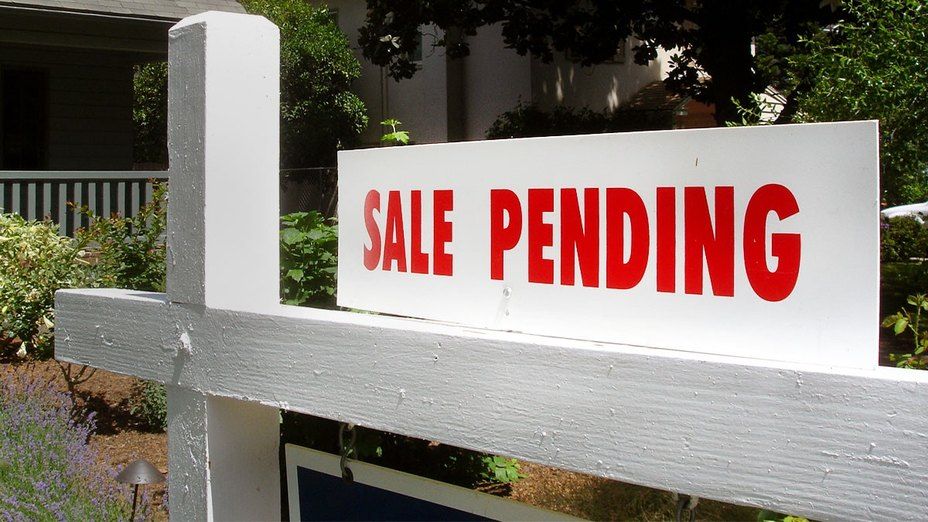
In real estate, pending means that a seller has accepted a buyer’s offer, and both parties have signed a purchase agreement, but the sale has not yet closed. At this stage, the property is essentially spoken for, and active marketing is usually stopped.
The home is now in the final steps of the transaction, which may include activities like:
- Completing inspections
- Finalizing financing
- Conducting appraisal
- Clearing the title
- Preparing closing documents
Pending vs. Contingent: Understanding the Difference
Many buyers confuse pending with contingent, but they represent different stages of the home-selling process.
Contingent
A property is contingent when the seller has accepted an offer, but certain conditions must be met before the sale can proceed. These conditions may include:
- Home inspection
- Financing contingency
- Appraisal contingency
- Home sale contingency
Pending
A property is pending when all contingencies have been removed or satisfied. This means the sale is in its final stretch. While there is still a small chance the deal could fall apart, pending properties are generally very close to closing.
What Causes a Home to Move Into Pending Status?
Several steps lead up to a home reaching pending status. After a seller accepts an offer, the following milestones typically occur:
Completion of Inspections
The buyer usually orders various inspections, such as:
- General home inspection
- Pest or termite inspection
- Roof or structural inspection
- Sewer line or water test
Appraisal Approval
If the buyer is using financing, the lender requires an appraisal to ensure the home’s value matches the loan amount. The deal often goes pending once the appraisal is confirmed.
Financing Finalization
After appraisal, lenders work through underwriting. Once the buyer’s loan gets final approval, the sale is one step closer to closing.
Title Search and Clear Title
A title company confirms the home has no legal issues, liens, or claims. When the title is cleared, this condition is satisfied.
Once all these elements are complete, agents mark the listing as pending.
Types of Pending Statuses
Real estate platforms sometimes use different categories to clarify the progress of a pending sale. While terminology varies by region, the most common types include:
Pending – Continue to Show (CTS)
This means the sale is technically pending, but the seller is still allowing showings. Sometimes sellers do this when:
- They want backup offers
- A buyer’s financing is uncertain
- There is a long closing period
Pending – Taking Backups
In this scenario, the seller accepts backup offers but doesn’t show the property. Backup offers are only activated if the first contract fails.
Pending – No Showings
This is the most common form of pending. It means the property is off the market, and no additional offers will be considered.
Pending – Short Sale
Short-sale transactions can take much longer because lenders must approve the offer. The home may remain pending for months.
What Happens During the Pending Phase?
Understanding what happens behind the scenes can help both buyers and sellers stay informed.
Final Walkthrough
Before closing, the buyer inspects the property one last time to ensure:
- Agreed-upon repairs have been completed
- The home is in the same condition it was when the offer was accepted
Escrow Activities
The escrow agent or attorney manages:
- Transfer of funds
- Documentation
- Final approvals
Closing Day Preparation
The lender generates closing disclosures, and both sides prepare to sign the final paperwork.
Can You Make an Offer on a Pending House?
This is one of the most common questions prospective buyers ask.
Short Answer: Yes, but it’s unlikely to succeed.
Most pending properties will successfully close. While you can technically submit a backup offer, your chance depends on:
- Whether the seller is accepting backups
- How strong the current buyer’s financing is
- Whether a major issue appears during final steps
How Often Do Pending Sales Fall Through?
While pending sales usually close successfully, they do fall through sometimes. Various studies estimate that 2% to 5% of pending home sales fail.
Common Reasons a Pending Sale Falls Through
Financing Problems
Buyers may lose loan approval due to:
- Credit changes
- Job loss
- Debt increase
- Appraisal issues
Appraisal Below Offer Price
If the appraisal comes in low, buyers may struggle to secure full financing unless they cover the difference.
Inspection Issues
Major repairs such as foundation problems, roof damage, or mold might cause buyers to walk away.
Title Problems
If liens, disputes, or legal claims appear during the title search, the sale may be delayed or canceled.
Buyer’s Remorse
Some buyers back out simply because they second-guess their decision, particularly during competitive markets.
How Long Does a Home Stay in Pending Status?
The duration of the pending phase varies depending on:
- Local market conditions
- Whether the buyer is paying cash
- The complexity of the transaction
- Appraisal and inspection timelines
Typical time frames:
- Standard sale: 30 to 60 days
- Cash sale: As little as 7 to 14 days
- Short sale: 90+ days
- Complicated transactions: Several months
What Should Sellers Do During Pending Status?
While the pending phase can feel like a waiting period, sellers still have responsibilities.
Maintain the Property
Ensure the property remains in the same condition or better than when the contract was signed.
Stay Accessible for Repairs
If the buyer negotiates repairs after inspection, sellers must coordinate quickly.
Avoid Major Changes
Sellers should avoid:
- Removing fixtures included in the sale
- Vacating utilities
- Damaging the property during move-out
Prepare for Closing
Gather necessary documents such as:
- Identification
- Mortgage payoff information
- HOA documents
- Repair receipts
What Should Buyers Do During Pending Status?
Buyers also have important tasks while the property is pending.
Avoid Major Financial Decisions
Buyers should not:
- Take out new loans
- Make expensive purchases
- Change jobs
- Miss bill payments
Complete All Loan Requirements
Lenders often require:
- Updated bank statements
- Tax documents
- Verification of employment
Schedule and Attend the Final Walkthrough
This ensures the home is ready for transfer.
Can Pending Homes Return to Active Status?
Yes, a pending home can go back to active status if the deal collapses. Common reasons include:
- Buyer financing failure
- Inspection problems
- Disagreements over repairs
- Title issues
- Buyer withdrawal
Tips for Buyers Interested in a Pending Property
If you have your eye on a pending house, here’s how you can position yourself:
Submit a Backup Offer
Some sellers accept backup offers as insurance.
Stay in Contact With Your Agent
If the deal collapses, you can act quickly.
Look for Signs of Buyer Struggle
Your agent can check if:
- Inspection negotiations are stalling
- Financing delays are occurring
- The home reappears as “continue to show”
Final Thoughts: What Pending Really Means for Buyers and Sellers
Pending is one of the final stages in the real estate transaction process. It signals that the seller has accepted an offer, and all or most conditions have been met, moving the sale toward closing. While pending doesn’t guarantee the deal will close, the majority of pending transactions are successfully completed.
For buyers, it means opportunities are limited but not impossible. Backup offers can be a useful strategy. For sellers, pending status is a time to cooperate with final requirements and prepare for closing day.