
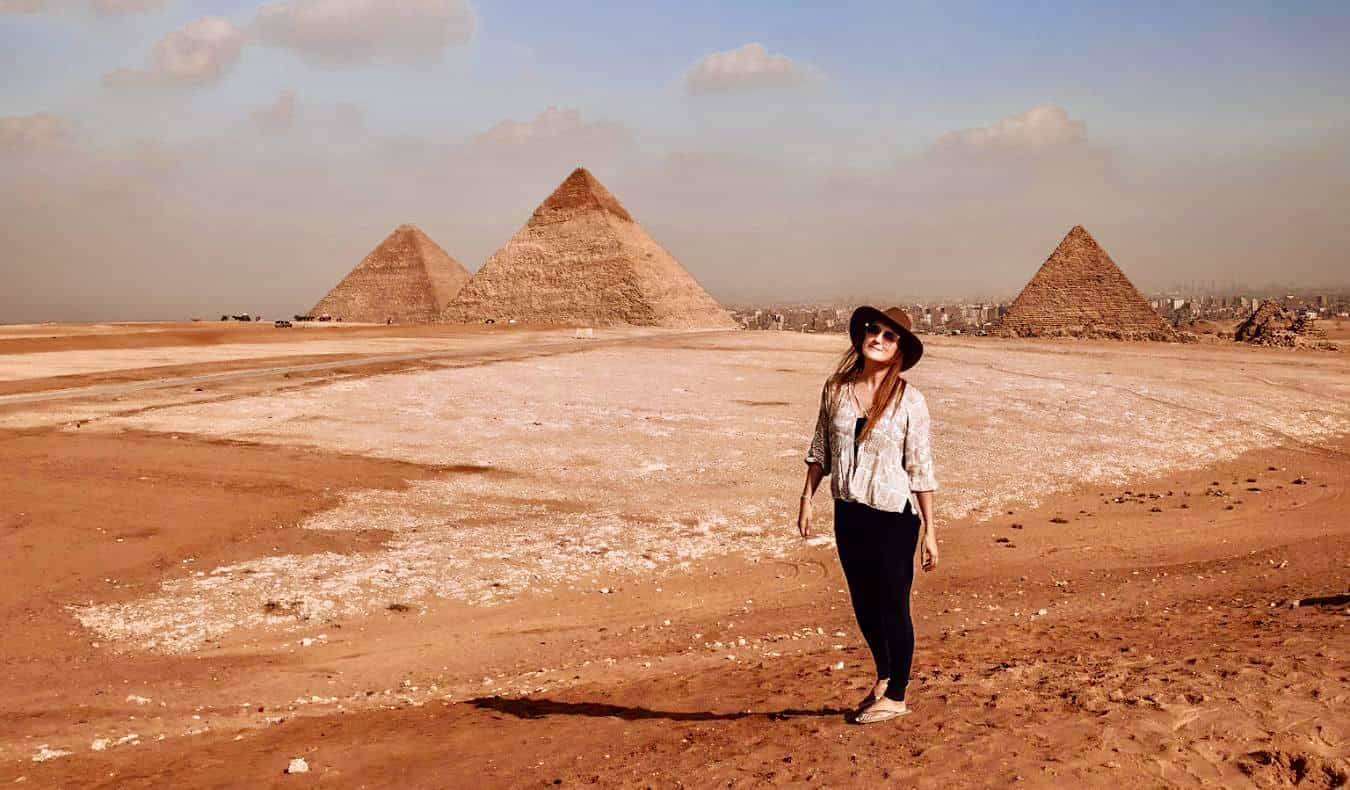
Egypt is one of the world’s most captivating destinations, a place where ancient wonders meet modern culture, and where the Nile, the pyramids, and vibrant bazaars draw millions of tourists each year. If you’re considering a trip, one of the first questions you might ask is: Is it safe to travel to Egypt?
The short answer is yes—Egypt is generally safe for tourists. However, just like traveling to any country, it’s important to stay informed, understand local conditions, and follow practical safety guidelines. This in-depth guide explores everything you need to know about safety in Egypt, including regions to visit, precautions to take, cultural considerations, transportation safety, and what real travelers experience.
Understanding Overall Safety in Egypt
Crime levels in Egypt’s major tourist areas are relatively low, and the government prioritizes tourism as one of the country’s main economic drivers. This means police presence is strong, especially around historical sites, airports, hotels, and major attractions.
Petty crime such as pickpocketing does exist, but violent crime involving tourists is rare. Most visitors enjoy trouble-free trips as long as they take basic safety precautions.
Egypt’s safety issues typically relate more to local scams, road conditions, and regional instability in remote areas, rather than direct threats to tourists.
Tourist Destinations and Their Safety Levels
Some areas in Egypt are extremely popular among tourists and are considered safe, well-patrolled, and designed to support millions of visitors.
Cairo
Cairo is a bustling metropolis, home to the Egyptian Museum and the Pyramids of Giza. Safety is generally good in tourist zones, though heavy traffic and large crowds require awareness. Street scams and aggressive vendors can be common, but these are more inconveniences than dangers.
Luxor and Aswan
Considered two of the safest destinations in Egypt, these cities host iconic attractions like the Valley of the Kings, Karnak Temple, and Philae Temple. Tourism infrastructure here is excellent, and visits typically feel calm and secure.
Hurghada and Sharm El Sheikh
The Red Sea resort towns are among Egypt’s safest places for international tourists. They rely heavily on tourism and maintain strict security measures. These destinations are best for beach lovers, divers, and families seeking an all-inclusive experience.
Alexandria
A relaxed coastal city known for its Mediterranean vibe. Safety is generally good, and tourist sites are well protected. Pickpocketing in crowded areas is the most common issue.
Western Desert and Sinai (Outside Resort Areas)
Some remote regions of Sinai and the Western Desert are restricted or discouraged for tourists due to security concerns. If you plan to visit these off-the-beaten-path areas, you should do so only with licensed guides and approved tour operators.
Common Tourist Scams in Egypt
Egypt is not dangerous, but like many popular destinations, there are common scams that travelers may encounter. Being aware of them helps you avoid unnecessary stress.
Unofficial Guides
People may approach you near attractions offering tours or information. Always book through official channels.
Overpriced Taxi Rides
Some drivers may refuse to use a meter. Using ride-hailing apps like Uber or Careem can help you avoid overcharging.
Fake “Free Gifts”
Vendors may hand you an item and tell you it’s free, then demand payment once you accept it.
Camel Ride and Carriage Scams
At the pyramids and other attractions, prices may be inflated. Always agree clearly on the price before starting any ride or tour.
Transportation Safety in Egypt
Getting around Egypt is part of the adventure, but transportation safety varies.
Taxis and Ride-Hailing
Ride-hailing services are the most reliable option in big cities. Traditional taxis are safe but require negotiation.
Trains
Egypt’s train system is widely used and generally safe, especially for journeys between Cairo, Luxor, and Aswan. Travelers should use first-class for comfort.
Domestic Flights
Egypt has a solid domestic flight network, and airlines operate under standard safety regulations.
Roads
Driving yourself is not recommended. Traffic in cities is chaotic, and road conditions can be unpredictable in rural areas. Hiring a private driver is common and safer.
Cultural and Social Safety Considerations
Egypt is a majority-Muslim country with conservative cultural norms. Understanding local customs enhances both safety and overall travel experience.
Clothing Expectations
While tourists are not required to follow strict dress codes, modest clothing is recommended, especially outside resort areas. Women may feel more comfortable with shoulders and knees covered when visiting mosques or traditional neighborhoods.
Gender-Related Safety
Egypt is safe for female travelers, but occasional harassment can happen. Choosing reputable tours, avoiding isolated areas at night, and dressing modestly reduce risks.
Alcohol
Alcohol is legal in Egypt but regulated. Drinking in public is not allowed. Stick to licensed bars, restaurants, and hotels.
Photography
Avoid photographing government buildings, military checkpoints, or personnel. These restrictions are taken seriously.
Health and Environmental Safety
Water and Food
Tap water is not recommended for drinking. Stick to bottled water, widely available at low prices. Street food is delicious but choose vendors with high turnover to ensure freshness.
Heat
Egypt’s weather can be extremely hot, especially between May and September. Staying hydrated and avoiding midday sun is essential.
Medical Facilities
Cities like Cairo, Hurghada, and Sharm El Sheikh have good hospitals and clinics, but remote areas may lack medical services.
Political and Regional Stability
Egypt maintains a generally stable environment, especially in tourist zones. You may encounter heightened security at airports, malls, and historical sites, which is standard and should not cause alarm. Travel advisories from your home country can help you stay informed before and during your trip.
Tips for Staying Safe While Traveling in Egypt
Here are practical suggestions to keep your trip safe and enjoyable:
1. Stick to Tourist-Friendly Regions
Cairo, Luxor, Aswan, Alexandria, Hurghada, and Sharm El Sheikh are the most secure areas with robust tourism infrastructure.
2. Use Licensed Guides
Official tour guides are reliable, knowledgeable, and help you avoid scams.
3. Be Firm With Vendors
Egyptian markets are lively, and negotiation is expected. A polite but firm “no” goes a long way.
4. Keep Valuables Secure
Use a money belt or secure bag. Avoid displaying expensive items in crowded areas.
5. Stay Updated
Follow local news or ask hotel staff about any regional updates.
6. Respect Cultural Norms
Simple gestures of cultural awareness enhance your safety and interactions.
7. Avoid Political Gatherings
Large demonstrations are rare in tourist areas but are best avoided.
Is Egypt Safe for Solo Travelers?
Yes—Egypt is safe for solo travelers, including women, as long as they follow common-sense precautions. Joining group tours is a great way to explore comfortably while meeting other travelers.
Solo travelers often report that Egyptians are friendly, hospitable, and eager to help. As with any destination, staying alert and using reliable transportation helps ensure a smooth trip.
Is Egypt Safe for Families?
Families can absolutely enjoy Egypt. The Red Sea resorts are especially family-friendly with excellent hotels, kids’ clubs, and safe beaches. Historical sites are also suitable for children, though they may get tired due to heat and walking distances.
Nighttime Safety in Egypt
Tourist areas remain active late into the night, especially in cities. Walking short distances in well-lit, populated areas is generally safe. However, avoid isolated streets and rely on trusted transportation after dark.
Final Thoughts: Should You Travel to Egypt?
So, is it safe to travel to Egypt?
Yes, Egypt is a safe and rewarding destination for most travelers. Millions visit every year without issues, exploring ancient wonders, cruising the Nile, and relaxing by the Red Sea.
With proper planning, awareness of your surroundings, and an understanding of local customs, your trip to Egypt can be both safe and unforgettable. Egypt offers a blend of history, culture, adventure, and hospitality that few places in the world can match.