
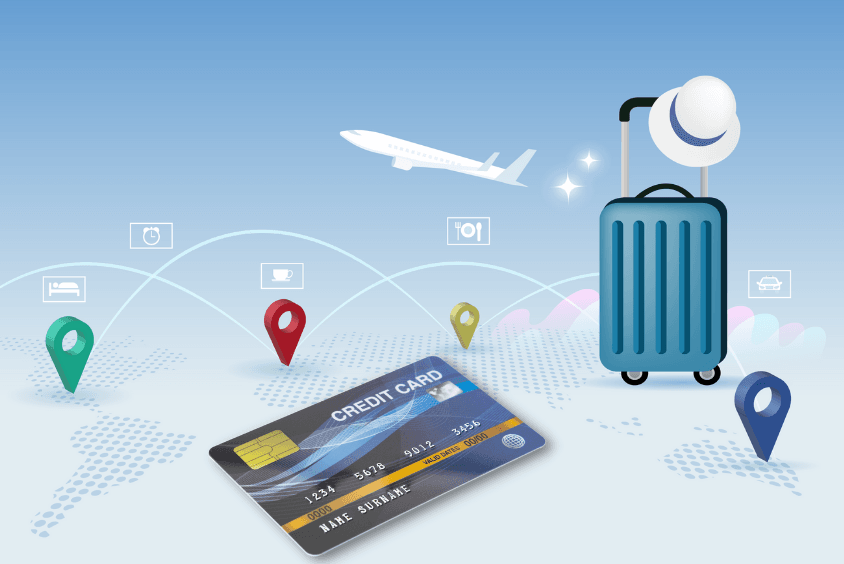
Traveling can be one of life’s greatest pleasures, but it also comes with expenses, uncertainties, and planning challenges. One financial tool that has revolutionized the way people travel is the travel card. Whether it’s a prepaid card, debit card, or credit card specifically designed for travel, these cards provide numerous benefits that go beyond simple payment convenience. But which items are truly considered benefits of using a travel card? This comprehensive guide breaks down everything you need to know.
What Is a Travel Card?
A travel card is a financial instrument designed to simplify travel-related payments. It can be a prepaid travel card, credit card, or debit card that often comes with additional perks for frequent travelers. Unlike standard credit or debit cards, travel cards usually offer enhanced features, including currency flexibility, rewards programs, travel insurance, and exclusive travel-related benefits.
Types of Travel Cards
Understanding the types of travel cards is the first step in recognizing their benefits.
1. Prepaid Travel Cards
These cards are loaded with a specific amount of money before travel. Prepaid travel cards are widely used to:
- Avoid carrying large amounts of cash
- Control spending
- Protect against fraud
2. Credit Travel Cards
Credit travel cards operate like a standard credit card but are optimized for travelers. Features often include:
- Reward points for travel spending
- No foreign transaction fees
- Airport lounge access
- Travel insurance coverage
3. Debit Travel Cards
Some banks offer debit cards designed for international travel. Benefits may include:
- Direct access to your funds
- Low or no foreign transaction fees
- Easy cash withdrawals abroad
Key Benefits of Using a Travel Card
Travel cards offer numerous advantages that make them an essential tool for modern travelers. Let’s explore the key benefits.
1. Convenience and Ease of Use
One of the primary benefits of travel cards is convenience. Travelers no longer need to carry multiple currencies or worry about exchanging money frequently. Most travel cards:
- Are widely accepted globally
- Allow easy payment at hotels, restaurants, and transportation services
- Support online and mobile payments
2. Currency Flexibility
Travel cards often support multiple currencies, making it easier to manage international spending. With a multi-currency travel card, you can:
- Load money in the currency of your destination
- Avoid unfavorable exchange rates at local currency exchange shops
- Reduce the risk of currency fluctuations affecting your budget
3. Budgeting and Expense Control
Using a travel card allows for better financial management. Prepaid and debit travel cards help travelers:
- Set a predetermined travel budget
- Track expenses in real-time
- Avoid overspending
4. Security and Fraud Protection
Security is a major concern while traveling. Travel cards reduce the risks associated with carrying large amounts of cash. Additional security features include:
- PIN protection
- Chip technology
- Fraud monitoring and alerts
- Easy card blocking in case of theft or loss
5. Rewards and Cashback
Many travel credit cards offer reward points, miles, or cashback on travel-related purchases. These rewards can be redeemed for:
- Flight tickets
- Hotel stays
- Car rentals
- Travel experiences
6. Travel Insurance and Assistance
Certain travel credit cards include complimentary travel insurance, which can cover:
- Trip cancellations
- Lost luggage
- Medical emergencies abroad
- Delayed flights or accommodations
7. Access to Airport Lounges and VIP Services
Premium travel cards often provide exclusive perks like:
- Airport lounge access
- Priority boarding
- Concierge services
- Exclusive travel deals
8. No Foreign Transaction Fees
A significant benefit of many travel cards is no foreign transaction fees, which can save a traveler a substantial amount when spending internationally. Standard credit cards may charge 2–3% per foreign transaction, but travel-specific cards often waive these fees, making them cost-effective.
9. Emergency Cash and Card Replacement
Some travel cards offer emergency cash and quick card replacement services if the card is lost or stolen. This ensures travelers can continue their journey without major disruptions.
10. Simplified Online Bookings
Travel cards make online bookings easier and safer. Many travel websites and airline platforms accept travel cards, allowing travelers to:
- Pay in local currency
- Benefit from card-specific discounts
- Receive travel protection and warranty services
How Travel Cards Enhance International Travel
Travel cards are particularly advantageous for international travelers. Here’s how they add value:
Reduced Need for Cash Exchange
Frequent currency conversion can lead to high fees. Travel cards eliminate much of this hassle by allowing travelers to spend directly in the local currency.
Lower Risk of Theft or Loss
Travelers are at risk of losing cash or dealing with counterfeit money abroad. Travel cards provide a secure alternative with fraud protection and card blocking features.
Convenient Budgeting Abroad
Travel cards give travelers insight into their spending patterns. Some cards allow instant notifications for transactions, helping manage the budget while traveling internationally.
Access to Special Offers
Travel cards often come with exclusive partner deals, such as discounted hotel stays, flight upgrades, or car rentals, which are not available to cash-paying travelers.
Factors to Consider When Choosing a Travel Card
Choosing the right travel card maximizes its benefits. Consider the following factors:
1. Fees and Charges
Compare:
- Annual fees
- ATM withdrawal fees
- Currency conversion fees
- Replacement or inactivity fees
2. Rewards and Perks
Look for travel cards offering rewards aligned with your travel style. For example:
- Frequent flyer miles
- Hotel points
- Cashback on travel bookings
3. Security Features
Ensure the card provides:
- Fraud monitoring
- 24/7 customer support
- Zero-liability policy
4. Acceptance Worldwide
Check if the card is widely accepted in the regions you plan to visit. Visa and Mastercard are generally the safest choices globally.
5. Travel Insurance Coverage
Some cards offer comprehensive travel insurance, which can be a decisive factor when choosing a card for international trips.
Common Misconceptions About Travel Cards
Despite their benefits, travel cards are sometimes misunderstood. Let’s clarify a few misconceptions:
Misconception 1: Travel Cards Are Only for Frequent Travelers
While frequent travelers gain the most value, even occasional travelers benefit from security, convenience, and rewards.
Misconception 2: Travel Cards Are Expensive
Some premium travel cards have annual fees, but the perks—like waived foreign transaction fees, lounge access, and travel insurance—often outweigh the cost.
Misconception 3: Cash Is Safer Than a Card
Carrying cash increases the risk of theft or loss. Travel cards provide secure, traceable transactions and emergency support, making them safer overall.
Real-Life Scenarios Where Travel Cards Shine
Scenario 1: Booking International Flights
A traveler can book flights in foreign currency using a travel card without incurring extra conversion fees while earning reward points for future travel.
Scenario 2: Emergency Situations Abroad
If a card is lost, most travel cards offer quick replacement and emergency cash, ensuring minimal disruption to travel plans.
Scenario 3: Hotel Stays and Car Rentals
Many travel cards provide insurance for rentals and hotel stays, covering damage or theft and saving travelers unexpected costs.
Scenario 4: Business Travel
For business travelers, travel cards simplify expense tracking, provide reward points, and offer additional perks like airport lounge access and travel insurance.
Choosing the Best Travel Card for You
Selecting the right travel card depends on your travel habits, financial preferences, and desired perks. Evaluate:
- Domestic vs. international travel frequency
- Spending habits (flights, hotels, dining)
- Desired rewards type (miles, points, cashback)
- Card fees vs. benefits
- Travel insurance coverage
Conclusion: Key Benefits of Using a Travel Card
Travel cards are not just a method of payment; they are a comprehensive travel tool that provides security, convenience, rewards, and peace of mind. The main benefits include:
- Security and fraud protection
- Currency flexibility
- Budgeting and spending control
- Reward points, miles, or cashback
- Travel insurance and emergency assistance
- Access to airport lounges and VIP perks
- No foreign transaction fees
- Convenient online and international payments