
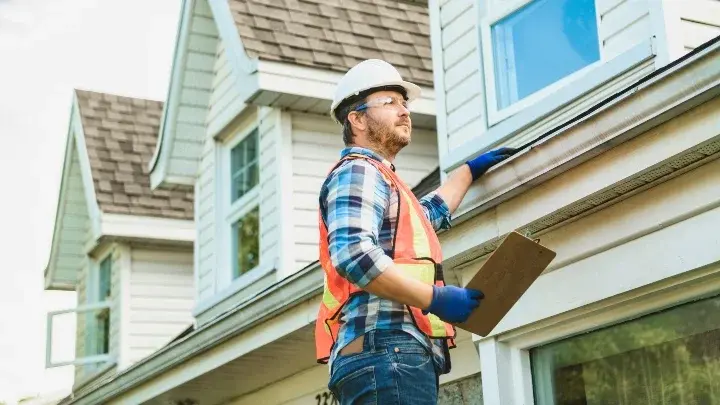
Buying or selling a home is one of the largest financial decisions most people will ever make. In the middle of negotiations, paperwork, and emotional decisions, one crucial step often determines whether a deal moves forward smoothly or becomes a costly mistake: the home inspection. A common question buyers and sellers ask is how much does a home inspection cost, and just as importantly, what are you paying for?
The cost of a home inspection varies depending on several factors such as location, home size, age, inspection type, and optional add-ons. While it may feel like an extra expense, a home inspection can save thousands of dollars by identifying hidden problems before closing.
This in-depth guide explains everything you need to know about home inspection costs, what affects pricing, what’s included, optional inspections, and how to decide if the cost is worth it.
What Is a Home Inspection?
A home inspection is a professional evaluation of a property’s physical condition, typically conducted before a real estate transaction is finalized. A licensed home inspector examines visible and accessible components of the home and provides a detailed report outlining any issues, safety concerns, or maintenance recommendations.
What Inspectors Typically Examine
- Roof and attic
- Foundation and structure
- Plumbing systems
- Electrical systems
- HVAC systems
- Windows and doors
- Interior and exterior surfaces
- Insulation and ventilation
Average Cost of a Home Inspection
National Average Home Inspection Cost
In most areas, the average home inspection cost ranges between $300 and $500. However, prices can go higher or lower depending on several factors.
- Low-end inspections: $250–$300
- Average inspections: $350–$450
- High-end inspections: $500–$700+
Factors That Affect Home Inspection Costs
Home inspection pricing is not one-size-fits-all. Several variables influence the final cost.
Size of the Home
The size of the home is one of the biggest pricing factors.
Typical Pricing by Square Footage
- Under 1,500 sq ft: $250–$350
- 1,500–2,500 sq ft: $350–$450
- 2,500–3,500 sq ft: $450–$600
- Over 3,500 sq ft: $600–$800+
Age of the Home
Older homes often cost more to inspect due to:
- Outdated systems
- Wear and tear
- Construction methods no longer in use
- Increased likelihood of hidden issues
Location and Market Demand
Inspection costs vary by region due to differences in:
- Cost of living
- Licensing requirements
- Competition among inspectors
- Travel distance
Inspector Experience and Certification
Highly experienced or certified inspectors often charge more, but they also bring:
- Deeper expertise
- More thorough reports
- Better explanations of issues
- Reduced risk of missed problems
Type of Property
Different property types may require different inspection scopes.
Common Property Types and Cost Impact
- Single-family homes: Standard pricing
- Condos: Often cheaper due to fewer systems
- Townhomes: Moderate pricing
- Multi-family properties: Higher costs
- Manufactured homes: Specialized inspections may cost more
What Is Included in a Standard Home Inspection?
Understanding what you’re paying for helps justify the cost.
Standard Inspection Coverage
A typical home inspection includes:
- Visual examination of accessible areas
- Testing of electrical outlets and switches
- Checking plumbing fixtures and water pressure
- HVAC system operation checks
- Roof condition assessment (from ground or attic)
- Foundation and structural evaluation
- Identification of safety hazards
Optional Home Inspection Add-Ons and Their Costs
Many homes require specialized inspections that are not included in the base price.
Termite or Pest Inspection
- Cost: $75–$150
- Checks for termites, wood-destroying insects, and pest damage
- Often required by lenders
Radon Testing
- Cost: $100–$250
- Measures radon gas levels in the home
- Important in areas with known radon risks
Mold Inspection
- Cost: $150–$400
- Includes air or surface sampling
- Recommended if moisture or musty odors are present
Sewer Line Inspection
- Cost: $150–$350
- Uses a camera to inspect underground sewer pipes
- Highly recommended for older homes
Lead Paint Testing
- Cost: $200–$400
- Important for homes built before 1978
- Identifies lead-based paint hazards
Asbestos Inspection
- Cost: $250–$600
- Common in older insulation, flooring, or ceiling materials
Pool or Spa Inspection
- Cost: $100–$250
- Evaluates pumps, heaters, and safety features
Roof Inspection by Specialist
- Cost: $150–$300
- Recommended if roof damage is suspected
Who Pays for the Home Inspection?
In most real estate transactions, the buyer pays for the home inspection. This gives the buyer control over the inspector selection and ensures unbiased reporting.
However, there are exceptions:
- Sellers may pay for pre-listing inspections
- Buyers and sellers may negotiate costs
- Investors may bundle inspections
Is a Home Inspection Worth the Cost?
The short answer is yes—almost always.
Why Home Inspections Are Worth It
- Identify costly repairs before closing
- Provide leverage for price negotiations
- Prevent buying a money pit
- Offer peace of mind
- Help plan future maintenance
Can You Skip a Home Inspection to Save Money?
Skipping a home inspection is risky, even in competitive markets.
Risks of Skipping an Inspection
- Hidden structural damage
- Electrical or plumbing issues
- Mold or water damage
- Roof failure
- Foundation problems
Pre-Listing Home Inspections for Sellers
Sellers sometimes choose to pay for a home inspection before listing.
Cost of Pre-Listing Inspections
- Typically $300–$500
- Same pricing as buyer inspections
Benefits for Sellers
- Identify issues before listing
- Reduce surprises during negotiations
- Increase buyer confidence
- Speed up closing
How Long Does a Home Inspection Take?
Inspection time affects cost but also reflects thoroughness.
Typical Inspection Duration
- Small homes: 2–3 hours
- Medium homes: 3–4 hours
- Large homes: 4–6 hours
What Happens After the Inspection?
After the inspection, buyers receive a written report outlining:
- Defects and safety concerns
- Recommended repairs
- Maintenance suggestions
- Photos of problem areas
- Request repairs
- Negotiate price reductions
- Ask for seller credits
- Walk away from the deal
How to Choose the Right Home Inspector
Cost matters, but quality matters more.
Tips for Choosing an Inspector
- Check licensing and certifications
- Read reviews and testimonials
- Ask for sample reports
- Confirm insurance coverage
- Avoid inspectors recommended only by sellers
Home Inspection Costs for New Construction
New homes also need inspections.
New Construction Inspection Costs
- $300–$600 depending on size
- May include multiple phase inspections
- Identifies construction defects before warranty expiration
Home Inspection vs Appraisal: Cost Differences
Many buyers confuse inspections with appraisals.
Key Differences
- Home inspection cost: $300–$500
- Appraisal cost: $400–$700
- Inspection evaluates condition
- Appraisal evaluates value
Ways to Save on Home Inspection Costs
While you shouldn’t cut corners, there are ways to manage costs.
Cost-Saving Tips
- Bundle inspections with one provider
- Schedule during off-peak seasons
- Avoid unnecessary add-ons
- Compare multiple inspectors
- Choose inspections based on home age and risk
Final Thoughts: How Much Does a Home Inspection Cost?
So, how much does a home inspection cost?
For most buyers, the answer falls between $300 and $500, with additional costs for specialized inspections. While the price may vary, the value of a home inspection far outweighs the cost.
A home inspection protects your investment, strengthens your negotiating position, and provides clarity before making one of life’s biggest purchases. Whether you’re a buyer, seller, or investor, a thorough inspection is money well spent.
In real estate, knowledge is power—and a home inspection delivers exactly that.