
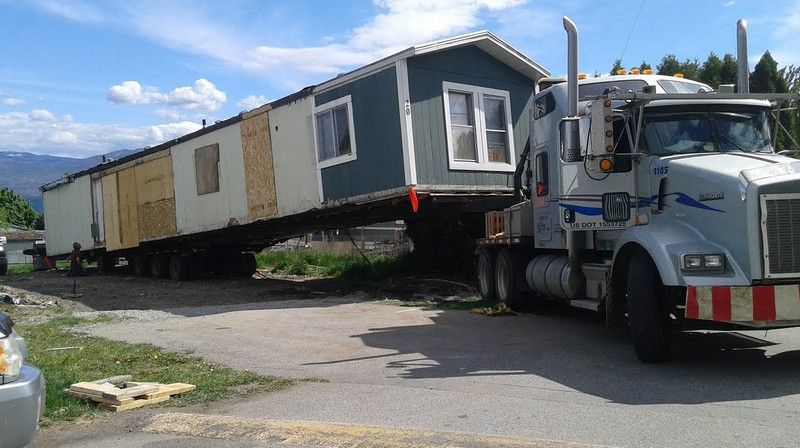
Moving a mobile home is a major undertaking that involves more than simply hooking it up to a truck and driving away. While mobile homes are designed to be movable, the process requires careful planning, professional expertise, permits, specialized equipment, and coordination with local authorities and utility companies. One of the most common questions homeowners ask is how much does it cost to move a mobile home, and the answer depends on many factors.
In this comprehensive guide, you’ll learn the average cost of moving a mobile home, what affects pricing, hidden fees to watch out for, and how to decide whether moving your mobile home is financially worth it.
Understanding What “Moving a Mobile Home” Really Means
Before diving into costs, it’s important to understand what the moving process includes. Moving a mobile home is typically divided into three stages:
- Disconnection and preparation
- Transportation
- Setup at the new location
Average Cost to Move a Mobile Home
The average cost to move a mobile home ranges from $3,000 to $15,000, depending on size, distance, and complexity.
General Cost Ranges
- Short-distance move (under 50 miles): $3,000–$8,000
- Long-distance move (over 100 miles): $7,000–$15,000+
- Single-wide mobile home: $3,000–$8,000
- Double-wide mobile home: $6,000–$15,000+
Cost to Move a Single-Wide Mobile Home
Single-wide mobile homes are easier and cheaper to move due to their size and weight.
Typical Single-Wide Moving Costs
- Transport only: $2,000–$5,000
- Full-service move (disconnect, transport, setup): $3,000–$8,000
Cost to Move a Double-Wide Mobile Home
Double-wide mobile homes are significantly more expensive to move because they must be separated into two sections.
Typical Double-Wide Moving Costs
- Transport only: $4,000–$9,000
- Full-service move: $6,000–$15,000+
Factors That Affect the Cost of Moving a Mobile Home
Several variables influence the final price. Understanding these factors helps you budget accurately and avoid surprises.
Distance of the Move
Distance is one of the biggest cost drivers.
- Short-distance moves cost less due to lower fuel and labor expenses
- Long-distance moves require more fuel, permits, and driver hours
Size and Weight of the Mobile Home
Larger and heavier homes require:
- More equipment
- Additional axles and tires
- Extra escort vehicles
- Specialized trailers
Age and Condition of the Home
Older mobile homes may require extra preparation to prevent damage.
- Reinforcing walls or roofing
- Replacing tires or axles
- Structural inspections
Permits and Regulations
Permits are mandatory in most states and cities.
Permit Costs
- Local permits: $50–$300
- State permits: $100–$500
- Oversized load permits: $200–$1,000
Utility Disconnection and Reconnection
Disconnecting and reconnecting utilities is usually not included in the base moving fee.
Utility-Related Costs
- Electric disconnection/reconnection: $50–$200
- Gas line handling: $100–$400
- Water and sewer hookups: $100–$500
Setup Costs at the New Location
Setup costs are often overlooked but can be significant.
Setup Includes
- Blocking and leveling
- Anchoring and tie-downs
- Skirting installation
- Reconnecting utilities
Land Preparation Costs
If the new location is undeveloped, additional expenses may apply.
Possible Land Prep Expenses
- Grading and leveling: $500–$3,000
- Concrete or gravel pad: $1,000–$5,000
- Driveway access improvements: $500–$2,000
Escort Vehicles and Traffic Control
Oversized loads often require escort vehicles for safety.
Escort Costs
- One escort vehicle: $1–$2 per mile
- Two escorts (often required): $2–$4 per mile
Insurance Costs
Professional movers carry insurance, but coverage levels vary.
Insurance Options
- Basic liability coverage: Often included
- Full replacement insurance: Additional cost
- Damage coverage upgrades: $200–$1,000
Hidden Costs to Watch Out For
Many homeowners are surprised by extra fees that aren’t included in initial quotes.
Common Hidden Fees
- Stair removal or porch disassembly
- Tree trimming or obstacle removal
- Delays due to weather
- Storage fees if the site isn’t ready
- Weekend or emergency scheduling fees
Is It Cheaper to Move or Buy a New Mobile Home?
In some cases, moving a mobile home may not be cost-effective.
When Moving Makes Sense
- The home is newer and in excellent condition
- The move distance is short
- You already own the land
When Buying New May Be Better
- The home is old or damaged
- The move is long-distance
- Setup and repair costs are high
Cost to Move a Mobile Home Into a Park
Moving into a mobile home park often involves additional fees.
Park-Related Costs
- Lot rent deposits: $500–$2,000
- Park entry fees: $100–$500
- Inspection or approval fees: $50–$300
DIY vs Professional Mobile Home Movers
While DIY moving may seem cheaper, it’s rarely practical or legal.
Why Professional Movers Are Necessary
- Specialized equipment required
- Legal permits and compliance
- Insurance and liability coverage
- Risk of structural damage
How Long Does It Take to Move a Mobile Home?
Time affects cost, especially labor and scheduling fees.
Typical Timeline
- Preparation: 1–3 days
- Transportation: 1–2 days
- Setup: 1–3 days
How to Get an Accurate Moving Estimate
Getting a reliable estimate is crucial for budgeting.
Tips for Accurate Quotes
- Provide exact home dimensions
- Share the home’s age and condition
- Confirm distance and route
- Ask about included services
- Request a written breakdown
Ways to Reduce the Cost of Moving a Mobile Home
While you can’t eliminate costs, you can manage them.
Cost-Saving Tips
- Move during off-peak seasons
- Prepare the site in advance
- Handle utility coordination yourself
- Choose shorter routes when possible
- Avoid last-minute changes
Financing Options for Mobile Home Moving
If upfront costs are a concern, financing may be available.
Common Financing Options
- Personal loans
- Home equity loans
- Mobile home insurance claims (in limited cases)
- Park assistance programs
Legal and Safety Considerations
Moving a mobile home without proper permits or professionals can result in fines or structural damage.
Important Legal Points
- HUD compliance requirements
- Local zoning laws
- Transportation safety regulations
- Liability for road damage
Final Thoughts: How Much Does It Cost to Move a Mobile Home?
So, how much does it cost to move a mobile home?
For most homeowners, costs range from $3,000 to $15,000, depending on size, distance, and setup requirements. While moving a mobile home can be expensive, it may still be worthwhile if the home is in good condition and the move distance is reasonable.
Understanding all the factors involved—from permits and utilities to setup and land preparation—helps you avoid unexpected expenses and make an informed decision. With careful planning and the right professionals, moving a mobile home can be a manageable and worthwhile investment.