
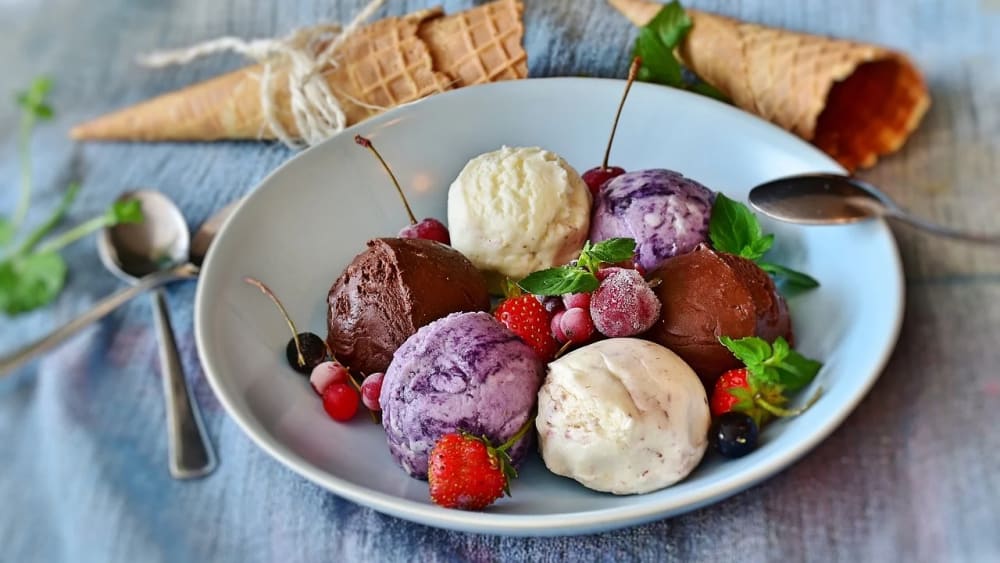
Ice cream is one of the most beloved desserts in the world. Whether you prefer classic vanilla, rich chocolate fudge, fruity sorbet, or indulgent cookie dough, there’s something irresistible about a frozen treat waiting in your freezer. But as delightful as it is, ice cream doesn’t last forever. If you’ve ever wondered whether that half-eaten tub in your freezer is still safe to eat, you’re not alone.
So, how long does ice cream last? The answer depends on several factors, including whether it’s unopened or opened, how it’s stored, and whether it’s homemade or store-bought. In this in-depth guide, we’ll explore everything you need to know about ice cream’s shelf life, how to tell if it has gone bad, and how to extend its freshness.
Does Ice Cream Expire?
Yes, ice cream does expire. Although it’s stored in the freezer, which significantly slows bacterial growth and spoilage, it is not immune to quality degradation over time.
Unlike many shelf-stable foods, ice cream contains dairy, sugar, and sometimes eggs—ingredients that can deteriorate if not stored properly. Freezing preserves ice cream for a long time, but it does not keep it fresh indefinitely. Over time, texture, flavor, and overall quality decline.
How Long Does Unopened Ice Cream Last?
Unopened ice cream generally lasts:
- 2 to 3 months past the printed date if kept consistently frozen at 0°F (-18°C) or below.
- In some cases, it may remain safe for up to 3 to 6 months, but quality may decline.
Most store-bought ice cream containers come with a “best by” or “best before” date. This is not an expiration date in the strict sense. Instead, it indicates the period during which the manufacturer guarantees optimal taste and texture.
As long as the container remains unopened and properly frozen, the ice cream is usually safe to eat after the best-by date. However, you may notice:
- Ice crystals forming
- A slight change in texture
- Reduced flavor intensity
The longer it sits, the more noticeable these changes become.
How Long Does Opened Ice Cream Last?
Once opened, ice cream is exposed to air, moisture, and potential contaminants. This exposure reduces its shelf life.
Opened ice cream typically lasts:
- 1 to 2 months in the freezer when stored properly
- For best quality, it should be consumed within 2 to 4 weeks
The more often the container is opened and left at room temperature, the faster the quality deteriorates. Repeated thawing and refreezing can significantly impact both texture and safety.
How Long Does Homemade Ice Cream Last?
Homemade ice cream has a shorter shelf life than store-bought versions because it usually lacks preservatives and stabilizers.
Homemade ice cream generally lasts:
- 1 to 2 weeks in the freezer for best quality
- Up to 1 month if stored properly in an airtight container
Because homemade versions often contain fresh dairy and eggs, they are more sensitive to temperature fluctuations and freezer burn.
Why Ice Cream Lasts So Long in the Freezer
Freezing slows down microbial growth and chemical reactions that cause spoilage. At 0°F (-18°C), most bacteria and molds become inactive. However, freezing does not kill all microorganisms—it simply puts them in a dormant state.
If ice cream is contaminated before freezing or exposed to unsafe temperatures after opening, bacteria can multiply when it partially thaws.
Additionally, while freezing prevents rapid spoilage, it cannot prevent quality deterioration such as:
- Freezer burn
- Ice crystal formation
- Flavor loss
- Texture breakdown
Signs Ice Cream Has Gone Bad
Even though ice cream can last for months, it’s important to recognize the signs that it’s no longer good to eat.
1. Ice Crystals on the Surface
A thin layer of ice crystals can form naturally over time, especially if the container has been opened. However, large, chunky ice crystals or a thick icy layer may indicate freezer burn or partial thawing and refreezing.
While freezer-burned ice cream is not necessarily unsafe, the texture and flavor will likely be unpleasant.
2. Changes in Texture
Fresh ice cream is smooth and creamy. If it becomes:
- Gritty
- Icy
- Sticky
- Overly hard in some spots and soft in others
These are signs of temperature fluctuation or age-related degradation.
3. Off Smell
If your ice cream smells sour, rancid, or strange, it should be discarded. Dairy-based products can develop unpleasant odors if they begin to spoil.
4. Unusual Taste
If the flavor tastes “off,” sour, or stale, it’s best not to eat it. Even if it doesn’t make you sick, the experience won’t be enjoyable.
5. Shrinkage from the Container
Sometimes, ice cream pulls away from the sides of the container. This can happen due to air exposure and moisture loss over time. While not always a safety issue, it indicates the ice cream is aging.
Can Ice Cream Go Bad in the Freezer?
Yes, especially if your freezer temperature fluctuates or if the ice cream has been repeatedly thawed and refrozen.
Common causes include:
- Power outages
- Freezer door left open
- Storing ice cream near the freezer door
- Frequent scooping and returning to the freezer
If ice cream melts significantly and is then refrozen, bacteria can multiply during the thawed period. In such cases, it may become unsafe to eat.
What Happens If You Eat Expired Ice Cream?
If the ice cream has simply passed its best-by date but has been properly stored, it’s unlikely to cause illness. You may just notice reduced quality.
However, eating ice cream that has:
- Melted and refrozen multiple times
- Been stored at improper temperatures
- Developed a sour smell or taste
Could potentially cause foodborne illness.
Symptoms of food poisoning may include:
- Nausea
- Vomiting
- Stomach cramps
- Diarrhea
If you suspect contamination, it’s safest to discard the product.
How to Store Ice Cream Properly
Proper storage significantly extends the life and quality of ice cream.
Keep It at 0°F (-18°C) or Below
Your freezer should be set at 0°F or colder. Use a freezer thermometer to ensure accuracy.
Store in the Back of the Freezer
The back of the freezer maintains a more stable temperature than the door. Avoid placing ice cream near the door where it is exposed to warm air every time it’s opened.
Seal the Container Tightly
Always replace the lid firmly after scooping. Exposure to air leads to freezer burn and ice crystal formation.
Use Plastic Wrap for Extra Protection
For opened containers, press a layer of plastic wrap or parchment paper directly onto the surface of the ice cream before sealing the lid. This reduces air exposure.
Avoid Repeated Thawing
Take out the ice cream only when ready to serve and return it to the freezer immediately after scooping.
What Is Freezer Burn?
Freezer burn occurs when moisture evaporates from the surface of frozen food and forms ice crystals. In ice cream, freezer burn leads to:
- Dry patches
- Icy texture
- Dull flavor
Freezer-burned ice cream is generally safe to eat, but it won’t taste as good.
Does Different Types of Ice Cream Last Longer?
Yes, shelf life can vary depending on the type.
Regular Dairy Ice Cream
Contains milk, cream, sugar, and sometimes eggs. Typically lasts 2–3 months unopened.
Gelato
Has less fat and more milk than traditional ice cream. It may develop texture issues slightly faster due to lower fat content.
Sorbet and Sherbet
Sorbet contains no dairy, while sherbet contains a small amount. Sorbet can last slightly longer due to lack of dairy but is still susceptible to freezer burn.
Premium or High-Fat Ice Cream
Higher fat content can help preserve smooth texture longer, but storage conditions still matter most.
Dairy-Free or Vegan Ice Cream
Made from almond, coconut, soy, or oat milk. Shelf life is similar to dairy-based ice cream, though some varieties may change texture more quickly.
How Long Can Ice Cream Sit Out?
Ice cream should not sit out at room temperature for more than:
- 10 to 15 minutes
At room temperature, ice cream melts quickly. Once it melts, bacteria can multiply rapidly. If ice cream has been fully melted and left out for more than two hours, it should be discarded.
Never refreeze fully melted ice cream. Not only does it become icy and unpleasant, but it can also become unsafe.
What About Ice Cream in a Power Outage?
If your freezer loses power:
- Ice cream will remain frozen for about 24 to 48 hours if the freezer remains closed.
- If it is still solid and at 40°F or below, it is generally safe.
- If it has melted significantly, it should be thrown away.
Always check for texture and temperature after a power outage.
How to Extend Ice Cream’s Shelf Life
While you can’t make ice cream last forever, you can maximize its freshness.
- Keep freezer temperature consistent.
- Avoid frequent opening of the container.
- Store containers upright.
- Use airtight containers for homemade versions.
- Label homemade ice cream with the date it was made.
Small storage habits can significantly extend quality.
Frequently Asked Questions
Is Ice Cream Safe to Eat After the Expiration Date?
If properly stored and unopened, yes—usually for a couple of months past the best-by date. Always inspect for signs of spoilage.
Why Does Ice Cream Get Icy?
Ice crystals form due to temperature fluctuations and air exposure. Repeated thawing and refreezing worsens this issue.
Can You Refreeze Ice Cream?
If it has only slightly softened but still contains ice crystals and feels mostly frozen, it can be refrozen safely. However, if it has completely melted, it should not be refrozen.
Does Ice Cream Last Longer in a Deep Freezer?
Yes. A deep freezer typically maintains a more consistent temperature than a refrigerator freezer, helping preserve quality longer.
Final Thoughts: How Long Does Ice Cream Last?
Ice cream can last surprisingly long in the freezer, but it doesn’t stay at peak quality forever.
- Unopened: 2–3 months past the best-by date
- Opened: 1–2 months
- Homemade: 1–2 weeks for best quality
The key to keeping ice cream fresh is consistent freezing temperatures, minimal air exposure, and avoiding thaw-and-refreeze cycles.
When in doubt, trust your senses. If the texture, smell, or taste seems off, it’s better to throw it away than risk getting sick. Ice cream is meant to be enjoyed at its creamy, flavorful best—so don’t wait too long to indulge in that frozen treat waiting in your freezer.