
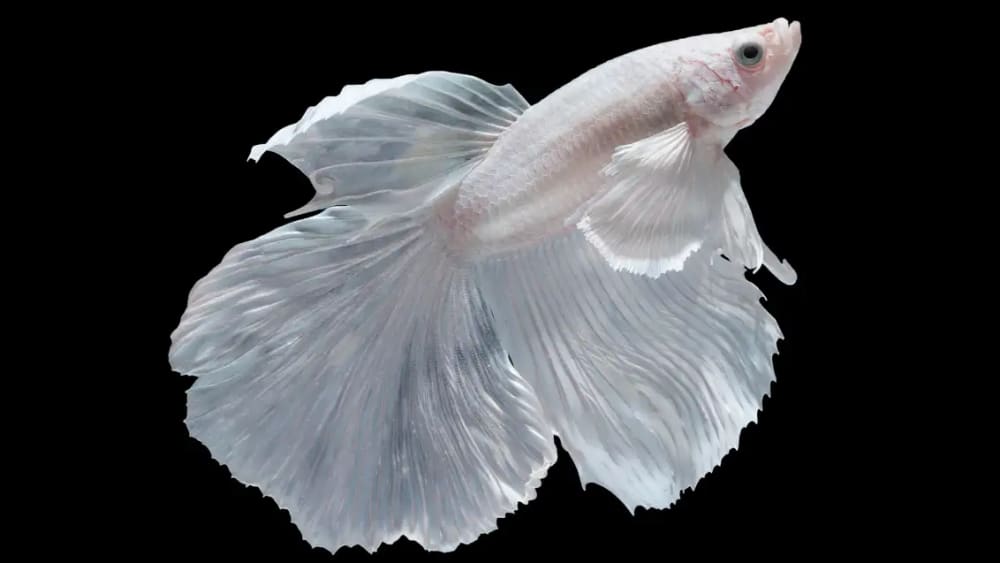
Betta fish, also known as Siamese fighting fish, are among the most popular freshwater aquarium pets in the world. Their vivid colors, flowing fins, and interactive personalities make them especially appealing to beginners and experienced aquarists alike. One of the most common questions betta owners ask is: how long can betta fish go without food?
This question often comes up when owners are planning a short trip, dealing with an emergency, or simply worrying whether they are feeding their fish correctly. While bettas are relatively hardy fish, their survival without food depends on several factors, including age, health, environment, and prior feeding habits.
In this in-depth guide, you’ll learn exactly how long betta fish can survive without food, what happens to their bodies during fasting, when it becomes dangerous, and how to prepare your betta if you’ll be away.
Understanding Betta Fish Biology and Feeding Needs
To understand how long a betta fish can go without food, it helps to first understand their natural biology and feeding behavior.
In the wild, betta fish originate from shallow waters in Thailand, Cambodia, Vietnam, and nearby regions. These environments include rice paddies, slow-moving streams, and floodplains. Food availability in these habitats is not always consistent, so bettas evolved to tolerate short periods of food scarcity.
Bettas are opportunistic carnivores. Their diet mainly consists of:
- Insect larvae
- Small insects that fall into the water
- Zooplankton
- Tiny crustaceans
Because of this natural lifestyle, bettas are adapted to eating small meals and sometimes going a day or two without food. However, aquarium conditions are very different from the wild, and that difference matters when considering fasting.
Short Answer: How Long Can Betta Fish Go Without Food?
In general:
- Healthy adult betta fish can survive 7 to 14 days without food
- Short-term fasting of 2 to 4 days is usually harmless
- Beyond 10 to 14 days, the risk of serious health issues or death increases significantly
While survival is possible for up to two weeks in some cases, this does not mean it is safe or recommended. Survival and optimal health are not the same thing. A betta may live through a long fast but suffer weakened immunity, organ damage, or long-term stress.
Factors That Affect How Long a Betta Can Go Without Food
Not all betta fish are the same. Several key factors influence how long a betta can safely go without eating.
Age of the Betta Fish
Young bettas and fry have much higher metabolic needs than adults. They are still growing and require frequent feeding.
- Betta fry may need food multiple times per day
- Juvenile bettas should not go more than 24–48 hours without food
Adult bettas, on the other hand, have slower metabolisms and more stored energy, allowing them to handle longer fasting periods.
Overall Health and Body Condition
A healthy betta with good body weight and no signs of illness can tolerate fasting far better than a sick or underweight fish.
Bettas that are already stressed or unhealthy may experience:
- Rapid weight loss
- Weakened immune response
- Increased susceptibility to disease
If your betta is recovering from illness, fasting for more than a day or two is not recommended.
Tank Temperature
Temperature plays a major role in a betta’s metabolism.
- Warmer water (78–80°F / 25–27°C) increases metabolism, meaning the fish burns energy faster
- Cooler water slows metabolism but can weaken the immune system
In warmer tanks, bettas may struggle more during extended periods without food.
Prior Feeding Routine
A betta that has been consistently fed a balanced diet will have better fat and nutrient reserves.
- Bettas that are regularly overfed may survive longer without food, but overfeeding carries its own risks
- Bettas that are underfed may show negative effects much sooner
Consistency and quality of diet matter more than sheer quantity.
Stress Levels and Environment
Stress uses energy. A calm, stable environment helps a betta conserve energy during fasting.
Stressors include:
- Poor water quality
- Frequent tank disturbances
- Aggressive tank mates
- Inadequate tank size
A stressed betta will not tolerate food deprivation as well as one in a peaceful, well-maintained tank.
What Happens to a Betta Fish When It Doesn’t Eat?
Understanding what happens inside a betta’s body during fasting can help explain why long periods without food are risky.
First Few Days Without Food
During the first 1–3 days, a healthy betta typically shows little to no outward change. The fish uses stored energy from recent meals and fat reserves.
You may notice:
- Normal swimming behavior
- Slight increase in foraging or begging behavior
- No visible weight loss
This short fasting period is generally safe and sometimes even beneficial.
Days 4 to 7 Without Food
As fasting continues, the betta begins to rely more heavily on stored fat and muscle tissue.
Possible changes include:
- Slight thinning of the body
- Reduced activity levels
- Less interest in interaction
At this stage, the fish is still surviving but is no longer thriving.
Beyond 7 to 10 Days
Extended fasting pushes the betta into a more dangerous state.
Potential effects include:
- Noticeable weight loss
- Weakened immune system
- Increased risk of bacterial or fungal infections
- Lethargy and reduced responsiveness
If fasting continues past two weeks, organ failure and death become increasingly likely.
Is Fasting Ever Good for Betta Fish?
Interestingly, short-term fasting can be beneficial when done intentionally and sparingly.
Many experienced aquarists recommend:
- One fasting day per week for adult bettas
Benefits of short fasting include:
- Reduced risk of bloating and constipation
- Improved digestion
- Lower chance of swim bladder issues
However, this is very different from unplanned, extended food deprivation. A controlled fasting day is not harmful, but prolonged fasting is.
How Often Should You Normally Feed a Betta Fish?
Proper feeding habits reduce the risk of problems when a betta misses a meal.
A healthy feeding routine typically looks like this:
- 1 to 2 small meals per day
- 2 to 4 high-quality pellets per feeding, depending on pellet size
- Occasional treats such as frozen or live foods
Bettas have small stomachs, roughly the size of their eye. Overfeeding is one of the most common mistakes and can lead to obesity, bloating, and water quality issues.
What If You’re Going on Vacation?
This is one of the main reasons people ask how long bettas can go without food. The good news is that bettas are relatively low-maintenance compared to many other pets.
Trips of 1 to 3 Days
For short trips:
- Your betta will be perfectly fine without food
- Feed normally before leaving
- Do not overfeed “to compensate”
Overfeeding before a trip can do more harm than skipping a few meals.
Trips of 4 to 7 Days
For trips up to a week, you have a few options:
- Let the betta fast if it is healthy and adult
- Ask a trusted person to feed once or twice during the week
- Pre-portion food to prevent overfeeding
Many bettas can handle a 5–7 day fast, but feeding once mid-week is safer.
Trips Longer Than 7 Days
For longer absences:
- A fish sitter is strongly recommended
- Avoid automatic feeders unless tested well in advance
- Avoid vacation feeding blocks unless absolutely necessary
Vacation food blocks can dissolve unpredictably and pollute the water, which is often more dangerous than hunger.
Signs Your Betta Is Not Getting Enough Food
If your betta is experiencing negative effects from insufficient feeding, you may notice:
- Sunken belly
- Prominent spine or head shape
- Lethargy or resting at the bottom
- Dull coloration
- Reduced fin movement
These signs indicate that the fish needs nutritional support as soon as possible.
Can Overfeeding Be Worse Than Underfeeding?
Surprisingly, yes. Many betta health issues are caused by overfeeding rather than underfeeding.
Overfeeding can lead to:
- Constipation and bloating
- Swim bladder disorders
- Poor water quality from excess waste
- Increased ammonia and nitrite levels
A slightly hungry betta is often healthier than an overfed one. Balance is key.
Special Considerations for Sick or Breeding Bettas
Certain situations require extra care.
Sick Bettas
If a betta is ill:
- Do not allow extended fasting unless advised
- Small, nutritious meals can aid recovery
- Monitor appetite closely
Some illnesses may reduce appetite naturally, but this should be temporary.
Breeding Bettas
Breeding males and females require increased nutrition.
- They should not go without food for extended periods
- High-protein foods are especially important
Fasting during breeding preparation can reduce energy and success.
Final Thoughts: How Long Is Too Long?
So, how long can betta fish go without food?
- A few days: Safe for healthy adult bettas
- Up to a week: Usually survivable, but not ideal
- Two weeks: Possible in rare cases, but dangerous
- Beyond two weeks: High risk of serious harm or death
While bettas are resilient fish, they rely on their owners for consistent care. Planning ahead, maintaining good feeding habits, and understanding your betta’s individual needs will ensure a long, healthy, and colorful life.
If you ever have to choose between slightly underfeeding and risking overfeeding or poor water quality, remember that clean water and stability are just as important as food for your betta’s survival and well-being.