
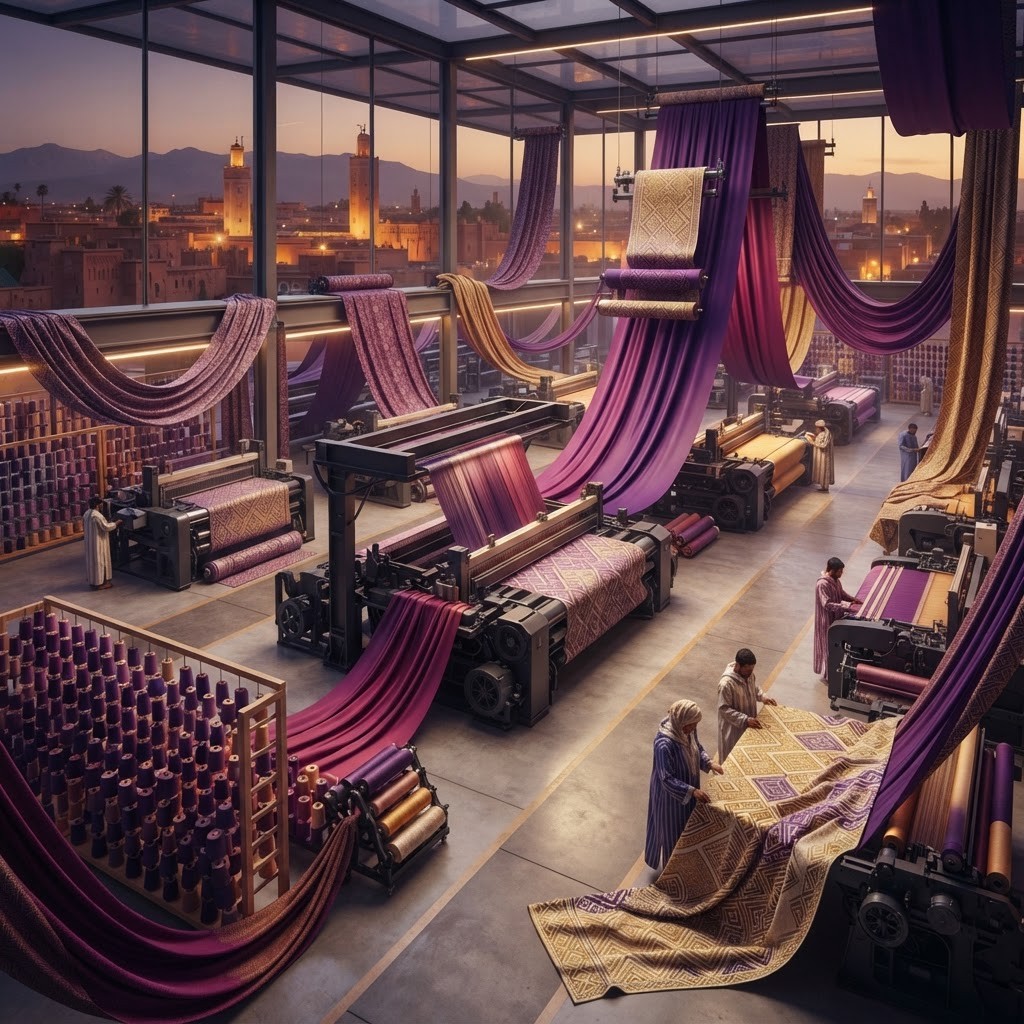
The Fabric of Mauritanian Culture
Textiles hold a special place in Mauritanian life. The vibrant fabrics used for the traditional melhfa worn by women and the boubou worn by men are woven into the very identity of the nation. Beyond their cultural significance, textiles represent an important area of economic activity, encompassing traditional weaving, dyeing, tailoring, and increasingly, more industrialized production of garments and household goods.
While Mauritania's textile sector is still developing compared to major global manufacturing hubs, it is home to a growing number of enterprises that combine craftsmanship with ambition. These manufacturers serve both the domestic market and, increasingly, regional demand for quality fabrics and finished garments.
What Distinguishes Leading Textile Manufacturers
The best textile manufacturers in Mauritania balance quality, consistency, and cultural authenticity. They source good materials, maintain reliable production, and understand the tastes of their customers, from traditional garments to contemporary designs. Increasingly, successful firms are also investing in modern equipment, workforce training, and sustainable practices such as responsible dyeing and water management.
Top Textile Manufacturers
Mauritania Textile Industries is among the more established producers, focusing on woven fabrics and finished goods that serve both local consumers and regional buyers.
Nouakchott Textile Company operates from the capital, producing a range of fabrics and garments with an emphasis on consistent quality and dependable supply.
Sahara Fabrics specializes in the colorful, lightweight materials well suited to the desert climate, catering to demand for traditional attire.
Atlantic Garments Mauritania focuses on garment assembly and tailoring, producing finished clothing for local retailers and institutional clients.
Adrar Weaving Cooperative preserves traditional weaving techniques while scaling production, blending heritage craftsmanship with growing output.
Trarza Textile Works produces dyed fabrics and household textiles, serving markets across the southern regions of the country.
Nouadhibou Fabric Mills leverages its coastal location and port access to source materials and distribute products efficiently.
Sahel Cotton Processors works within the broader value chain, processing raw fibers into materials ready for weaving and garment production.
Chinguetti Traditional Textiles is known for authentic, culturally rooted fabrics that celebrate Mauritanian design traditions.
Assaba Garment Manufacturing focuses on affordable, everyday clothing, meeting the practical needs of a broad domestic market.
Traditional Craftsmanship Meets Modern Demand
A defining feature of Mauritania's textile sector is the coexistence of time-honored craftsmanship and emerging industrial methods. Skilled artisans continue to produce beautiful hand-dyed and hand-woven fabrics that carry deep cultural meaning, while more mechanized producers aim to increase volume and consistency. The most successful manufacturers find ways to honor tradition while embracing efficiency and quality control.
Industry Challenges and Opportunities
The sector faces real challenges, including competition from imported fabrics, the need for modern machinery, and access to reliable power and financing. However, opportunities abound. Rising regional demand, growing interest in authentic African textiles, and government efforts to support local industry all create room for growth. Manufacturers that invest in quality, branding, and efficiency are well positioned to capture these opportunities.
Toward a Sustainable Textile Future
Sustainability is becoming increasingly important. Responsible water use, safer dyeing processes, and ethical labor practices not only protect the environment and workers but also appeal to conscious consumers at home and abroad. Manufacturers embracing these principles are building reputations that will serve them well as the industry matures.
Conclusion
Mauritania's textile manufacturers weave together cultural heritage and industrial ambition. The companies profiled here are helping to grow a sector that celebrates national identity while creating jobs and economic value. As they modernize and expand, these manufacturers are set to play an ever more important role in Mauritania's industrial development.