
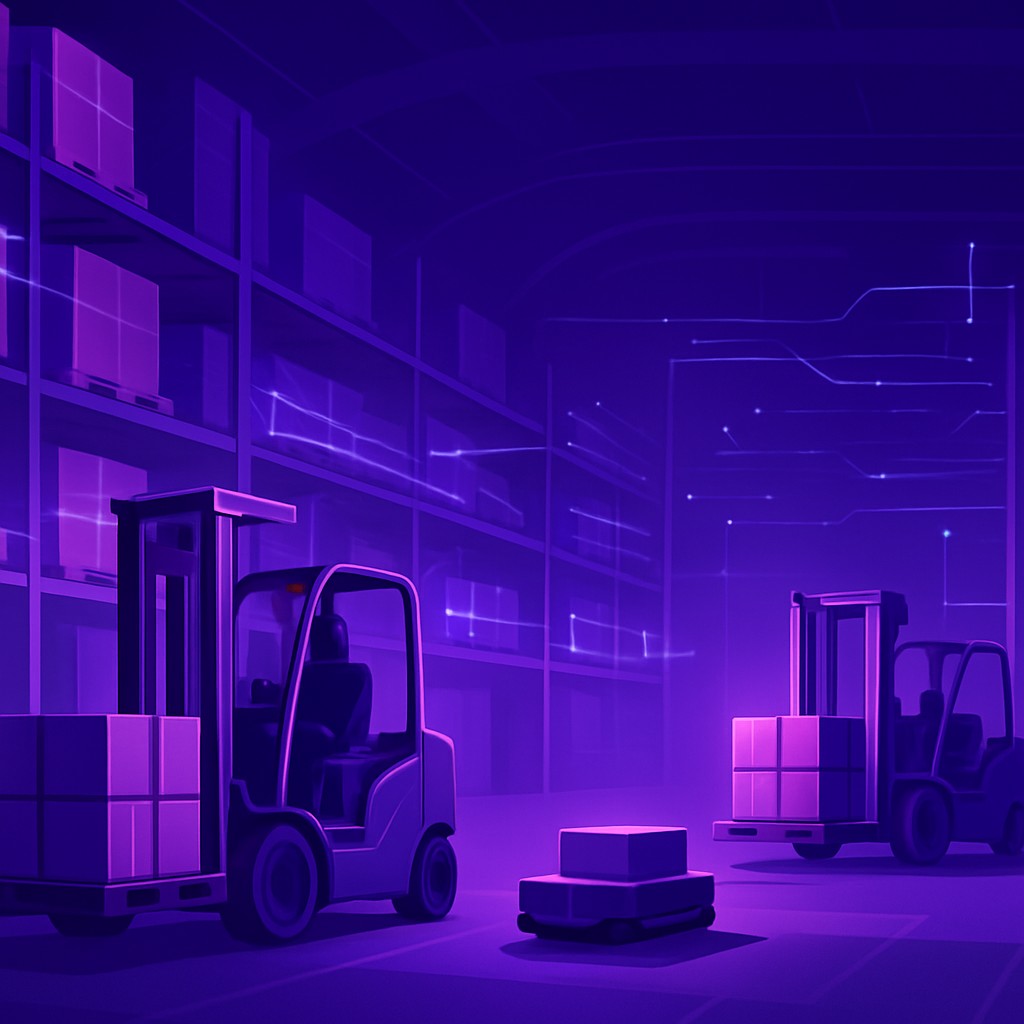
The Strategic Importance of Warehousing in Serbia
Behind every smooth supply chain lies a network of warehouses where goods are stored, sorted, and prepared for distribution. In Serbia, warehousing has evolved from simple storage into a sophisticated industry that underpins manufacturing, retail, and e-commerce. The country's central location in the Balkans, combined with its proximity to major European transport corridors, has made it an attractive base for regional distribution. As a result, demand for modern, well-equipped warehouse facilities has grown sharply in recent years.
From large multinational logistics providers to specialized domestic operators, warehousing companies in Serbia offer a spectrum of services that include storage, inventory management, order fulfillment, customs-bonded facilities, and value-added activities such as labeling and packaging. These services are essential for businesses seeking to optimize their supply chains and reach customers across the region efficiently.
What Defines a Top Warehousing Company
Leading warehousing providers offer modern facilities equipped with advanced racking systems, climate control where needed, robust security, and sophisticated warehouse management software. The ability to provide real-time inventory visibility, integrate with clients' systems, and scale capacity up or down as demand fluctuates is increasingly important. Strategic location near highways, rail links, and airports further enhances a warehouse's value, enabling fast and cost-effective distribution.
Leading Warehousing Companies in Serbia
Milšped Group is one of Serbia's largest logistics companies, operating extensive warehousing facilities alongside its freight and customs services. Its modern warehouses, equipped with advanced management systems, support clients across industries with comprehensive storage and distribution solutions.
DB Schenker Serbia combines its global logistics expertise with high-quality warehousing, offering contract logistics, distribution, and value-added services from strategically located facilities.
Kuehne+Nagel Serbia provides integrated warehousing and distribution solutions, with particular strength in managing complex supply chains for industries such as automotive, pharmaceuticals, and consumer goods.
Gebrüder Weiss Serbia operates modern logistics centers offering storage, order picking, and distribution, backed by a long European tradition of reliability and service.
DHL Supply Chain Serbia brings world-class contract logistics capabilities, helping businesses outsource their warehousing and fulfillment to a trusted global partner.
Nelt Group is a major regional distribution company with substantial warehousing infrastructure, serving the consumer goods sector with sophisticated storage and distribution networks across Serbia and the wider Balkans.
CTP and NEPI Rockcastle, as leading developers of industrial and logistics real estate, provide the modern warehouse parks that house many of these operations, offering flexible, high-standard facilities for tenants of all sizes.
Industry Trends in Serbian Warehousing
The explosive growth of e-commerce has been the single biggest driver of change, fueling demand for fulfillment centers capable of handling high volumes of individual orders quickly and accurately. This has pushed warehouses to adopt automation, including conveyor systems, automated picking, and robotics, to boost speed and reduce errors.
Technology is reshaping the industry through advanced warehouse management systems that provide real-time inventory tracking, demand forecasting, and seamless integration with clients' platforms. Sustainability is also rising in importance, with new facilities featuring energy-efficient design, solar panels, and environmentally friendly operations. Meanwhile, the development of modern logistics parks around Belgrade, Novi Sad, and other hubs is steadily raising the quality and capacity of available warehouse space.
Benefits of Professional Warehousing
Outsourcing warehousing to a professional provider offers businesses significant advantages. It frees companies from the capital costs of building and operating their own facilities, allowing them to focus on core activities. Scalable storage means businesses can adjust capacity to match seasonal demand without long-term commitments. Advanced inventory management reduces errors, prevents stockouts, and improves order accuracy, while strategic locations enable faster, cheaper distribution to customers across the region.
How to Choose a Warehousing Partner
Selecting the right warehousing company depends on the nature of the goods and the business's distribution needs. Companies handling perishable or sensitive products should prioritize climate-controlled and compliant facilities, while e-commerce businesses benefit from providers with strong fulfillment capabilities and system integration. Evaluating location, capacity, technology, security, and the provider's track record helps ensure a successful partnership. Requesting facility tours and reviewing service agreements provide further assurance.
Conclusion
Warehousing is a cornerstone of Serbia's growing logistics sector, enabling businesses to store, manage, and distribute goods efficiently across the region. The leading companies profiled here combine modern facilities, advanced technology, and strategic locations to deliver reliable, scalable solutions. As e-commerce and regional trade continue to expand, partnering with a capable warehousing provider has become essential for businesses aiming to compete and grow in the dynamic Serbian and Balkan markets.
The Future of Warehousing in Serbia
The Serbian warehousing sector is set for sustained expansion as the country cements its role as a regional logistics hub. Continued development of modern logistics parks around Belgrade, Novi Sad, and key transport corridors is steadily increasing the supply of high-standard facilities. Automation and robotics, once the preserve of the largest global operators, are becoming more accessible and will reshape how goods are stored and handled. The integration of artificial intelligence into warehouse management systems promises smarter demand forecasting, optimized space utilization, and faster fulfillment. Sustainability will become a defining priority, with green buildings, renewable energy, and energy-efficient operations increasingly standard. As Serbia advances toward deeper integration with European markets, businesses that secure modern, well-located, and technologically advanced warehousing will gain a significant competitive edge, positioning themselves to serve the entire Balkan region with speed and efficiency.