
Why Roofing Is a High-Stakes Investment in West Michigan
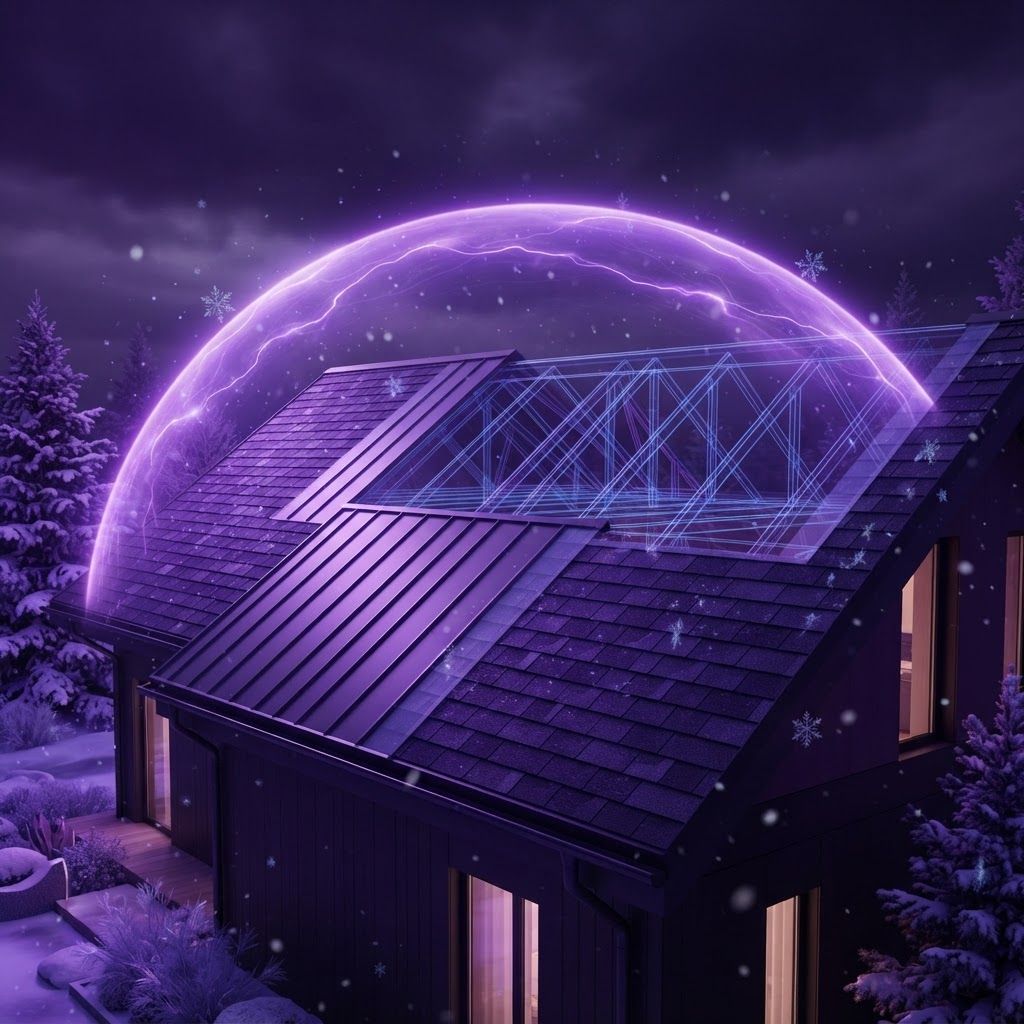
A roof in Grand Rapids works harder than a roof in most American cities. It carries accumulated snow through long winters, endures repeated freeze-thaw cycles that drive ice into seams, absorbs lake-effect wind and precipitation off Lake Michigan, and then faces summer heat and UV exposure. The combination shortens material life and punishes poor installation quickly.
Ice dams are the signature local failure. When heat escapes into an attic, snow melts at the roof deck, runs down to the cold eave, and refreezes, forcing water back under shingles. That is fundamentally an insulation and ventilation problem expressed as a roofing symptom, which is why the best local contractors evaluate the whole assembly rather than only the surface.
The Ten Roofing Specialties Serving Grand Rapids
1. Asphalt Shingle Roofing Contractors
Architectural asphalt shingles remain the dominant residential material because of cost, appearance, and repairability. Quality outcomes depend on proper ice and water shield coverage at eaves and valleys, correct nailing pattern, adequate underlayment, and manufacturer-approved ventilation. Certified installers can offer extended system warranties that standard installations cannot.
2. Metal Roofing Specialists
Standing seam and metal shingle systems have gained significant traction locally. Metal sheds snow efficiently, resists ice damage, and commonly lasts several decades. Installation demands precision in panel layout, expansion accommodation, and flashing detail, so experience with the specific system matters more than general roofing tenure.
3. Flat and Low-Slope Commercial Roofers
Commercial buildings across the region use TPO, EPDM, PVC, and modified bitumen systems. Low-slope roofing lives or dies on drainage design, seam integrity, and penetration flashing. Contractors in this space also handle rooftop equipment curbs, walkway pads, and maintenance programs that extend service life substantially.
4. Roof Repair and Leak Detection Services
Not every problem requires replacement. Repair specialists locate leaks through moisture scanning, attic inspection, and water testing, then address failed flashing, cracked boots, damaged valleys, or storm-lifted shingles. Accurate diagnosis prevents the common mistake of replacing a sound roof to fix a flashing failure.
5. Storm Damage and Insurance Restoration Roofers
Wind and hail events generate claims across West Michigan. Restoration contractors document damage thoroughly, work with adjusters, and complete repairs to policy scope. Reputable firms in this category emphasize honest assessment rather than pressuring homeowners into unnecessary claims.
6. Gutter, Downspout, and Drainage Contractors
Water management does not end at the roof edge. Properly sized seamless gutters, adequate downspout capacity, and discharge routed well away from the foundation protect basements and foundations. Gutter guards can help with leaf load but must be selected carefully so they do not worsen ice accumulation.
7. Attic Insulation and Ventilation Specialists
Because ice dams and shortened shingle life both trace back to attic conditions, contractors who address air sealing, insulation depth, and balanced intake and exhaust ventilation deliver outsized value. A roof replacement without correcting attic performance repeats the same failure a few winters later.
8. Slate, Tile, and Specialty Roofing Craftsmen
Historic Grand Rapids neighborhoods contain slate and clay tile roofs requiring craftsmen who can source matching material and perform selective repair. These roofs can last a century or more when maintained by someone who understands the material rather than defaulting to replacement.
9. Green Roof and Solar-Integrated Roofing Contractors
Sustainability-driven projects increasingly combine roofing with solar arrays or vegetated assemblies. Contractors in this niche coordinate structural capacity, waterproofing under mounting systems, and warranty alignment between roofing and solar providers, which is essential to avoid coverage gaps.
10. Roof Maintenance and Inspection Programs
Preventive programs extend roof life significantly for both commercial and residential buildings. Scheduled inspections catch sealant failure, debris accumulation, and minor flashing issues before they become interior damage. For commercial owners, documented maintenance is often a warranty condition.
Choosing Materials for the Michigan Climate
Ice and water shield coverage should extend well past the interior wall line at eaves, and valleys and penetrations should be protected as well. Shingle wind ratings matter in exposed areas near the lakeshore. Ventilation should be balanced, with sufficient soffit intake matched to ridge exhaust; adding exhaust without intake can actually pull conditioned air from the house.
Metal is worth serious consideration for steep roofs where snow shedding is desirable, though snow retention devices may be needed above entries and walkways. For low-slope areas, insulation value and drainage slope should be addressed during any full replacement rather than deferred.
Evaluating a Roofing Contractor
Confirm licensing, general liability, and workers compensation coverage, and request certificates directly from the insurer. Ask about manufacturer certifications, which enable stronger warranties. Review the proposal for specifics: underlayment type, ice shield coverage, ventilation changes, flashing replacement, decking allowance, and cleanup provisions.
Be cautious with unsolicited door-to-door offers following storms, large upfront deposits, and pressure to sign immediately. Established local contractors with a physical presence and a multi-year track record are far more likely to honor warranty claims years later.
Final Thoughts
Roofing in Grand Rapids is a systems problem, not a surface problem. The best contractors address ventilation, insulation, flashing, and drainage alongside the visible material. Choose based on documented installation detail, manufacturer certification, insurance verification, and a proposal that spells out exactly what will be done. A properly installed and ventilated roof will handle West Michigan winters for decades.