
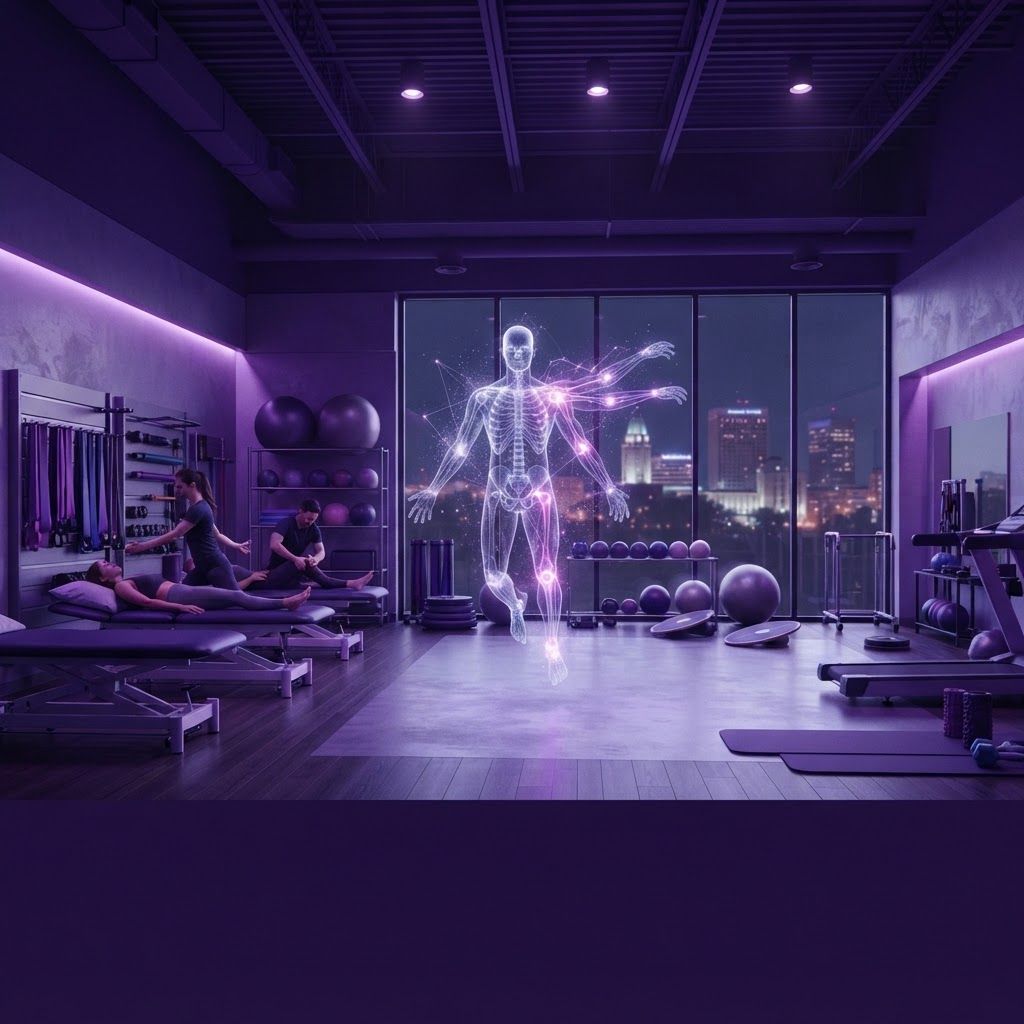
What Physical Therapy Actually Does
Physical therapy is frequently misunderstood as a set of exercises handed out after surgery. In practice it is a clinical discipline built on movement assessment, manual treatment, progressive loading and education. A skilled therapist identifies why a problem occurred, not only where it hurts, and addresses the movement patterns, strength deficits and mobility restrictions that produced it.
Research consistently shows that physical therapy resolves many musculoskeletal conditions as effectively as surgery, at lower cost and lower risk, particularly for back pain, rotator cuff problems and knee osteoarthritis. Michigan allows patients direct access to physical therapy without a physician referral for a defined period, though insurance plans may still require one for coverage.
The Top 10 Physiotherapy Centers in Grand Rapids
1. Mary Free Bed Rehabilitation Hospital
Mary Free Bed is the region's flagship rehabilitation organization and one of the most respected in the country. Its outpatient therapy services cover neurological rehabilitation after stroke and brain injury, spinal cord injury programs, orthopedic recovery, pediatric therapy and specialized services including orthotics, prosthetics and wheelchair seating. The depth of subspecialization is unusual outside major academic centers.
2. Corewell Health Rehabilitation Services
Corewell Health operates outpatient physical therapy clinics throughout the Grand Rapids area, integrated with orthopedic surgery, neurology and sports medicine. Integration streamlines communication between surgeon and therapist, which improves protocol adherence during post-surgical recovery.
3. Trinity Health Rehabilitation
Trinity Health provides physical, occupational and speech therapy across multiple locations, serving both post-acute recovery and chronic condition management. Its therapists work closely with the health system's orthopedic and neurological services.
4. Orthopaedic Associates of Michigan Physical Therapy
Therapy programs attached to orthopedic practices offer tight coordination between the surgeon performing a procedure and the therapist guiding recovery. For complex shoulder, knee and spine cases, that direct communication reduces uncertainty about progression timelines.
5. Grand Rapids Sports Medicine and Performance Centers
Sports-focused clinics treat athletes at every level, combining injury rehabilitation with return-to-sport testing and performance training. The distinguishing feature is objective criteria for clearance rather than time-based guessing, which significantly reduces reinjury rates.
6. Pinnacle Physical Therapy
Independent outpatient clinics like this typically emphasize one-on-one treatment time with the same therapist throughout a course of care. Continuity matters because progression decisions depend on subtle observations that are easy to lose when patients rotate between providers.
7. Pelvic Health and Women's Physical Therapy Practices
Pelvic floor physical therapy addresses incontinence, pelvic pain, postpartum recovery and related conditions. This is a specialized area requiring specific training, and demand in Grand Rapids has grown substantially as awareness has increased. Treatment outcomes are often excellent for conditions patients assumed were permanent.
8. Hand Therapy and Occupational Rehabilitation Centers
Certified hand therapists treat injuries and conditions of the hand, wrist and elbow, including post-surgical recovery, tendon injuries and nerve compression. Custom splinting and highly specific exercise progression make this a distinct discipline within therapy.
9. Pediatric Therapy Centers
Pediatric physical therapy supports children with developmental delays, cerebral palsy, torticollis, coordination disorders and post-surgical recovery. Treatment is delivered through play-based approaches suited to how children learn movement, and family education is central to progress.
10. Vestibular and Balance Rehabilitation Programs
Vestibular therapy treats dizziness, vertigo and balance disorders. Certain conditions, particularly benign paroxysmal positional vertigo, respond to specific repositioning maneuvers with remarkable speed. Balance programs for older adults also meaningfully reduce fall risk, which is one of the highest-value interventions in geriatric care.
What to Expect From Treatment
The initial evaluation should be thorough, typically running forty-five to sixty minutes. Expect a detailed history, movement testing, strength and range of motion measurement and assessment of how the problem affects daily activities. The therapist should explain their findings in plain language and set specific goals with you.
Subsequent sessions typically combine manual therapy, therapeutic exercise, neuromuscular retraining and education. Frequency usually starts at two or three visits weekly and decreases as independence grows.
Home exercise is where most progress actually happens. Clinic time provides assessment and progression, but tissue adaptation requires consistent loading between visits. Patients who complete home programs reliably improve substantially faster.
Getting the Best Results
Be specific about your goals. Returning to running, lifting a grandchild or working an eight-hour shift without pain are actionable targets. Vague goals produce vague programs.
Report honestly. Therapists adjust based on your response, and understating pain or overstating home compliance leads to poor decisions.
Ask why each exercise is prescribed. Understanding purpose improves adherence dramatically.
Expect some discomfort during progression, but distinguish productive challenge from sharp or worsening pain and communicate the difference.
Insurance and Access Considerations
Verify visit limits, which many plans cap annually. Confirm copay amounts, since therapy involves frequent visits and costs accumulate quickly. Ask whether the clinic offers cash-pay rates, which sometimes cost less than high copays under a deductible plan.
Under Michigan direct access provisions you may begin therapy without a referral, but confirm how your specific insurance treats that before starting.
Trends in Rehabilitation
Objective measurement has expanded significantly, with force plates, motion analysis and standardized outcome measures replacing subjective judgment for return-to-activity decisions. Telehealth supports home program supervision and follow-up between in-person visits.
Prevention programs, particularly for workplace ergonomics and youth sports injury reduction, continue to grow as employers and clubs recognize the cost of preventable injuries.
Final Thoughts
Grand Rapids offers rehabilitation resources with genuine national standing, particularly in neurological and complex rehabilitation. Choosing a clinic whose specialization matches your condition, committing to the home program and communicating clearly with your therapist will determine your outcome far more than the equipment in the gym.