
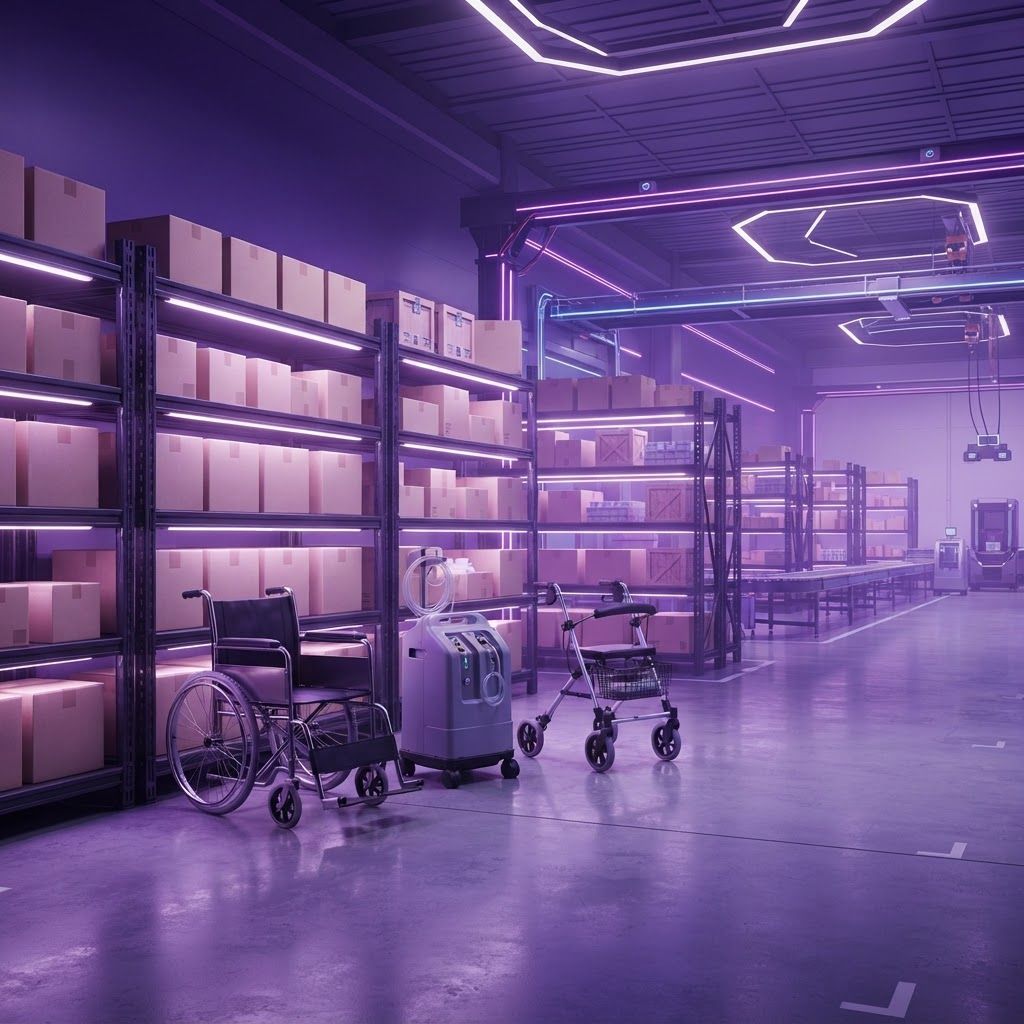
Why Medical Supply Access Matters in the West Valley
Durable medical equipment rarely receives much attention until a family suddenly needs it. A hospital discharge after hip surgery, a new oxygen prescription, a progressive mobility condition or a decision to care for a parent at home all create immediate, practical needs: a hospital bed, a wheelchair, a walker, a bathroom safety rail, a continuous positive airway pressure machine or ongoing wound care supplies.
Surprise has a particularly high concentration of such needs because of its demographic profile, and the local supply market has developed accordingly. Providers here range from national respiratory and equipment networks to small independent showrooms and mobility specialists who handle home assessment and installation.
The Top 10 Medical Supply Companies Serving Surprise
1. Desert Medical Equipment and Supply
A full-service durable medical equipment provider offering wheelchairs, walkers, hospital beds, lift chairs, bathroom safety equipment and daily living aids. Their strength is a physical showroom where equipment can be tested before purchase, which prevents the common problem of ordering an ill-fitting device online.
2. West Valley Home Oxygen and Respiratory
Specialists in oxygen concentrators, portable oxygen systems, nebulisers, continuous positive airway pressure machines and associated supplies. Respiratory equipment requires ongoing service, supply replacement and clinical setup instruction, making a provider with responsive local support genuinely important.
3. Surprise Mobility Solutions
Focused on mobility equipment including power wheelchairs, mobility scooters, manual chairs and custom seating. They conduct in-home assessments to confirm that equipment fits doorways, turning spaces and thresholds, a step that inexperienced buyers routinely skip and later regret.
4. Sonoran Home Health Supply
Consumable supplies for home care including wound dressings, incontinence products, catheters, gloves, nutritional supplements and diabetic testing supplies. Recurring delivery programmes remove the need to reorder each month, which reduces gaps in essential supply.
5. Arizona Prosthetics and Orthotics
Custom bracing, orthotic devices, prosthetic limbs and diabetic footwear, with fitting and adjustment handled by certified practitioners. Custom fitting is not a retail transaction, and the quality of the practitioner has a direct effect on comfort and function.
6. Grand Avenue Medical Rentals
Short-term equipment rental covering knee scooters, wheelchairs, crutches, hospital beds and lift equipment. Rental makes obvious sense for temporary needs such as post-surgical recovery, where buying equipment that will be used for six weeks is wasteful.
7. Home Accessibility and Safety Modifications
Contractors and specialists installing grab bars, ramps, stair lifts, walk-in showers, raised toilets and widened doorways. Home modification is one of the most effective interventions for preventing falls and allowing residents to remain in their homes longer.
8. Diabetic Supply Specialists of the West Valley
Continuous glucose monitors, insulin pumps, testing supplies, diabetic footwear and related education. Given regional diabetes prevalence, focused expertise in insurance navigation for these products saves patients considerable money and administrative effort.
9. National Pharmacy Chain Medical Supply Departments
Major pharmacy retailers in Surprise carry a practical selection of everyday medical supplies including blood pressure monitors, braces, compression stockings, mobility basics and first aid. Convenient for immediate needs, though selection and fitting expertise are limited compared with dedicated providers.
10. Online Medical Supply Retailers With Local Delivery
National e-commerce providers shipping to Surprise, offering broad selection and competitive pricing on consumables. Best suited to repeat purchases of items you have already been fitted for, rather than first-time purchases of equipment requiring sizing.
Insurance Coverage and Documentation
Durable medical equipment coverage is one of the more confusing areas of health insurance. Most plans, including Medicare, cover equipment deemed medically necessary, but the documentation requirements are strict. You will generally need a physician order specifying the equipment and diagnosis, and for certain items, documentation of a face-to-face clinical encounter within a defined period.
Crucially, the supplier must be enrolled and accredited with your insurer. Purchasing from a non-participating supplier means paying entirely out of pocket, even for equipment that would otherwise be covered. Always confirm participation before ordering.
Some items are covered as rentals rather than purchases, with ownership transferring after a set number of monthly payments. Understanding which model applies affects both cost and what happens if the equipment is no longer needed.
Renting Versus Buying
Rental is the sensible choice for temporary needs, for trialling equipment before committing, and for items requiring regular servicing such as oxygen concentrators. Purchase makes sense for long-term or permanent needs, for highly customised equipment and for inexpensive items where rental administration outweighs the cost.
For power mobility equipment in particular, a trial period is valuable. Manoeuvrability inside a specific home, battery range for typical outings and transportability in the household vehicle are all things that only become apparent in real use.
Choosing the Right Equipment
Fit matters enormously. A wheelchair that is too wide will not pass through a bathroom door. A walker set at the wrong height causes back and shoulder strain. A lift chair with insufficient weight capacity is unsafe. Working with a supplier who measures, assesses the home and adjusts equipment on delivery prevents these problems entirely.
Ask about service and repair. Equipment fails, and a provider with local technicians who can respond within a day or two is worth considerably more than one offering a slightly lower price with no service capability. For oxygen equipment especially, response time is a safety consideration.
Climate-Specific Considerations
Arizona heat affects equipment. Battery performance in power wheelchairs and scooters degrades in extreme temperatures, and batteries should not be stored in vehicles or unconditioned garages. Oxygen concentrators require adequate ventilation and perform better in cooled spaces. Backup power planning matters for anyone dependent on electrically powered medical equipment, since summer outages carry real risk.
Discuss these factors with your supplier. Experienced local providers raise them without prompting, which is a useful indicator of competence.
Final Thoughts
Surprise is well served by durable medical equipment providers covering mobility, respiratory, consumable supplies, custom orthotics and home accessibility. The decisions that matter most are confirming insurance participation before purchase, prioritising proper fitting and home assessment over price alone, and choosing a supplier with genuine local service capability. Getting those right keeps people safer and more independent at home.