
What Makes Furniture Shopping Different in the Valley
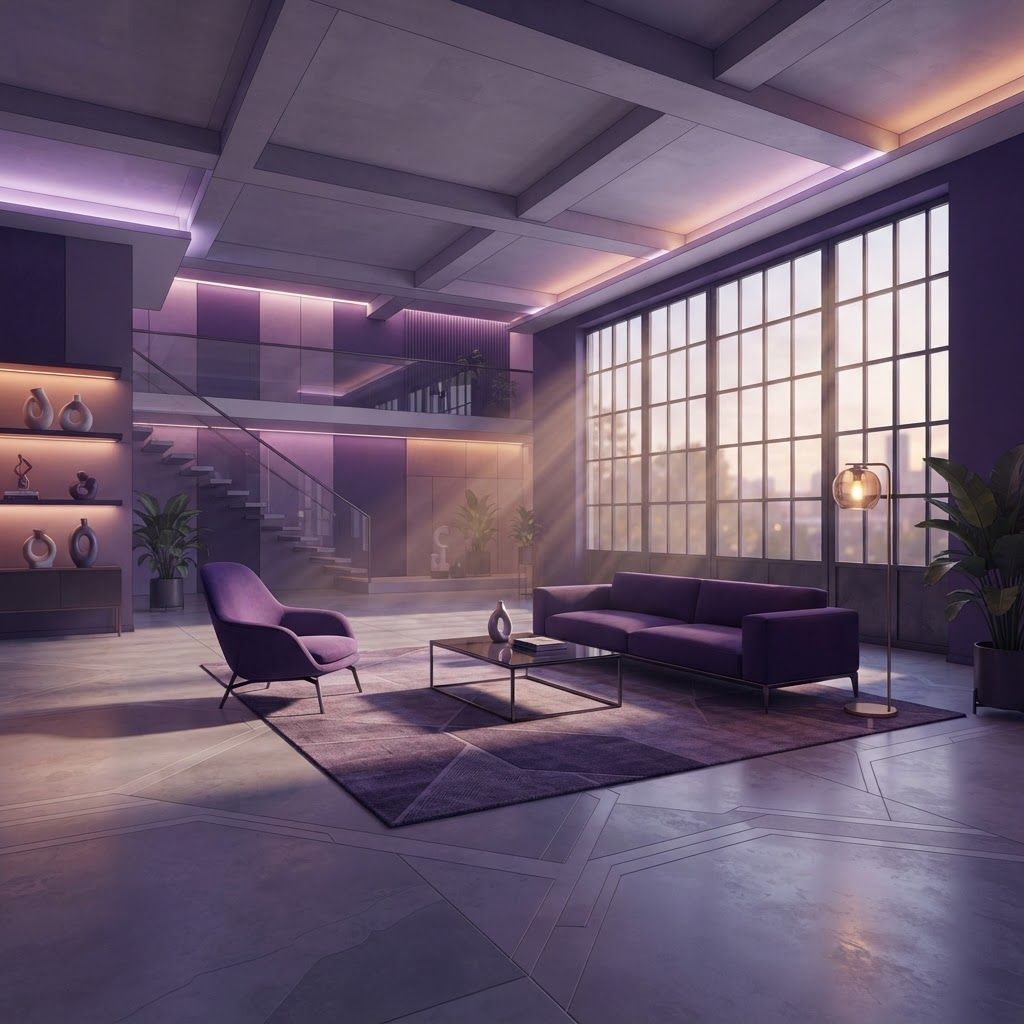
Santa Clarita housing stock skews toward newer construction with open floor plans, generous ceiling heights and significant indoor-outdoor transition space. That shapes furniture demand in specific ways. Open layouts require pieces that define zones without walls, which puts a premium on sectional configurations, area rugs and consoles used as dividers. High ceilings demand appropriately scaled pieces, since standard-height furniture can look undersized. And year-round outdoor living makes patio furniture a primary rather than seasonal purchase.
Climate matters too. Intense sun exposure fades textiles and degrades finishes faster than in milder regions, so UV-resistant outdoor fabrics and quality finishes on window-adjacent pieces are practical necessities rather than upgrades. Local shoppers who account for this early avoid replacing pieces prematurely.
The Ten Furniture Retailers Leading the Market
Ashley HomeStore serves as the volume anchor for the region, offering complete room packages across living, dining and bedroom categories at accessible pricing. Its strength is one-stop convenience with financing options and coordinated collections, which suits households furnishing an entire home on a defined timeline rather than accumulating pieces gradually.
Living Spaces competes strongly through showroom experience and delivery execution. Its large-format stores present fully styled room settings that help buyers visualize scale, and its logistics operation is unusually reliable for the category. In-house design consultation at no additional cost has become a meaningful differentiator.
Pottery Barn occupies the elevated classic segment, with substantial upholstery, solid-wood case goods and a coherent transitional aesthetic. Its custom upholstery program, allowing fabric, cushion and configuration selection, appeals to buyers investing in pieces intended to last a decade or more.
West Elm serves modern and mid-century tastes with cleaner lines and smaller footprints. Its scale suits apartments and secondary rooms well, and the brand's stated commitments around responsibly sourced wood and fair-trade production resonate with buyers who consider sourcing alongside design.
Crate and Barrel blends contemporary design with reliable construction and a strong housewares assortment. Its dining and entertaining categories are particularly deep, making it a common destination for households that host frequently and want coordinated furniture and tabletop selections.
Arhaus targets the premium tier with artisanal materials, reclaimed woods, hand-applied finishes and substantial upholstery scaled well for larger valley homes. Buyers choose it for texture and craft character rather than trend currency, and its pieces tend to anchor rooms rather than fill them.
IKEA remains essential for budget-conscious furnishing, particularly for first apartments, children's rooms, home offices and storage solutions. Its space-efficient engineering solves real problems, and while durability varies by line, the value proposition for transitional life stages is difficult to beat.
Bassett Furniture emphasizes made-to-order customization with domestic manufacturing on many lines. Customers select frames, finishes, fabrics and dimensions, which allows precise fitting to unusual room proportions. Lead times are longer, but the result addresses situations where standard sizing fails.
Mor Furniture for Less covers the value-to-mid segment with broad inventory and frequent promotional pricing. Its practical advantage is availability, with much of its assortment in stock for quick delivery rather than requiring multi-week ordering, which matters for urgent furnishing needs.
Local independent furniture and mattress retailers throughout the valley complete the list. These businesses compete on personal service, willingness to source specific pieces, flexible delivery scheduling and genuine product knowledge. For mattresses especially, the ability to test extensively with unhurried guidance produces better outcomes than online-only purchasing.
Trends Shaping Furniture Buying
Multifunctional furniture has moved firmly into the mainstream. Storage ottomans, extendable dining tables, sleeper sectionals, nesting tables and desks that close into cabinetry reflect households using single rooms for multiple purposes. Buyers increasingly evaluate pieces on how many functions they serve.
Material honesty has become a differentiator. Consumers ask about frame construction, joinery method, cushion fill density and whether wood is solid, veneered or engineered. Retailers who disclose specifications clearly build trust, and those specifications are the best available predictor of how a piece will look after five years of use.
Sustainability considerations now extend across sourcing, low-emission finishes, recycled textiles and end-of-life recycling programs. Alongside that, a robust secondhand and vintage market has grown, and mixing new anchor pieces with vintage accents has become a widely accepted design approach rather than a budget compromise.
Practical Buying Guidance
Measure everything before shopping, including doorways, stairwells, hallway turns and ceiling height. Delivery failures caused by access constraints are common and entirely avoidable. Tape out the footprint of large pieces on your floor to evaluate circulation space realistically.
For upholstery, ask about frame material, joinery and cushion composition. Kiln-dried hardwood frames with corner-block joinery and high-resiliency foam cost more initially but survive far longer than softwood frames with staple construction. Request fabric durability ratings, and for sun-exposed or high-traffic rooms, choose performance textiles engineered for fade and stain resistance.
Clarify delivery terms in writing: cost, assembly inclusion, packaging removal, damage claim process and lead-time estimates. Then confirm the return policy on custom orders, which are frequently non-returnable and warrant additional certainty before committing.
Final Thoughts
Santa Clarita's furniture market spans genuine budget solutions to premium custom manufacturing, which means most households can furnish well without leaving the valley. Prioritize construction quality on the pieces you use daily, spend less on transitional items, and account for the local climate when selecting textiles and finishes. Those three decisions determine whether furniture lasts years or decades.