
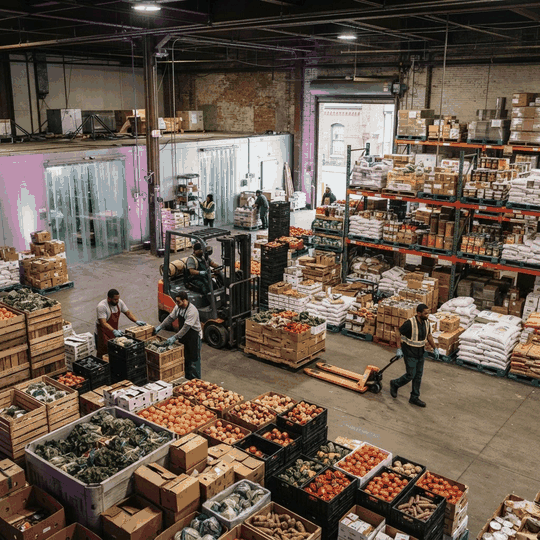
Feeding Detroit Through Wholesale Distribution
Detroit's rich culinary culture, from beloved neighborhood restaurants to bustling markets, depends on a strong network of food wholesalers. These distributors supply restaurants, grocers, caterers, and food service operators with fresh produce, meats, dairy, pantry staples, and specialty products. Anchored by institutions like the historic Eastern Market district, Detroit's food distribution ecosystem is both vibrant and essential, ensuring that businesses throughout the region have consistent access to quality ingredients.
Food wholesalers serve as the critical link between producers and the businesses that transform ingredients into meals, making reliability and product quality paramount.
Products and Distribution Services
Food wholesalers in Detroit offer extensive product ranges to meet the needs of diverse customers. Fresh produce, proteins, dairy, dry goods, beverages, and specialty items form the core of most inventories. Many wholesalers also carry ethnic and specialty products, reflecting Detroit's diverse population and culinary traditions.
Distribution services are equally important. Reliable delivery scheduling, cold chain management, and order accuracy directly impact restaurant and grocery operations. Leading wholesalers invest in refrigerated logistics and efficient fulfillment to ensure freshness and consistency, helping their customers maintain quality and control costs.
The Role of Regional Distributors
Detroit's food wholesale market includes a mix of broadline distributors that carry comprehensive inventories and specialized suppliers that focus on categories such as produce, seafood, or ethnic foods. Directories that list verified distributors help buyers identify reputable partners across food, general merchandise, and related categories in the Detroit area.
This combination of broadline and specialty distribution gives Detroit food businesses flexibility. Restaurants can source most needs from a single broadline partner while turning to specialists for unique or premium items that differentiate their menus.
Trends in Food Wholesaling
The food distribution sector is evolving in response to changing consumer preferences and operational demands. Interest in local, sustainable, and traceable sourcing continues to grow, prompting wholesalers to expand relationships with regional farms and producers. Detroit's Eastern Market tradition reinforces this local-sourcing ethos.
Technology is also transforming the industry, with online ordering platforms, inventory management tools, and route optimization improving efficiency and transparency. Meanwhile, food safety and supply chain resilience remain top priorities, driving investment in cold chain infrastructure and quality assurance.
Choosing a Food Wholesaler
Selecting the right food wholesaler depends on a business's menu, volume, and service requirements. Restaurants may prioritize product quality and delivery reliability, while grocers focus on assortment and pricing. Evaluating a wholesaler's product range, logistics capabilities, and food safety practices helps ensure a dependable partnership.
Detroit's food wholesalers form the backbone of the region's culinary economy. With diverse inventories and strong distribution capabilities, they keep restaurants, grocers, and food service businesses well supplied and ready to serve the community.
A Practical Evaluation Checklist
Before requesting a quote, define the specifications that matter most to the project. Quantity, dimensions, materials, acceptable tolerances, packaging requirements, delivery windows, and budget should be documented clearly. A detailed brief helps a potential partner recommend the right process or product tier and produces quotations that are easier to compare. Buyers should also ask whether minimum order quantities apply, how samples or prototypes are handled, and which costs are included in the initial estimate. Clear expectations at this stage reduce revisions, prevent delays, and support a more accurate total cost of ownership.
Quality assurance deserves equal attention. Ask prospective companies how they inspect incoming materials, monitor work in progress, document finished goods, and resolve nonconforming orders. Relevant certifications can be useful, but buyers should also look for practical evidence of consistency, such as organized facilities, traceable processes, knowledgeable staff, and examples of comparable work. References from customers in a similar industry can reveal how a company communicates when schedules change or unexpected challenges arise. The strongest partners are transparent about both their capabilities and their limitations.
Why Local Sourcing Can Add Value
Working with a Detroit-area business can offer advantages beyond civic pride. Shorter transportation distances may simplify delivery planning, reduce freight exposure, and make in-person reviews more practical. For customized orders, proximity can improve collaboration during sampling, color or material approval, and final inspection. Local relationships may also make replenishment faster when demand changes unexpectedly. These benefits are especially valuable for small and midsize organizations that need attentive service rather than a rigid, one-size-fits-all purchasing program.
Price should remain important, but the lowest unit quote is not always the lowest overall cost. Freight, lead time, defect rates, replacement policies, payment terms, and administrative effort all affect value. A dependable regional partner that delivers consistent goods may protect revenue and staff time more effectively than a distant source with a slightly lower headline price. Buyers can improve decision-making by comparing landed cost, service responsiveness, and operational risk together.
Building a Productive Long-Term Relationship
After selecting a company, establish a simple communication rhythm and identify contacts for sales, operations, and issue resolution. Share realistic forecasts when possible, confirm major changes in writing, and review performance after early orders. Constructive feedback helps the supplier understand priorities and improve future service. In return, a strong partner can flag supply constraints, recommend alternatives, and suggest efficiencies before they become urgent problems. Detroit's industrial and entrepreneurial culture rewards this collaborative approach, turning a routine transaction into a resilient business relationship that can support growth over many years.