
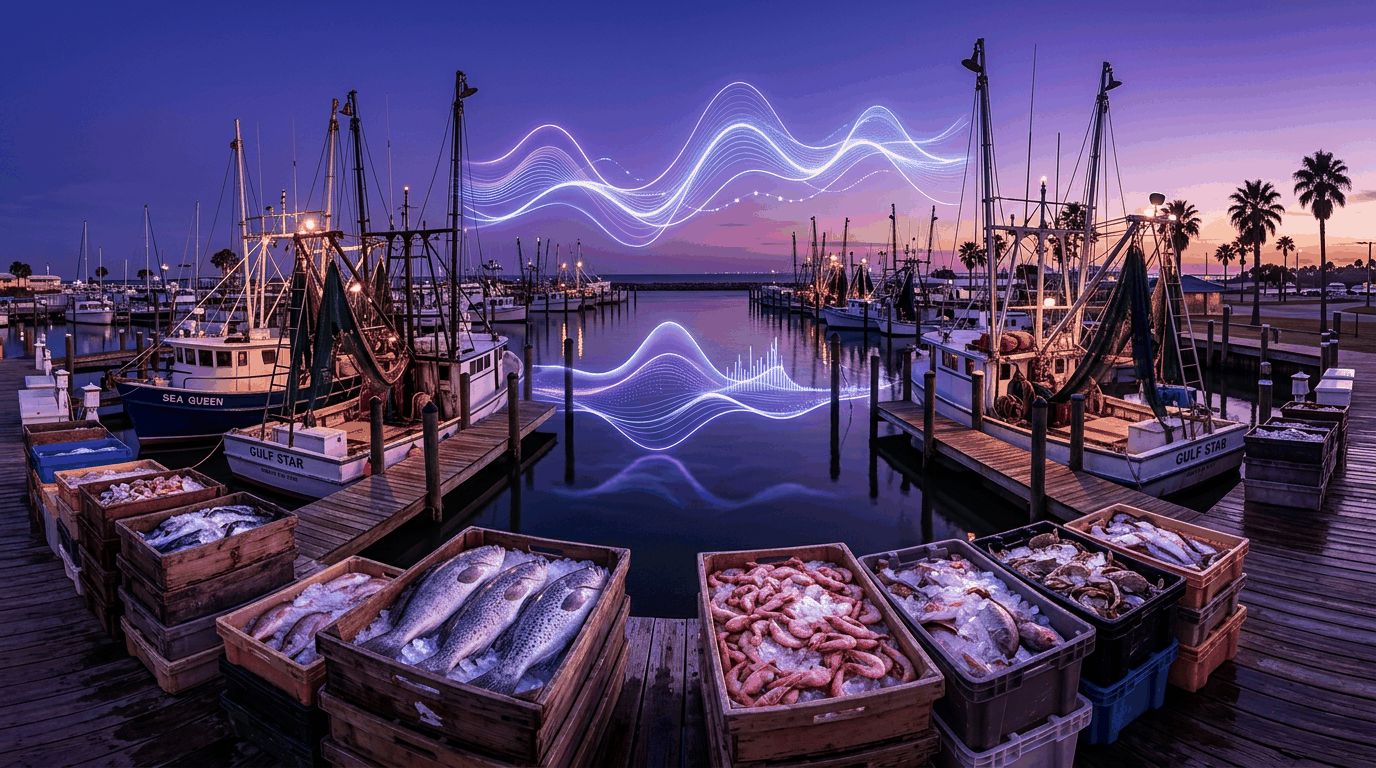
Clearwater's Proud Seafood Heritage
Few places in Florida are as closely connected to the sea as Clearwater. The Clearwater Marina, the historic docks of Tarpon Springs, and the working waterfronts of Madeira Beach have supported commercial fishing for generations. The Gulf of Mexico provides a rich bounty of grouper, red snapper, amberjack, mullet, shrimp, and stone crab that ends up on plates across the country.
Fishery companies play an essential role in this ecosystem. They harvest, process, and distribute seafood while complying with strict federal and state regulations designed to protect fish populations. For Clearwater restaurants, which proudly advertise fresh Gulf grouper sandwiches and local catch specials, a reliable fishery partner is a key ingredient of success.
How We Evaluated These Companies
We focused on fishery companies, seafood processors, and distributors serving Clearwater and the Tampa Bay coast. Criteria included freshness, sustainability practices, product range, traceability, and reputation among chefs and consumers.
The Top 10 Fishery Companies Serving Clearwater
1. Wild Seafood Company
Operating from the Madeira Beach waterfront, this seafood business is known for Gulf grouper and snapper landed by commercial boats at its own dock. Restaurants and home cooks in Clearwater trust its quality and direct-from-boat freshness.
2. Frenchy's Seafood Operations
Associated with a beloved Clearwater Beach restaurant family, this operation has long sourced local grouper and stone crab to serve signature dishes. Its emphasis on local catch has helped define Clearwater's seafood identity.
3. Tarpon Springs Sponge Docks Seafood Merchants
The historic Tarpon Springs waterfront, just north of Clearwater, is home to multiple seafood operations rooted in Greek fishing traditions. These merchants supply fresh fish and Gulf shrimp to local markets and eateries.
4. Save On Seafood
A well-known Tampa Bay seafood market, Save On Seafood offers fresh fish, shellfish, and prepared items. Its retail approach makes it popular with home cooks seeking restaurant-quality ingredients at fair prices.
5. Cedar Key Aquaculture Farms
Located farther north on the Gulf Coast, Cedar Key's clam farming operations are among the largest in the nation. Their farm-raised hard clams frequently appear on Clearwater menus and in local seafood markets.
6. Sysco Seafood
For large hospitality groups and resorts on Clearwater Beach, Sysco's seafood division offers scale, frozen and fresh options, nationwide sourcing, and dependable local delivery.
7. Gulf Wild Partner Fleets
Gulf Wild is a conservation-focused program in which participating fishermen tag each fish so buyers can trace it back to the boat and area of harvest. Clearwater restaurants use these traceable fish to reassure diners about sustainability.
8. Independent Captain-Owned Seafood Markets
Independent captain-owned markets scattered across Pinellas County sell their daily catch directly to consumers. These small operators offer some of the freshest fish available and a personal connection to the Gulf.
9. Florida Shrimp Harvesters
Gulf shrimp harvesters operating along Florida's west coast supply pink and white shrimp to processors and restaurants. Their wild-caught product is prized for sweetness compared with imported farmed shrimp.
10. Stone Crab Fisheries of the Gulf Coast
During the October to May season, licensed stone crab fishermen supply claws that are a Florida delicacy. Their sustainable harvest practice, in which crabs are returned to the water to regrow claws, makes this fishery a model of renewable seafood.
Choosing a Seafood Supplier
Freshness is everything. Ask suppliers how quickly seafood moves from boat to delivery, and whether they maintain consistent cold temperatures throughout transport. Traceability is also important. Many diners now want to know whether their grouper was caught in the Gulf and how it was harvested.
Sustainability certifications and compliance with NOAA Fisheries regulations help protect the long-term health of Gulf ecosystems. Choose companies that respect seasonal closures and catch limits, and that offer alternative species when certain fish are out of season.
Trends in the Gulf Seafood Industry
The Gulf seafood industry is embracing technology, including electronic monitoring and digital traceability platforms. Aquaculture is expanding to meet growing demand, while restaurants are promoting underutilized species such as triggerfish and invasive lionfish to diversify menus. Red tide events and hurricanes remain challenges, encouraging fishery companies to strengthen supply resilience and diversify sourcing.
Understanding Gulf Species and Seasons
Knowing which species are in season helps both restaurants and home cooks get the best quality and value. Gag and red grouper are Clearwater icons, but their availability depends on federal and state seasons that change from year to year. Red snapper seasons are similarly regulated, while species such as mullet, mackerel, and amberjack offer excellent alternatives during closures.
Shellfish follows its own calendar. Stone crab season runs from mid-October through early May, making autumn an exciting time for seafood lovers along the Gulf Coast. Gulf shrimp are harvested much of the year, with peak availability varying by species and region. Farm-raised clams and oysters provide consistent supply regardless of wild harvest restrictions.
Fishery companies that educate buyers about these cycles add tremendous value. They help chefs plan menus, suggest substitutions, and explain why prices rise or fall. For consumers, asking the fishmonger what came in fresh today is often the best way to enjoy truly local seafood while supporting sustainable harvest practices in the Gulf of Mexico.
Conclusion
Clearwater's identity is closely tied to its waters, and the fishery companies on this list keep that heritage alive. By choosing responsible, high-quality seafood suppliers, restaurants and consumers can enjoy the Gulf's finest flavors while supporting a sustainable local industry for generations to come.