
Why Everett Is a Strategic Warehousing Location
Everett occupies a valuable position in the Pacific Northwest supply chain. The Port of Everett is a deepwater international port that handles oversized cargo, including aerospace components. Interstate 5 provides direct access to Seattle, Vancouver in British Columbia, and markets along the West Coast, while nearby rail lines connect to the rest of North America. These advantages make the area attractive for manufacturers, distributors, and e-commerce sellers.
Choosing the right warehousing partner can reduce costs, speed up fulfillment, and improve inventory accuracy. Modern providers offer far more than storage space. They deliver inventory management software, pick-and-pack fulfillment, cross-docking, temperature-controlled storage, and integrated transportation. Here are ten warehousing companies and logistics providers that serve Everett businesses.
The Top 10 Warehousing Companies Serving Everett
1. Port of Everett
The Port of Everett offers marine terminals, laydown areas, and cargo handling for oversized and heavy shipments. It plays a key role in moving aerospace parts and industrial equipment. Businesses that import or export through the port benefit from close coordination between marine operations and nearby storage facilities.
2. Expeditors
Expeditors, headquartered in Seattle, is a global logistics company that provides customs brokerage, freight forwarding, and distribution services. Its warehousing solutions are well suited for companies with complex international supply chains, offering visibility and compliance expertise that reduce risk.
3. GXO Logistics
GXO Logistics is one of the largest pure-play contract logistics providers in the world. It specializes in technology-driven warehousing, including automation, robotics, and advanced analytics. GXO is a strong option for retailers and manufacturers that need scalable fulfillment operations.
4. DHL Supply Chain
DHL Supply Chain offers contract warehousing, e-commerce fulfillment, and value-added services such as kitting and packaging. Its expertise spans aerospace, healthcare, consumer products, and technology industries, aligning well with the business mix found in Snohomish County.
5. Ryder System
Ryder provides integrated logistics, including dedicated warehousing, transportation management, and fleet services. Companies that want a single partner for both storage and delivery often turn to Ryder for its end-to-end approach and strong operational discipline.
6. Kuehne and Nagel
Kuehne and Nagel is a global leader in sea and air freight with extensive contract logistics capabilities. Its warehousing services support businesses that rely on international inbound shipments and need efficient distribution once goods arrive in the Pacific Northwest.
7. Lineage
Lineage is a major provider of temperature-controlled warehousing. Food producers, seafood processors, and grocery distributors in Washington rely on Lineage for frozen and refrigerated storage. Its facilities use sophisticated monitoring systems to protect product quality and safety.
8. Americold
Americold operates cold storage facilities throughout the United States, including the Pacific Northwest. It offers blast freezing, inventory management, and transportation services. Americold is a dependable partner for businesses dealing with perishable goods.
9. Flexe
Flexe, a Seattle-based company, offers on-demand warehousing and fulfillment through a network of partner facilities. It allows businesses to add capacity during peak seasons without long-term leases. Flexe is ideal for e-commerce brands and retailers with fluctuating inventory needs.
10. Extra Space Storage
For small businesses, contractors, and online sellers who need flexible space, Extra Space Storage offers climate-controlled units, drive-up access, and month-to-month terms. It is a practical, affordable option for storing inventory, tools, and seasonal equipment close to home.
How to Choose a Warehousing Partner
Begin by assessing your inventory profile, order volume, and growth plans. Determine whether you need ambient, refrigerated, or frozen storage, and whether hazardous materials handling or special certifications are required. Evaluate the provider's warehouse management system, integrations with your e-commerce platform, and reporting capabilities.
Location also matters. Facilities near Interstate 5 and State Route 526 can reduce transit times to customers throughout the Puget Sound region. Ask about service level agreements, accuracy rates, security measures, and the provider's experience in your industry.
Key Benefits of Outsourcing Warehousing
Outsourcing storage and fulfillment allows Everett companies to convert fixed real estate costs into variable expenses that scale with demand. Instead of signing long leases and hiring dedicated warehouse staff, businesses can pay for the space and labor they actually use. This flexibility is especially valuable for seasonal sellers and fast-growing brands that struggle to forecast volume accurately.
Professional providers also bring operational expertise that is hard to build internally. They invest in barcode scanning, cycle counting, slotting optimization, and quality control processes that reduce errors and shrinkage. Many offer value-added services such as labeling, light assembly, returns processing, and custom packaging, which can improve the customer experience without adding headcount. For aerospace and industrial suppliers, providers with experience in traceability and compliance documentation can be a major advantage when serving demanding customers.
Warehousing Trends in the Puget Sound Region
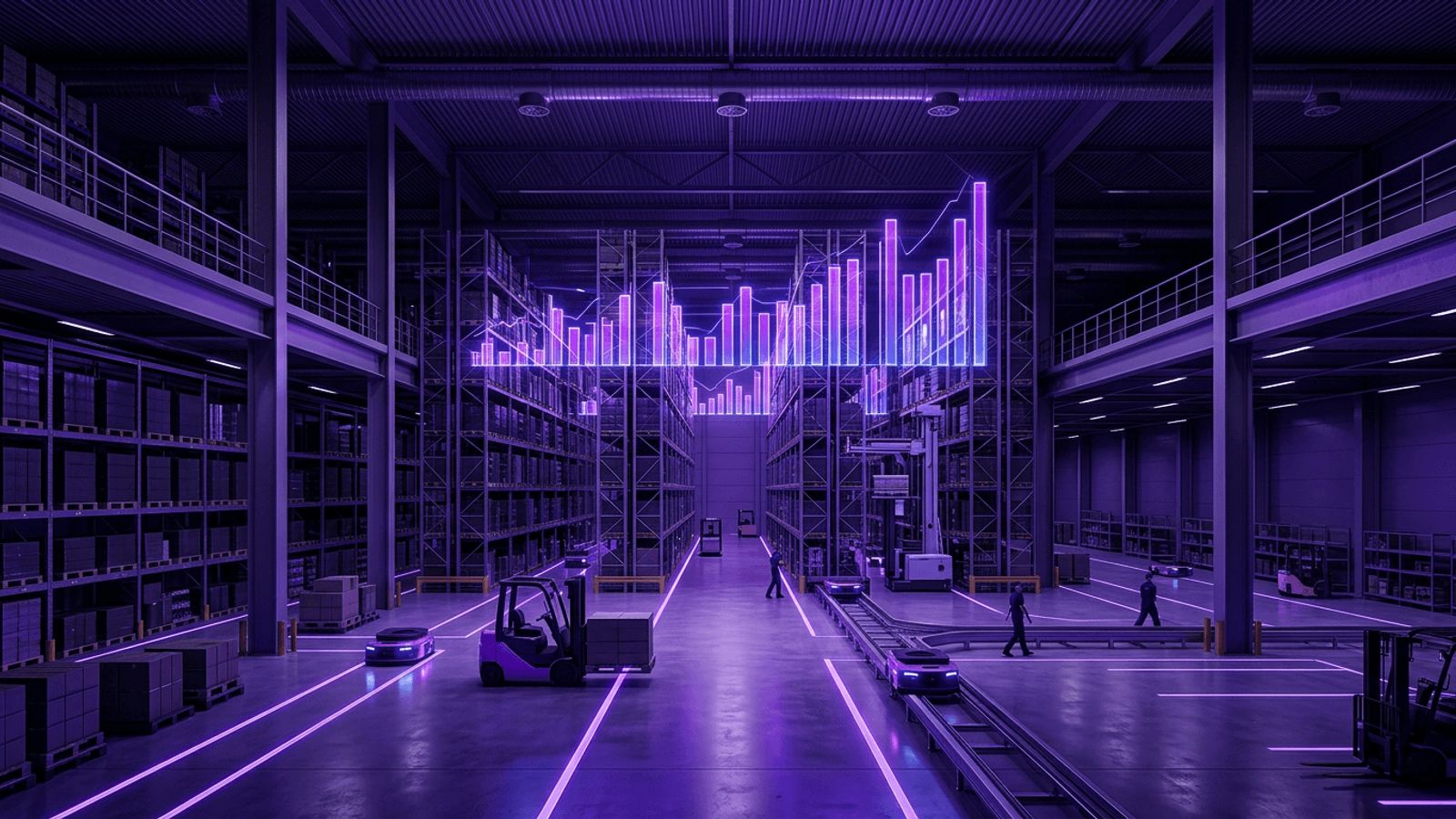
Automation, robotics, and data analytics are transforming warehouse operations. Flexible on-demand models are growing as businesses seek agility. Sustainability is also a priority, with solar-powered roofs, energy-efficient lighting, and electric material handling equipment becoming more common in new facilities.
Conclusion
Everett's port access, highway connections, and industrial heritage make it a smart location for storage and distribution. From global logistics leaders to flexible on-demand networks and local self-storage, businesses have many ways to optimize their supply chains. Compare capabilities carefully and choose a partner that can grow with your operations.