
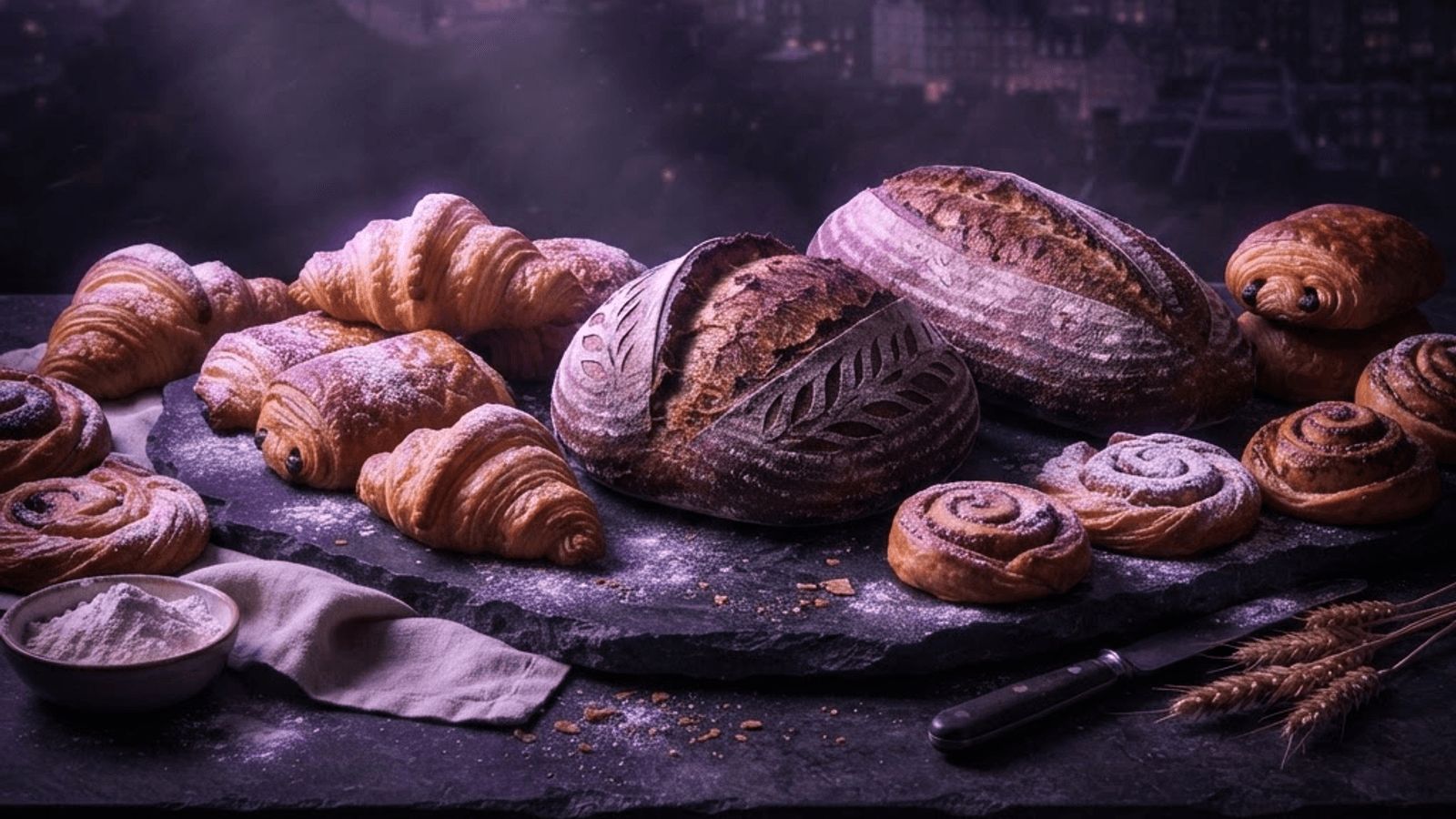
A City That Takes Bread Seriously
Lancaster has developed a bakery scene that punches well above the weight of a city its size. Part of the reason is geography: surrounded by productive farmland and within reach of excellent regional flour mills, local bakers have unusually good access to quality raw ingredients. Part of it is a customer base that has, over the past decade, become genuinely discerning about bread.
The result is a market with real variety. Traditional family bakeries that have operated for generations sit alongside artisan micro-bakeries fermenting dough for two days, continental patisseries producing laminated pastry to an exacting standard, and specialist producers catering to gluten-free and vegan customers without treating those categories as an afterthought.
What Separates Good Baking from Ordinary Baking
A few markers reliably distinguish serious bakeries. Time is the first. Good bread requires long fermentation, which develops flavour, improves texture, and makes the loaf more digestible. Bakeries that produce bread in ninety minutes using dough conditioners cannot replicate what twenty-four hours of slow fermentation achieves.
Ingredient quality is the second. Flour varies enormously, and bakeries using stoneground, regionally milled flour produce noticeably different bread from those buying the cheapest available. Butter content in pastry is the equivalent marker: genuine laminated pastry made with good butter has a flavour and shatter that margarine cannot imitate.
The third marker is range discipline. A bakery producing forty different products is usually buying most of them in. One producing a focused range, baked fresh throughout the day, is usually making them.
Ten Outstanding Bakeries in Lancaster
Lune Street Bakehouse has become something of an institution for its sourdough programme. Their loaves use a mature starter maintained for years, long cold fermentation, and regionally milled flour, producing an open crumb and a deeply caramelised crust. They bake in batches through the morning, so timing your visit matters.
Castle Hill Patisserie works in the French tradition, producing croissants, pains au chocolat, and viennoiserie with proper lamination. Their pastry is made with high-quality butter and folded over multiple sessions, and the difference is immediately obvious. Their seasonal tarts are equally accomplished.
The Old Mill Bakery is a long-established family operation specialising in traditional regional baking: barm cakes, teacakes, parkin, and the kind of everyday bread that Lancashire households have bought for generations. It is unfussy, consistent, and reasonably priced.
Greenacre Wholegrain focuses on nutrition-led baking with wholemeal, rye, spelt, and seeded loaves. Their breads are dense, flavourful, and genuinely different from standard white bread, and they are transparent about ingredients and sourcing.
Quayside Sourdough Co. operates as a micro-bakery producing a small daily quantity of long-fermented loaves alongside focaccia and filled flatbreads. Their limited output sells out early, which is both frustrating and a reasonable indicator of quality.
Bowland Free-From is a dedicated gluten-free bakery, which matters enormously for coeliac customers who cannot risk cross-contamination from a shared kitchen. Their breads and cakes are notably better than the supermarket alternatives, achieving texture that gluten-free baking often fails to reach.
Skerton Village Bakery is a neighbourhood bakery producing straightforward, well-made bread, pies, and pastries. It is the sort of place that serves its immediate community every morning, and its pork pies and savoury bakes have a devoted local following.
Meridian Cake Studio specialises in celebration cakes, working to commission for weddings, birthdays, and events. Their decorating work is genuinely skilled, and importantly the cake underneath tastes as good as the exterior looks, which is not universally true in the category.
Halton Continental Bakery brings central and eastern European baking traditions to the city, producing rye breads, poppy seed pastries, and enriched doughs that are hard to find elsewhere locally. It is worth the trip for anyone who has missed these specific flavours.
Aldcliffe Plant Bakery completes the list as a fully vegan bakery producing breads, cakes, and pastries without animal products. Their laminated pastry is a technical achievement, and their cakes have won over plenty of customers who were not looking for vegan options at all.
Understanding Sourdough
Sourdough has become a marketing term as much as a technical one, and it is worth knowing what the real thing involves. Genuine sourdough is leavened entirely by a culture of wild yeast and lactic acid bacteria, without commercial baker's yeast. Fermentation typically runs between twelve and thirty-six hours, developing complex flavour and partially breaking down starches and proteins.
Products labelled sourdough that contain added yeast and ferment for a couple of hours are a different thing entirely. A straightforward test is the ingredient list: real sourdough needs flour, water, and salt, and nothing else. Reputable bakeries will tell you directly if you ask.
Buying and Storing Bread Well
Good bread has no preservatives, which means it behaves differently from supermarket loaves. Store it cut-side down on a board or in a cloth bag rather than plastic, which traps moisture and softens the crust. Refrigeration accelerates staling and should be avoided. Freezing works well if done on the day of baking, ideally sliced so portions can be taken as needed.
A good loaf will be excellent on day one, very good on day two, and ideal for toast on day three. That is the expected life cycle rather than a defect.
Supporting Local Baking
Independent bakeries operate on thin margins with high labour costs and early starts. They survive on regular custom rather than occasional visits. Buying bread weekly rather than monthly, ordering ahead for larger requirements, and buying directly rather than through third-party platforms that take a substantial commission all make a material difference to whether these businesses continue.
The city's bakery scene is in a strong position at present, with new entrants continuing to appear and established bakeries investing in their craft. For anyone who cares about what they eat, exploring it properly is one of the more rewarding things Lancaster offers.