
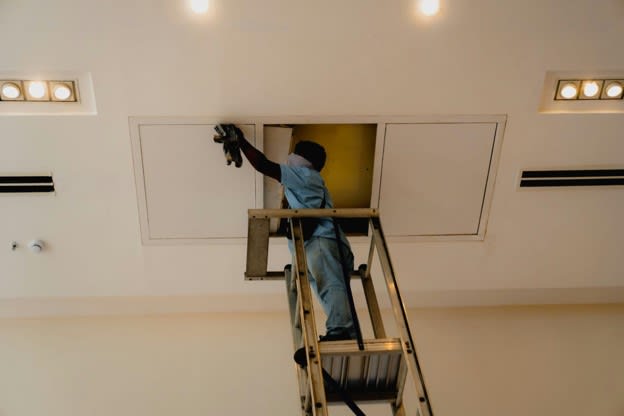
While running a commercial property involves many more tasks than simply opening the doors and running your business every day, you need to make sure that the building is clean and in good repair for employees, customers, tenants and visitors.
Commercial properties need to be kept clean and well-maintained to create a positive first impression, to provide a safe environment for employees, customers, tenants and visitors and to prevent minor issues from becoming major problems.
Here are some of the ways that you can keep your commercial property clean, safe and well maintained, whether you manage an office, retail space, medical facility or commercial building.
1. Establish a Consistent Cleaning Routine
Cleaning is an important element of maintaining a commercial property. It is often the first thing that a customer, tenant or visitor notices about a business. Dust, dirty floors, full bins and dirty shared areas can give the wrong impression of a business and affect the way that it is perceived.
For commercial properties with varying levels of activity, it is better to establish a regular cleaning schedule that takes into account the different areas of the building and how they are used. High-traffic areas such as reception spaces, hallways, kitchens, bathrooms and meeting rooms often require more frequent attention. Businesses with a steady flow of customers or visitors may also need additional cleaning throughout the day.
For businesses, professional commercial cleaning can help to maintain a consistent standard of cleaning in offices and commercial spaces. Establishing a cleaning plan for the property, taking into account the different areas, can help to ensure that no areas are forgotten and that the property is kept to a high standard.
2. Address Maintenance Issues Before They Get Worse
Minor maintenance problems can escalate into more serious problems if they are left unattended. A leaking tap, damaged flooring, faulty lighting or blocked drainage may seem minor but can affect the safety and functionality of the building.
To find out what problems need addressing in the first place, regular property inspections are best. Look at the following areas as part of your inspection:
Floors, walls and ceilings for visible damage
Plumbing fixtures for leaks or blockages
Lighting and electrical fittings for faults
Doors, windows, commercial garage doors and access points for damage
Roofs, gutters and drainage systems for signs of deterioration
Common areas for trip hazards or other safety concerns
By keeping a record of reported issues, findings from inspections and any work that has been completed to fix problems, you can help to monitor the recurrence of issues and plan future maintenance work.
Where professional assistance is required, engaging specialists in commercial building repairs can help address building issues and maintain the property's condition.
3. Prioritise Workplace Health and Safety
A clean and well-maintained building is also an important part of workplace safety.
Potential hazards such as slippery floors, loose cables, damaged stairways, inadequate lighting or blocked walkways need to be identified and rectified on an ongoing basis.
Cleaning can help to remove hazards of everyday life such as spills, clutter and waste, whilst maintenance can help to remove hazards of physical damage to the building and its systems.
Also make sure that emergency exits are clear, safety signs are up and in good condition and all relevant building systems are checked regularly.
Ensure that appropriate processes are in place for carrying out inspections and dealing with reported hazards in a timely manner.
4. Pay Attention to High-Traffic and Shared Areas
Shared spaces often experience the most wear and require additional attention.
Shared spaces like reception areas, lifts, stairwells, kitchens, bathrooms and corridors are used by multiple people throughout the day. If not cleaned and maintained on a regular basis, these spaces can quickly become unkempt and look worse for wear.
Consider creating a checklist for frequently used spaces that covers:
Regular floor cleaning and surface sanitisation
Emptying bins and managing general waste
Checking bathroom supplies and fixtures
Cleaning frequently touched surfaces
Inspecting flooring, handrails and entryways
Reporting damage or maintenance concerns
Don’t forget the outdoor areas such as car parks, entryways, pathways and landscaped spaces. All of these areas contribute to the overall presentation of a commercial property.
The areas outside the building such as the car park, entryways, pathways and landscaped areas also need to be kept clean and in good order to create a positive first impression and to reduce the risk of accidents occurring.
5. Take a Proactive Approach to Building Maintenance
The reactive approach of waiting for something to go wrong can lead to unexpected expenses, and to the disruption of business. This can cause problems for the landlord, and for the tenants of the property.
This can include regular inspections, the servicing of equipment, checking of the plumbing and electrical systems, and regular monitoring of areas that are susceptible to wear and tear.
Tasks can be prioritized according to their urgency with safety concerns and those affecting essential services addressed first, with more cosmetic issues being addressed on a longer-term basis as part of a planned maintenance program.
Keep a maintenance calendar and set a budget for ongoing repairs.
6. Work With Reliable Cleaning and Maintenance Professionals
A commercial building will require the services of a number of different professionals in order to keep it clean, safe and well maintained. Professional cleaning services will help to maintain the hygiene and presentation of the building, whilst qualified maintenance contractors can assess and repair any problems with the building.
When looking for service providers for your commercial property, consider their experience of working with commercial properties, the services they offer, how they communicate with you and if they can work around your business hours.
When setting up service arrangements for your commercial property, be clear on what you expect from the service provider.
For example, the cleaning schedules, frequency of inspections and the manner in which you expect reports to be provided can all be included in the service arrangement.
Review the service that you are receiving from time to time to ensure that it meets the changing needs of the property and of the business that is based there.
Create a Better Environment for Everyone
Maintaining a commercial property is a long term investment. By keeping a commercial property clean, safe and well maintained you are supporting the daily operations of a business, making a good first impression and protecting the long term value of the building.
With a consistent cleaning schedule, regular inspections and proactive maintenance, a commercial property can be kept in good condition and ensure that the building is a comfortable environment for all who use it.
The key to maintaining a commercial property is to treat cleanliness and maintenance as ongoing tasks, to be dealt with on a regular basis, rather than as problems to be dealt with only when something goes wrong.