
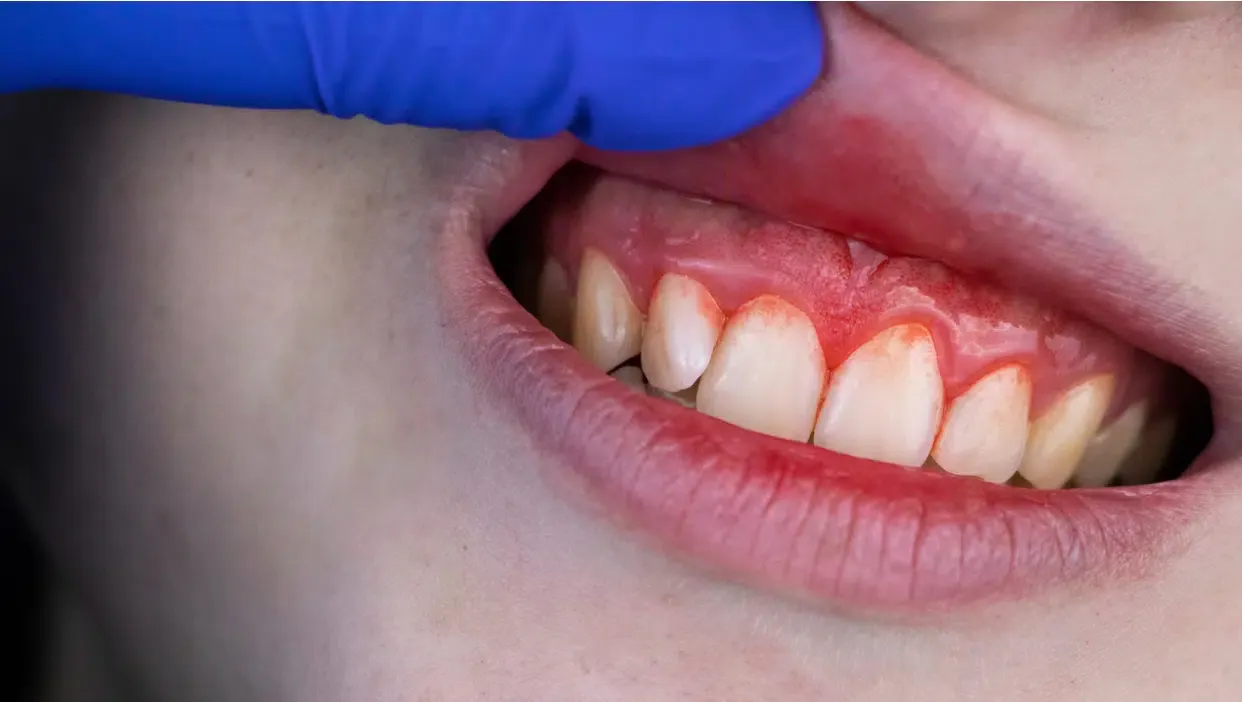
Gingivitis is one of the most common forms of gum disease, affecting millions of people worldwide. It is characterized by inflamed, red, and bleeding gums and is often caused by poor oral hygiene. While mild gingivitis is reversible, untreated gum disease can progress into periodontitis, leading to tooth loss and more severe health issues.
The good news is that gingivitis can often be treated at home using proper oral hygiene, natural remedies, and lifestyle changes. This comprehensive guide will provide step-by-step instructions to help you reduce gum inflammation, prevent further damage, and restore a healthy smile.
What Is Gingivitis?
Gingivitis is the inflammation of the gums caused primarily by plaque buildup. Plaque is a sticky film of bacteria that forms on teeth and gums after eating. If not removed through proper brushing and flossing, plaque hardens into tartar, which irritates the gums.
Early Signs of Gingivitis
- Red or swollen gums
- Bleeding while brushing or flossing
- Tender or sensitive gums
- Bad breath (halitosis)
- Receding gum line in some cases
Causes of Gingivitis
Understanding the causes helps prevent and treat gingivitis effectively.
Poor Oral Hygiene
Skipping brushing or flossing allows plaque and bacteria to accumulate, which irritates the gums.
Smoking or Tobacco Use
Tobacco products reduce gum tissue health, slow healing, and increase plaque buildup.
Hormonal Changes
Pregnancy, menstruation, and menopause can make gums more sensitive to bacteria.
Certain Medications
Some medications reduce saliva flow, contributing to dry mouth and plaque accumulation.
Nutritional Deficiencies
Lack of vitamin C and other essential nutrients weakens gum tissue.
Medical Conditions
Diabetes, immune disorders, and certain illnesses can increase susceptibility to gingivitis.
How to Treat Gingivitis at Home
While professional dental care is recommended for severe cases, mild gingivitis can often be managed at home. Here are proven methods:
1. Maintain Proper Oral Hygiene
Good oral care is the foundation of gingivitis treatment.
Brushing
- Brush at least twice daily
- Use a soft-bristled toothbrush to avoid further irritation
- Brush for 2 minutes using gentle circular motions
- Replace your toothbrush every 3–4 months
Flossing
- Floss once daily to remove plaque between teeth
- Use a gentle sawing motion to avoid gum damage
Toothpaste
- Use fluoride toothpaste to strengthen enamel and prevent decay
- Consider toothpaste with antimicrobial or anti-gingivitis properties
2. Rinse with Antibacterial Mouthwash
Mouthwash helps reduce bacteria and plaque.
How to Use
- Choose an alcohol-free antibacterial mouthwash
- Swish for 30 seconds after brushing and flossing
- Use twice daily for best results
3. Saltwater Rinse
Saltwater is a natural antibacterial solution that reduces inflammation and soothes gums.
How to Use
- Mix ½ teaspoon of salt in a cup of warm water
- Rinse your mouth for 30 seconds
- Spit out and repeat 1–2 times daily
4. Oil Pulling
Oil pulling is an ancient practice that can reduce bacteria and promote gum health.
How to Do It
- Take 1 tablespoon of coconut, sesame, or sunflower oil
- Swish gently in your mouth for 10–15 minutes
- Spit out and rinse with water
- Repeat daily, preferably in the morning
5. Use a Soft-Bristled Toothbrush or Electric Toothbrush
Electric toothbrushes can be more effective at removing plaque and reducing gum inflammation.
- Choose one with pressure sensors to avoid aggressive brushing
- Use circular or oscillating motion to reach plaque in hard-to-clean areas
6. Stay Hydrated
Drinking enough water helps wash away food particles and bacteria, reducing plaque buildup.
- Aim for 8–10 glasses of water daily
- Chew sugar-free gum to stimulate saliva flow if dry mouth occurs
7. Improve Your Diet
Nutrition plays a crucial role in gum health.
Foods That Promote Healthy Gums
- Fruits and vegetables: High in vitamins and fiber
- Dairy products: Provide calcium for strong teeth
- Green tea: Contains antioxidants that reduce inflammation
- Foods rich in vitamin C: Supports collagen and gum tissue
Foods to Avoid
- Sugary snacks and drinks
- Excessive caffeine and alcohol
- Processed foods with refined carbs
8. Quit Smoking and Tobacco Products
Tobacco use impairs gum healing and increases plaque accumulation. Quitting improves gum health significantly and reduces the risk of recurrence.
9. Manage Stress
Stress can weaken the immune system, making gums more vulnerable to infection.
- Practice meditation or deep breathing
- Exercise regularly to improve circulation and immune function
- Ensure adequate sleep to aid healing
10. Monitor Your Oral Health Regularly
Keeping track of gum condition helps prevent gingivitis from worsening.
- Inspect your gums weekly for redness or swelling
- Take note of bleeding or sensitivity
- Schedule regular dental checkups
When Home Treatment May Not Be Enough
While many cases of gingivitis improve with home care, certain signs indicate professional treatment is needed.
Seek Professional Help If You Experience
- Persistent or severe bleeding gums
- Swelling that does not improve
- Pus or bad taste indicating infection
- Tooth mobility
- Receding gum line or deep pockets
Prevention Tips for Long-Term Gum Health
Preventing gingivitis is easier than treating it. Maintain consistent oral hygiene and follow healthy habits.
- Brush and floss daily
- Use an antibacterial mouthwash
- Eat a balanced diet rich in vitamins and minerals
- Avoid smoking or tobacco
- Schedule regular dental visits every 6 months
Natural Remedies for Gingivitis Relief
Several natural remedies can complement regular oral hygiene.
Aloe Vera
- Apply aloe gel directly to gums
- Reduce inflammation and kill bacteria
Turmeric Paste
- Mix turmeric powder with water to form a paste
- Apply gently to gums to reduce redness and swelling
Tea Tree Oil
- Add 1–2 drops to toothpaste or dilute with water for mouth rinse
- Provides antibacterial benefits
Green Tea Rinse
- Brew green tea and allow to cool
- Rinse your mouth to reduce bacteria and inflammation
Frequently Asked Questions About Gingivitis
Can gingivitis go away on its own?
Mild gingivitis can be reversed with proper oral care, but without treatment, it may progress to periodontitis.
How long does it take to heal gingivitis at home?
With consistent care, mild gingivitis can improve in 7–14 days.
Is bleeding gum always gingivitis?
Not always. Bleeding can result from aggressive brushing, flossing, or other oral conditions. Persistent bleeding requires evaluation.
Can children get gingivitis?
Yes. Poor oral hygiene can cause gingivitis in children, but it is reversible with proper care.
Final Thoughts: Treating Gingivitis at Home Safely
Gingivitis is a common, reversible condition when addressed promptly. By maintaining good oral hygiene, using natural remedies, making dietary adjustments, and avoiding harmful habits like smoking, most people can reduce inflammation, prevent bleeding, and restore healthy gums at home.
While home care provides temporary relief and effective management for mild cases, professional dental care is essential if symptoms persist, worsen, or indicate infection. Combining consistent home practices with regular dental checkups ensures long-term gum health and prevents serious complications like periodontitis or tooth loss.
Early attention and proactive care are the keys to a healthy, pain-free smile that lasts a lifetime.