
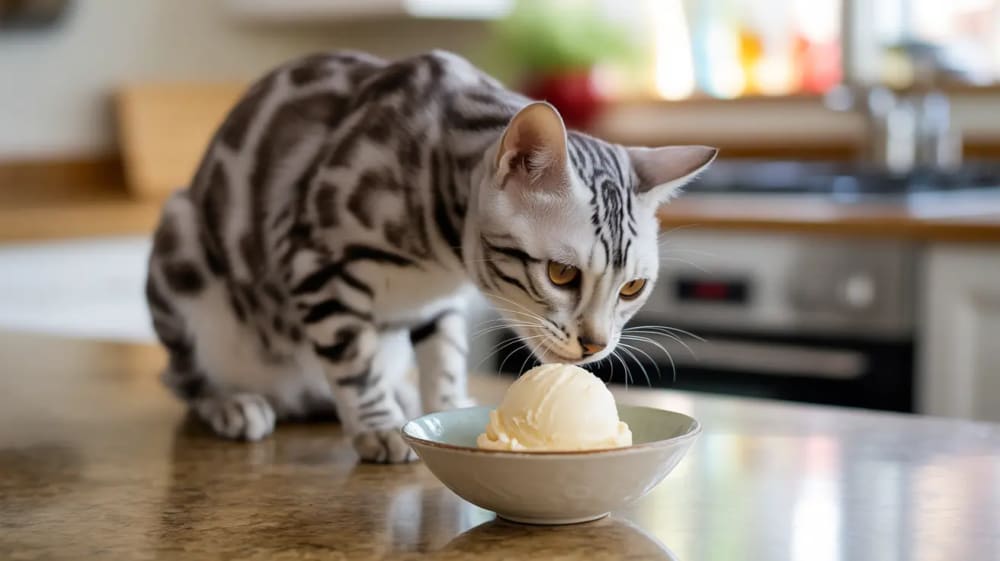
Many cat owners have experienced the same moment: you’re enjoying a bowl of vanilla ice cream, your cat walks over, sniffs curiously, and suddenly you wonder — can cats safely eat vanilla ice cream? It feels harmless, especially since milk and creamy treats are often associated with cats in popular culture. However, feline nutrition is far more complex than most people realize.
This in-depth guide explores whether vanilla ice cream is safe for cats, what ingredients may cause harm, how a cat’s digestive system actually works, and what safer alternatives you can offer instead. By the end, you’ll understand not only if cats can eat vanilla ice cream, but whether they should.
Understanding a Cat’s Natural Diet
Before discussing ice cream specifically, it’s important to understand what cats are biologically designed to eat.
Cats are obligate carnivores, meaning their bodies evolved to thrive on animal protein. Unlike humans or dogs, cats rely heavily on nutrients found only in meat, including:
- Taurine (essential for heart and eye health)
- Arachidonic acid (a fatty acid found in animal tissues)
- Vitamin A in its active form
- High levels of protein for energy
Because of this evolutionary design, cats process fats and proteins efficiently but struggle with carbohydrates and sugars — two major components of ice cream.
Their digestive systems are shorter and specialized for breaking down meat, not dairy desserts or sweet foods. This alone raises concerns about feeding cats vanilla ice cream regularly.
What Is Vanilla Ice Cream Made Of?
To determine whether vanilla ice cream is safe, we must look at its ingredients. Typical vanilla ice cream contains:
- Milk or cream
- Sugar
- Vanilla flavoring or extract
- Egg yolks (in some recipes)
- Stabilizers or emulsifiers
While these ingredients are safe for humans, several of them can cause problems for cats.
Let’s examine each component individually.
The Biggest Issue: Lactose Intolerance in Cats
One of the most common misconceptions is that cats love and tolerate milk. While kittens drink their mother’s milk early in life, adult cats usually lose the ability to digest lactose properly.
Why Adult Cats Become Lactose Intolerant
Kittens produce an enzyme called lactase, which breaks down lactose (milk sugar). As cats mature and transition to solid food, lactase production decreases significantly.
Without enough lactase:
- Lactose remains undigested in the intestines
- Bacteria ferment the sugar
- Gas, diarrhea, and stomach upset occur
According to veterinary guidance shared by organizations such as the ASPCA, many adult cats experience digestive discomfort after consuming dairy products.
Symptoms of Lactose Intolerance in Cats
If a cat eats vanilla ice cream, you may notice:
- Diarrhea
- Vomiting
- Gas or bloating
- Abdominal discomfort
- Reduced appetite
- Lethargy
Even small amounts can trigger symptoms in sensitive cats.
Sugar: A Hidden Danger
Another major problem with vanilla ice cream is sugar content.
Cats do not need sugar in their diet — and interestingly, they cannot even taste sweetness the way humans do. Their taste receptors lack the functionality required to detect sweet flavors.
Why Sugar Is Harmful for Cats
Excess sugar can contribute to:
- Obesity
- Diabetes
- Dental disease
- Digestive upset
The FDA warns broadly about excessive sugar consumption in pets, as calorie-dense human foods can quickly disrupt balanced nutrition.
Because ice cream combines sugar with fat, it becomes particularly calorie-heavy for small animals like cats.
Is Vanilla Flavoring Safe for Cats?
Vanilla itself is not always dangerous — but the form matters greatly.
Natural Vanilla vs. Vanilla Extract
Pure vanilla flavoring used in desserts often comes from vanilla extract, which contains alcohol. Alcohol is toxic to cats, even in relatively small amounts.
While the alcohol content in a serving of ice cream is usually low, repeated exposure or larger portions could pose risks.
Artificial vanilla flavorings may also include additives or preservatives that are not ideal for feline digestion.
Potential Risks
- Alcohol exposure from extracts
- Artificial additives
- Gastrointestinal irritation
In most cases, vanilla flavoring isn’t the primary danger — dairy and sugar are — but it still adds another layer of concern.
Fat Content and Weight Gain
Ice cream is high in fat, and cats are particularly sensitive to sudden increases in fatty foods.
Too much fat can lead to:
- Upset stomach
- Vomiting
- Pancreatitis (a serious inflammatory condition)
Pancreatitis can be life-threatening and often requires veterinary treatment. Even occasional indulgence can trigger issues in cats with sensitive digestive systems.
Can a Small Lick Hurt Your Cat?
Many veterinarians agree that a tiny lick of vanilla ice cream is unlikely to cause serious harm in a healthy adult cat.
However, “unlikely to harm” does not mean “safe” or “recommended.”
Factors that influence risk include:
- The cat’s age
- Existing health conditions
- Sensitivity to lactose
- Portion size
- Frequency of exposure
A single accidental lick may only cause mild digestive upset — or no symptoms at all — but intentionally feeding ice cream regularly is not advisable.
Special Risks for Kittens and Senior Cats
Certain cats are more vulnerable than others.
Kittens
Young kittens still developing their digestive systems may experience severe diarrhea from dairy products, which can quickly lead to dehydration.
Senior Cats
Older cats often have:
- Slower metabolism
- Increased risk of diabetes
- Sensitive digestion
High-fat, sugary foods like ice cream place additional stress on aging bodies.
Artificial Sweeteners: A Serious Warning
Some “sugar-free” or low-calorie ice creams contain artificial sweeteners.
One ingredient is especially dangerous:
Xylitol
Xylitol is extremely toxic to dogs and potentially harmful to cats. While cats appear somewhat less sensitive than dogs, ingestion can still cause serious health complications.
Always check ingredient labels carefully. If ice cream contains xylitol, it should never be given to pets.
If ingestion occurs, contacting services like the Pet Poison Helpline immediately is recommended.
Why Cats Seem Interested in Ice Cream
If cats cannot taste sweetness, why do they try to eat ice cream?
The answer lies in fat and smell.
Cats are attracted to:
- Fat content
- Creamy texture
- Dairy aroma
- Curiosity about human food
Ice cream smells rich and fatty, which mimics the scent cues of animal-based foods.
Your cat isn’t craving dessert — they’re responding to fat signals.
Possible Short-Term Effects After Eating Vanilla Ice Cream
If your cat sneaks some ice cream, monitor for symptoms within the next 6–24 hours.
Common reactions include:
- Loose stool
- Mild vomiting
- Gas
- Temporary lethargy
Provide fresh water and avoid additional treats during this time.
Seek veterinary care if you notice:
- Persistent vomiting
- Severe diarrhea
- Refusal to eat
- Signs of pain
- Tremors or unusual behavior
Long-Term Consequences of Feeding Ice Cream
Regularly feeding vanilla ice cream can create cumulative health issues.
Obesity
Indoor cats already face a higher risk of weight gain. High-calorie treats accelerate this problem.
Diabetes Mellitus
Cats are particularly prone to diabetes linked to poor diet and obesity.
Nutritional Imbalance
When cats fill up on human foods, they may eat less nutritionally balanced cat food, leading to deficiencies.
The Humane Society of the United States emphasizes that treats should make up only a small percentage of a pet’s daily caloric intake.
Are Some Cats Able to Tolerate Dairy?
Yes — but it varies.
Some cats retain partial lactase production and may tolerate small amounts of dairy without obvious symptoms. However, tolerance does not equal nutritional benefit.
Even dairy-tolerant cats gain no meaningful health advantage from eating ice cream.
Veterinary experts at the Cornell University College of Veterinary Medicine note that cats’ dietary needs are best met through species-appropriate nutrition rather than human treats.
Safer Alternatives to Vanilla Ice Cream
If you want to share a special treat with your cat, there are safer options.
1. Cat-Safe Frozen Treats
You can freeze:
- Wet cat food mixed with water
- Tuna water (unsalted)
- Pure meat broth
These create cool treats without harmful ingredients.
2. Lactose-Free Cat Milk
Pet stores sell specially formulated lactose-free milk designed for feline digestion.
3. Plain Cooked Meat
Small pieces of:
- Chicken
- Turkey
- Fish (boneless and unseasoned)
offer protein-rich rewards aligned with a cat’s natural diet.
4. Commercial Cat Treats
Treats designed specifically for cats maintain proper nutrient balance and calorie control.
How Much Treat Is Too Much?
A good rule is the 10% rule:
- Treats should not exceed 10% of daily calories.
- The remaining 90% should come from complete, balanced cat food.
Ice cream easily exceeds this limit because it is calorie dense even in tiny portions.
What to Do If Your Cat Eats Ice Cream
If accidental consumption occurs:
- Remove access immediately.
- Check the ingredient list (especially for xylitol).
- Monitor behavior for 24 hours.
- Offer water to prevent dehydration.
- Contact a veterinarian if symptoms appear.
Most mild cases resolve without treatment, but caution is always best.
Common Myths About Cats and Dairy
Myth 1: Cats Need Milk
False. Adult cats do not require milk and often cannot digest it properly.
Myth 2: A Little Ice Cream Is a Good Treat
Not necessarily. While small amounts may not be toxic, they provide no nutritional value.
Myth 3: Cats Love Sweet Foods
Cats lack sweet taste receptors. Their interest comes from fat, not sugar.
The Psychological Side: Sharing Food With Pets
Many owners offer human food as a bonding experience. While well intentioned, this habit can unintentionally reinforce begging behavior and unhealthy eating patterns.
Instead, bonding can happen through:
- Interactive play
- Grooming
- Training with cat-safe treats
- Puzzle feeders
These activities strengthen relationships without risking health problems.
Expert Verdict: Can Cats Have Vanilla Ice Cream?
Technically, a tiny lick of vanilla ice cream is unlikely to poison a healthy cat. However, veterinary consensus strongly suggests avoiding it altogether.
The combination of lactose, sugar, fat, and additives makes vanilla ice cream unsuitable for feline digestion and long-term health.
In simple terms:
- Can cats eat vanilla ice cream? Yes, in very small accidental amounts.
- Should cats eat vanilla ice cream? No.
Final Thoughts
Vanilla ice cream may seem harmless, but it clashes with nearly every aspect of a cat’s biological needs. Cats thrive on protein-rich, meat-based diets, not sugary dairy desserts designed for humans.
While sharing food with pets feels affectionate, the healthiest expression of care is choosing treats aligned with their natural physiology. Offering species-appropriate snacks, maintaining balanced nutrition, and understanding digestive limitations will help your cat live a longer, healthier life.
So the next time your cat eyes your dessert bowl, remember: they’re not asking for ice cream — they’re simply curious. A safer, cat-friendly treat will satisfy them far better than a spoonful of vanilla ever could.