
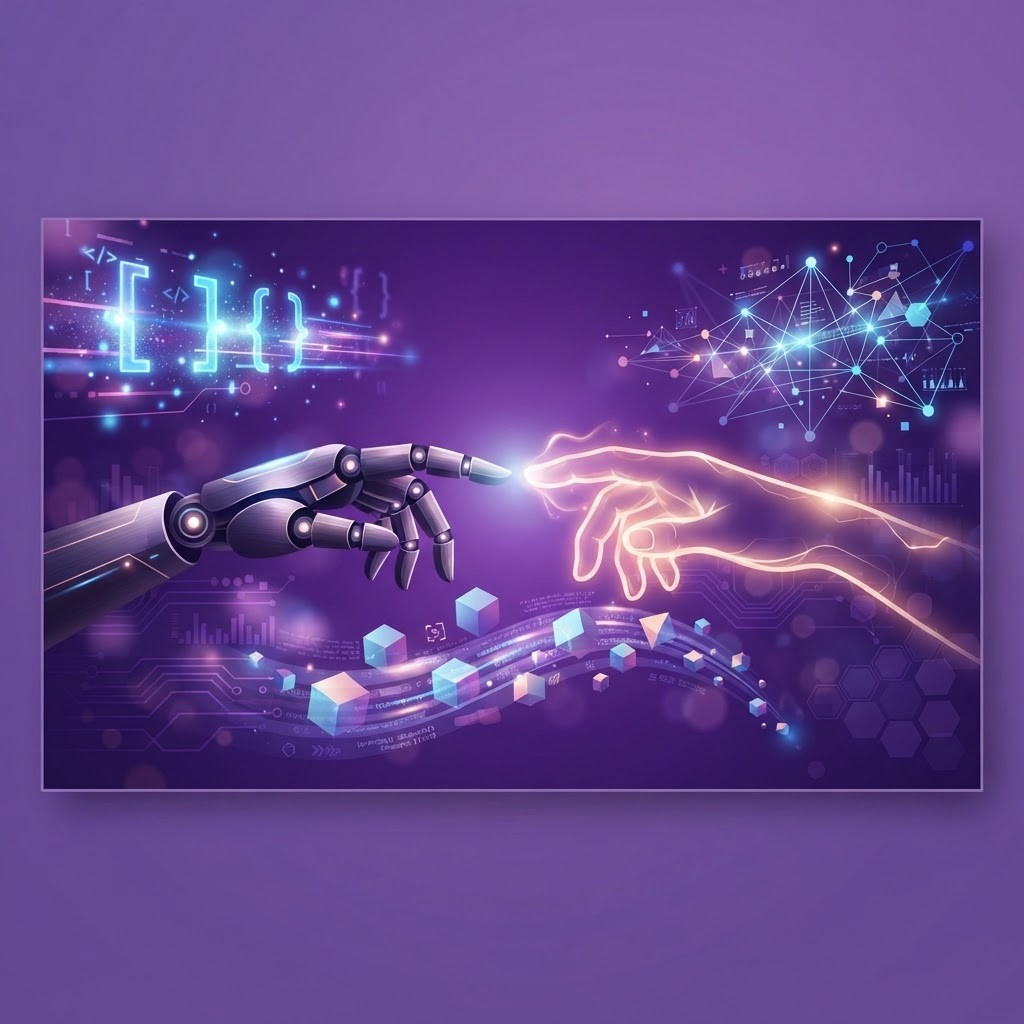
Every wave of new technology sparks the same anxious question, and the rise of AI coding assistants is no different: will artificial intelligence replace web developers? Tools that generate entire components, debug errors, and scaffold applications from a prompt are genuinely impressive, and they have understandably made some developers nervous about their futures. The reality, however, is more nuanced than the headlines suggest. In this article we look honestly at what AI can do, where it falls short, and why skilled developers remain essential.
Building With Confidence Alongside AAMAX.CO
Whether AI writes some of the code or not, businesses still need reliable, well-architected websites, and AAMAX.CO delivers exactly that. As a full-service digital marketing company serving clients worldwide, they combine modern AI-assisted development with human engineering expertise to build fast, secure, and scalable sites. Their website development team uses the latest tools to move quickly while ensuring quality, so clients get the best of both worlds. You can see how they can help at AAMAX.CO.
What AI Coding Tools Do Well
AI has become remarkably good at certain development tasks. It can generate boilerplate code, convert designs into markup, write unit tests, explain unfamiliar code, and suggest fixes for common bugs. For repetitive or well-documented problems, an AI assistant can save hours. Junior tasks that once consumed a developer's morning, like wiring up a form or styling a component, can now be drafted in seconds. This is a genuine productivity revolution, and developers who ignore these tools risk falling behind.
Where AI Falls Short
Despite the progress, AI struggles with the parts of development that matter most. It does not truly understand business requirements, user needs, or the trade-offs behind architectural decisions. It cannot reliably reason about complex, interconnected systems, nor can it take responsibility for security, performance, and accessibility across an entire application. AI-generated code frequently contains subtle bugs, outdated patterns, or security flaws that require an experienced human to catch. Someone still has to define the problem, evaluate the output, integrate it safely, and own the result.
Development Is More Than Writing Code
Perhaps the biggest misconception is that development equals typing code. In reality, professional web developers spend much of their time communicating with stakeholders, clarifying ambiguous requirements, designing systems, reviewing work, planning for scale, and making judgment calls about maintainability. These human-centered activities are far beyond the reach of today's AI. A tool can produce a function, but it cannot sit in a meeting and decide which features will actually serve a client's goals.
The Role Is Evolving, Not Disappearing
History offers a useful lesson. Higher-level programming languages, frameworks, and no-code tools were all predicted to eliminate developers, yet demand for developers only grew. Each abstraction let developers build more ambitious things faster. AI is the next abstraction. The day-to-day work will shift toward guiding AI, reviewing its output, and focusing on architecture and problem-solving, but the need for people who can build and steward software is not going away. If anything, as software becomes cheaper to produce, the world will want more of it.
Skills That Will Matter Most
To thrive in an AI-assisted future, developers should double down on skills that AI cannot replicate. Deep understanding of system design, security, performance, and accessibility will be increasingly valuable. So will the ability to communicate clearly, understand business context, and make sound decisions under uncertainty. Learning to use AI tools effectively, writing good prompts, and critically evaluating generated code will become a core competency, much like knowing how to use a search engine is today.
What This Means for Businesses
For companies, the takeaway is that AI makes good development faster but does not remove the need for skilled teams. Relying solely on AI-generated code without expert oversight is a recipe for bugs, security holes, and technical debt. The smart approach is to partner with developers who use AI to accelerate their work while applying human judgment to ensure quality. This is exactly the philosophy behind a modern digital marketing and development practice that treats AI as a powerful assistant rather than a replacement.
Conclusion
Will AI replace web developers? No, but it will reshape the job. AI is an extraordinary productivity tool that handles routine coding tasks and frees developers to focus on higher-value work. The professionals and businesses that embrace it as a collaborator, while continuing to invest in architecture, security, and human judgment, will outpace those who either ignore it or over-rely on it. The future belongs to developers who work with AI, not those replaced by it.