
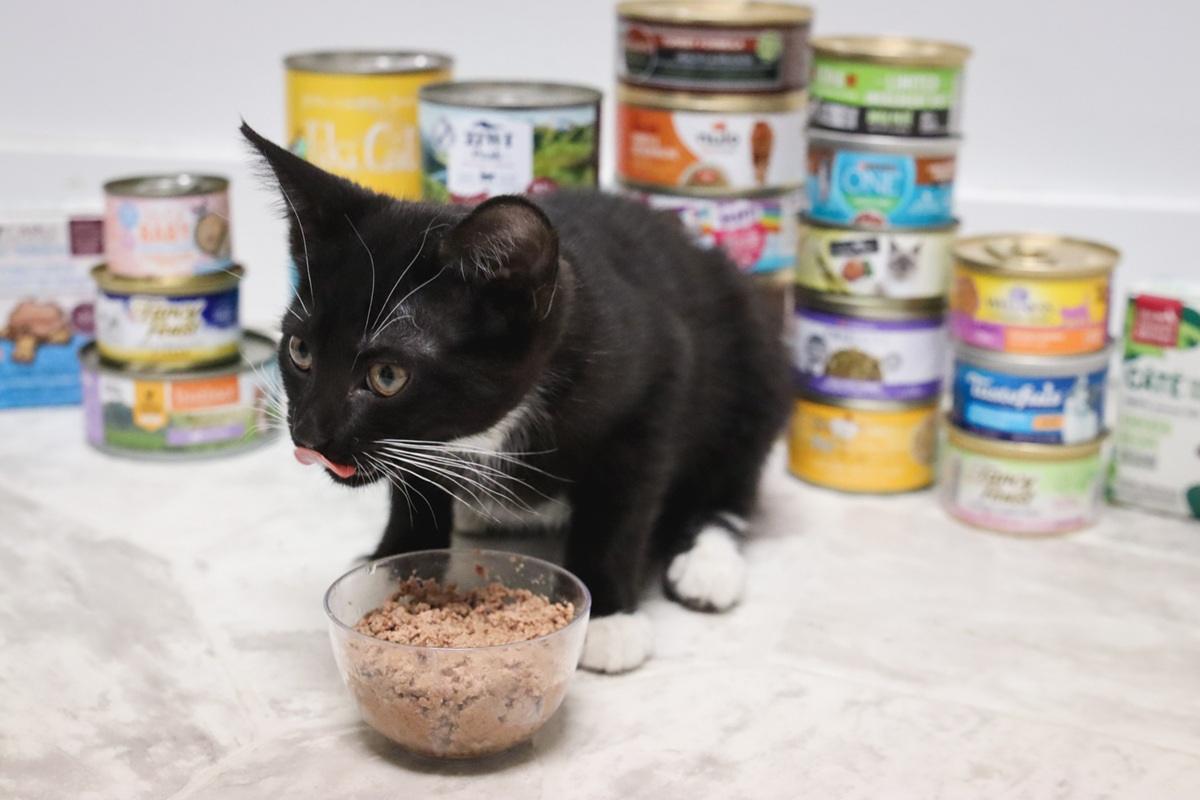
Bringing a kitten into your life is an exciting experience, full of tiny paws, playful antics, and lots of learning—both for you and your new companion. One of the most common and important questions new kitten owners ask is: when do kittens start eating food?
Understanding when and how kittens transition from their mother’s milk (or formula) to solid food is essential for their growth, health, and long-term well-being. This in-depth guide explains the entire feeding journey of kittens, from birth through weaning, and provides practical advice on what to feed, when to feed, and how to make the transition as smooth as possible.
Understanding a Kitten’s Early Nutritional Needs
Kittens grow at an incredibly fast rate. During the first few weeks of life, their bodies and brains develop rapidly, which means they need highly concentrated nutrition. Their dietary needs change significantly as they age, and feeding them the right food at the right time is critical.
In the earliest stage of life, kittens are completely dependent on milk. This milk provides not only calories but also antibodies that help protect them from disease while their immune systems are still developing.
Newborn Kittens (0–3 Weeks): Milk Only
During the first three weeks of life, kittens should consume only milk.
What Kittens Eat at This Stage
- Mother’s milk (best and most natural option)
- Commercial kitten milk replacer if the mother is unavailable
Feeding Frequency
- Every 2–3 hours during the first week
- Every 3–4 hours by weeks two and three
Weeks 3–4: The Beginning of Interest in Food
Around three to four weeks of age, kittens begin to show the first signs that they are ready to explore something beyond milk.
Signs Kittens Are Getting Ready for Solid Food
- They start watching their mother eat
- They may lick or nibble at food
- Teeth begin to emerge
- Improved mobility and coordination
Weeks 4–5: Introducing Solid Food
Most kittens officially start eating food at around four weeks old, though it begins as a gradual process known as weaning.
What Food to Introduce First
- High-quality wet kitten food
- Food softened with warm water or kitten milk replacer
- A thin, porridge-like consistency
How to Introduce Food
- Place a small amount of softened food in a shallow dish
- Let the kitten smell and investigate
- Gently place a little food on their lips if needed
- Allow them to explore at their own pace
Weeks 5–6: Increasing Solid Food Intake
Between five and six weeks of age, kittens begin to eat more solid food and rely less on milk.
What Changes During This Stage
- Improved chewing ability as more teeth come in
- Increased interest in food bowls
- Less frequent nursing or bottle feeding
Feeding Tips
- Offer food 3–4 times per day
- Continue using wet or softened food
- Always provide fresh water in a shallow bowl
Weeks 6–8: Full Weaning Stage
Most kittens are fully weaned by 7–8 weeks old.
What Fully Weaned Means
- They no longer rely on milk for nutrition
- They eat solid food as their primary diet
- Their digestive system can handle regular kitten food
Wet Food vs Dry Food
- Wet food provides hydration and is easier to chew
- Dry food supports dental health and can be introduced gradually
- Many owners choose a combination of both
What Kind of Food Should Kittens Eat?
Choosing the right food is just as important as timing.
Essential Nutritional Requirements
Kittens need:
- High protein levels
- Increased fat for energy
- DHA for brain and vision development
- Balanced vitamins and minerals
- “Complete and balanced”
- “Formulated for growth”
- “For kittens” or “All life stages”
Feeding Schedule by Age
Understanding how often to feed kittens helps prevent overfeeding or underfeeding.
4–8 Weeks
- 3–4 small meals per day
- Softened wet or dry kitten food
8–12 Weeks
- 3 meals per day
- Combination of wet and dry food
3–6 Months
- 2–3 meals per day
- Gradually increasing portion sizes
6–12 Months
- 2 meals per day
- Continue kitten food until at least 12 months
How Much Should Kittens Eat?
Portion size depends on age, weight, and food type.
General Guidelines
- Follow the feeding chart on the food packaging
- Adjust portions based on growth and activity
- Kittens should look lean, not round or bloated
Common Problems During the Transition to Food
Not all kittens adjust smoothly to solid food. Some common challenges include:
Refusing Solid Food
- Try warming the food slightly
- Experiment with different textures
- Mix in a small amount of milk replacer
Diarrhea
- Can occur during diet changes
- Introduce new food slowly
- Persistent diarrhea requires veterinary attention
Overeating
- Kittens are enthusiastic eaters
- Stick to measured portions
- Avoid free-feeding large amounts early on
Can Kittens Eat Human Food?
It may be tempting to share food, but most human foods are not safe for kittens.
Foods to Avoid
- Milk and dairy products
- Onions and garlic
- Chocolate
- Cooked bones
- Salty or seasoned foods
Orphaned Kittens and Special Feeding Considerations
Orphaned kittens require extra care and patience.
Key Points for Orphaned Kittens
- Use only kitten milk replacer until 4 weeks
- Introduce solid food gradually, same as mother-raised kittens
- Monitor weight daily if possible
When Should You Switch to Adult Cat Food?
Kittens should remain on kitten food until they are about 12 months old.
Large-breed cats may benefit from kitten food for slightly longer, while some indoor cats may transition closer to 10–11 months under veterinary guidance.
Switching too early can result in nutritional deficiencies that affect growth and development.
The Importance of Fresh Water
Once kittens start eating solid food, fresh water becomes essential.
Water Tips
- Use shallow bowls to prevent accidents
- Change water daily
- Place bowls away from litter boxes
Final Thoughts: Supporting a Healthy Start
So, when do kittens start eating food? The short answer is around four weeks of age, but the full process of transitioning from milk to solid food takes several weeks. By eight weeks old, most kittens are fully weaned and thriving on a diet of kitten-specific food.
Patience, observation, and high-quality nutrition are the keys to success. Every kitten develops at its own pace, and small variations in timing are completely normal. By understanding each stage of the feeding journey, you give your kitten the best possible foundation for a healthy, happy life.
If you ever feel unsure about your kitten’s eating habits, growth, or health, a veterinarian can provide personalized guidance and reassurance.