
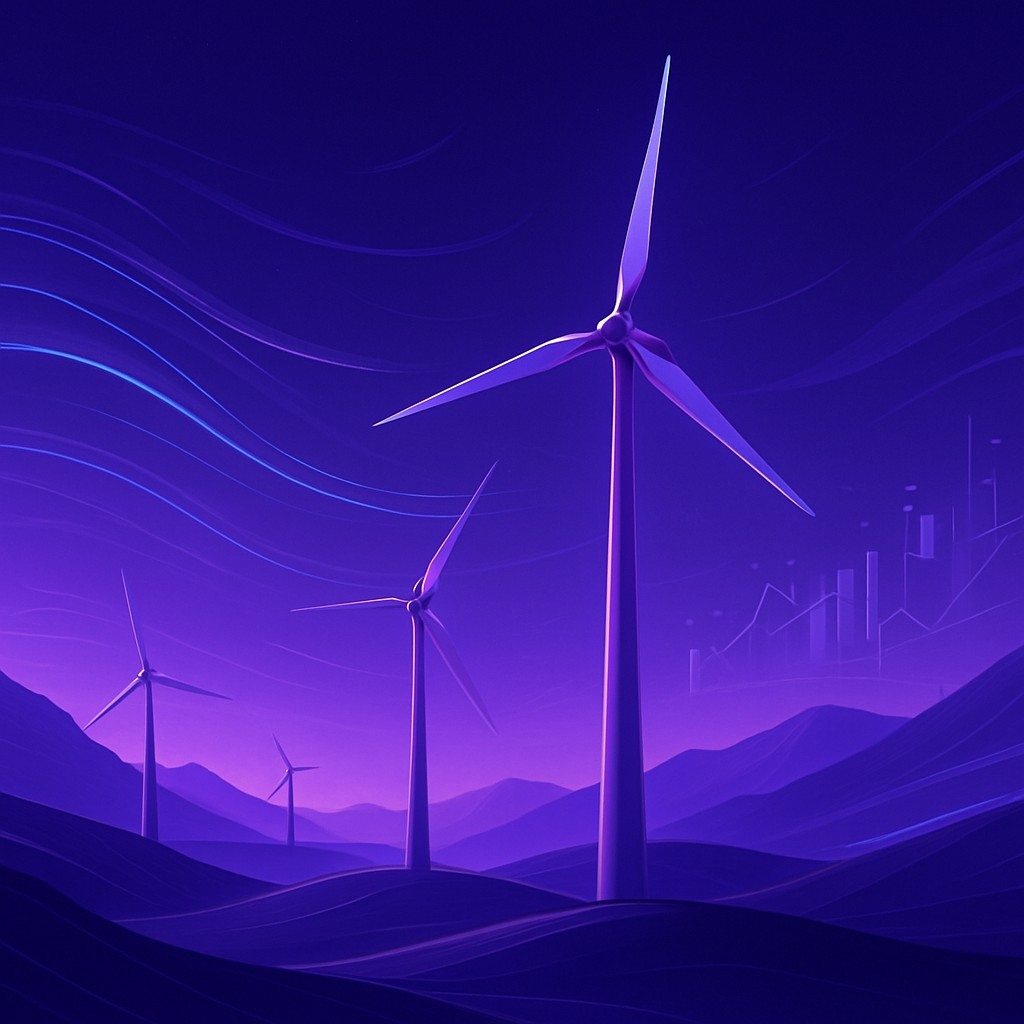
Harnessing the Wind in Tajikistan's Highlands
Tajikistan's energy story has long been written by water, but wind is increasingly entering the conversation as the country seeks to diversify its renewable portfolio. The nation's mountainous geography creates natural wind corridors, valleys, and elevated plateaus where consistent airflow can be captured for electricity generation. While wind remains a younger segment compared with hydropower and solar, its potential to complement existing sources is drawing growing interest from developers, engineers, and policymakers.
The appeal of wind energy lies in its ability to generate power during periods when other sources falter. Wind patterns often peak during seasons or times of day when solar output is low, making it a valuable partner in a balanced renewable system. For a country committed to energy security and sustainable growth, exploring wind is a logical next step.
The Case for Wind Power
Diversification is the key driver behind Tajikistan's interest in wind. Relying heavily on hydropower exposes the grid to seasonal fluctuations, particularly during dry winters. Wind energy can help fill these gaps, smoothing supply and reducing the risk of shortages. Additionally, wind installations have a relatively small land footprint, allowing turbines to coexist with agriculture and grazing in rural areas.
Wind also aligns with global climate commitments and the broader push toward clean energy. As turbine technology improves and costs decline, the economics of wind in mountainous regions become increasingly favourable. Companies that can accurately assess wind resources and deploy reliable equipment are well positioned to lead this emerging market.
The Top 10 Wind Energy Companies
1. Tajik Wind Power Developers. This pioneering company focuses on identifying and developing high-potential wind sites across the country. Its work in resource assessment and project planning lays the groundwork for future large-scale wind farms.
2. Highland Breeze Energy. Specialising in turbine installation in elevated terrain, this firm brings engineering expertise suited to Tajikistan's challenging landscapes. Its projects demonstrate how mountain corridors can be harnessed effectively.
3. WindTech Central Asia. A technology-focused enterprise, WindTech provides turbine maintenance, monitoring, and optimisation services. Its emphasis on performance ensures that installations deliver consistent output over time.
4. Aeolus Renewable Solutions. Named after the keeper of the winds, this company designs hybrid systems that combine wind with solar and storage. Its integrated approach maximises reliability for off-grid and grid-connected clients alike.
5. Pamir Wind Initiatives. Operating in remote highland regions, this venture explores small and medium wind turbines for community electrification. Its decentralised model brings power to areas far from the central grid.
6. SkyForce Energy Engineering. This consultancy delivers feasibility studies, wind mapping, and environmental assessments. Its rigorous analysis helps investors and developers make informed decisions about new projects.
7. Mountain Gale Power. Focused on small-scale turbines for farms, businesses, and rural facilities, Mountain Gale makes wind energy accessible at the local level. Its solutions are practical, durable, and tailored to Tajik conditions.
8. Zephyr Clean Energy. This company partners with international turbine manufacturers to import and deploy modern equipment. Its access to advanced technology strengthens the reliability of local installations.
9. Vertex Wind Systems. Providing engineering, procurement, and construction services, Vertex manages wind projects from concept to completion. Its full-service approach simplifies development for clients new to the sector.
10. Renewable Horizons Consortium. This collaborative initiative brings together public and private stakeholders to advance wind alongside other renewables. Its coordinated efforts aim to position wind as a meaningful contributor to the national energy mix.
Trends and Future Outlook
The wind sector in Tajikistan is still in its early stages, but momentum is building. Improved wind mapping and data collection are helping identify the most promising sites, while advances in turbine design make installations more efficient even at moderate wind speeds. Hybrid systems that combine wind with solar and storage are gaining traction, offering a robust solution to the intermittency of any single source.
Looking ahead, wind energy is likely to grow alongside Tajikistan's broader renewable ambitions. As the grid modernises and cross-border electricity trade expands, wind could become an important piece of the puzzle, adding flexibility and resilience to the system.
Choosing a Wind Energy Partner
Selecting the right wind energy company requires careful consideration of site conditions, technical expertise, and long-term support. Resource assessment is especially critical in mountainous terrain, where wind patterns can vary significantly over short distances. The companies featured here represent the pioneering spirit of Tajikistan's wind sector, combining engineering skill with a commitment to clean energy. As the country continues to diversify its renewable resources, these organisations are helping to capture the power of the wind and turn it into reliable electricity for communities and industries alike.