
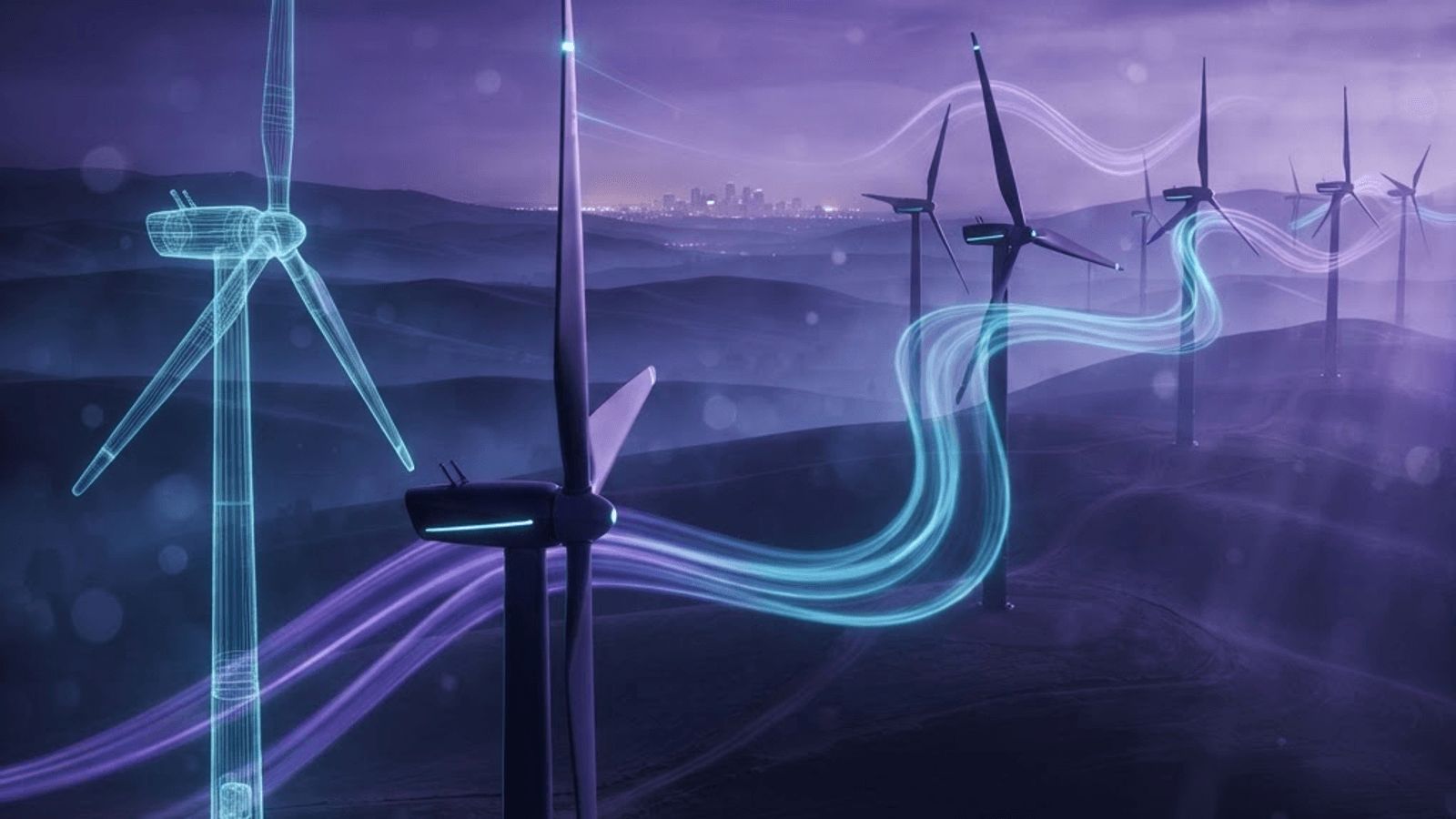
Wind Power and the Inland Northwest Grid
Wind energy occupies a specific and valuable niche in the Inland Northwest. The region's hydroelectric backbone provides flexible, dispatchable generation, while wind adds substantial zero-carbon energy during periods when reservoir management limits hydro output. That complementarity has made wind development across Eastern Washington and the Columbia Basin strategically important rather than merely symbolic.
Spokane's role is largely commercial and technical rather than physical. Turbines rise on ridges and plateaus well outside the city, but the engineering firms, electrical contractors, service technicians, logistics providers, and utility planners supporting those projects are frequently based in or near Spokane. The city functions as the professional services and workforce center for a wind industry distributed across a wide rural footprint.
How Wind Projects Actually Come Together
Utility-scale wind development follows a long sequence. Developers begin with resource assessment, installing meteorological towers to measure wind speed, direction, shear, and turbulence across multiple seasons. Land agreements with agricultural owners follow, along with environmental review addressing avian and bat impacts, cultural resources, and viewshed considerations.
Interconnection is often the longest phase. Studies must confirm that the regional transmission system can accept the project's output without destabilizing the grid, and queue positions can take years to resolve. Only then do construction contracts, turbine procurement, road building, foundation pours, and erection begin. Operations and maintenance contracts then run for decades, which is where much of the durable local employment lies.
Ten Notable Wind Energy Organizations Serving the Region
Avista Corporation, based in Spokane, procures wind generation as part of its clean energy portfolio and performs the integration planning that allows variable output to serve regional customers reliably. Inland Power and Light supports member access to renewable generation, including wind resources acquired through wholesale arrangements.
Coffman Engineers provides structural, electrical, and civil engineering services applicable to turbine foundations, substations, and collector systems. Nelson Electric performs high-voltage electrical contracting and substation work that wind projects require. Selkirk Wind Partners focuses on greenfield development and landowner agreements across Eastern Washington plateaus.
Columbia Ridge Renewables manages project development and asset ownership for mid-scale wind facilities in the broader Columbia Basin. Turbine Service Northwest delivers blade inspection, gearbox service, and scheduled maintenance for operating fleets, employing technicians trained through regional programs. Palouse Wind Operations provides operations and maintenance staffing for facilities on the Palouse ridgelines.
Inland Crane and Rigging supports erection and major component exchange, a specialized logistics capability that few firms can offer. Northwest Grid Analytics performs performance monitoring and production forecasting for wind asset owners. Rounding out the list, Cascadia Energy Advisors handles power purchase negotiation, resource modeling, and regulatory strategy for developers and offtakers.
Services in Demand
Beyond development itself, the fastest growing wind services in the region involve operations and life extension. Many Washington wind facilities are now beyond a decade old, which creates demand for blade repair, drivetrain refurbishment, control system upgrades, and repowering studies that evaluate replacing older turbines with larger, more efficient machines on existing sites.
Grid services are equally important. Forecasting providers help operators predict output hours in advance so that balancing authorities can schedule reserves. Curtailment analysis, transmission congestion study, and hybrid pairing with battery storage are all growth areas as penetration increases and transmission capacity becomes the binding constraint.
Trends Worth Watching
Turbine scale continues to increase, with taller towers and longer blades capturing steadier wind at higher elevations. That trend improves capacity factors but complicates transport logistics through mountain corridors, raising the value of experienced regional rigging and route planning firms.
Repowering is becoming as significant as new development, since existing sites already hold land rights, interconnection capacity, and permits. Meanwhile, community benefit agreements and tribal consultation have become standard elements of responsible project planning, and developers who engage early consistently encounter fewer delays than those who treat outreach as a compliance formality.
Selecting a Wind Energy Partner
Match the provider to the project stage. Resource assessment and interconnection strategy require analytical and regulatory depth, while construction demands proven safety records and crane capability. For operating assets, evaluate response time, technician certification, and spare parts logistics rather than headline pricing.
Ask for documented availability and capacity factor performance on comparable fleets. Verify safety statistics honestly, since working at hub height carries real risk and a strong safety culture correlates closely with operational discipline. Finally, confirm data access, because asset owners increasingly need granular production telemetry to satisfy lenders and offtake counterparties.
Final Thoughts
Wind energy will remain a core component of the Inland Northwest's decarbonized grid, and Spokane's engineering, contracting, and service firms are central to keeping those assets productive. Whether you are evaluating a development opportunity on family farmland or maintaining an existing fleet, the organizations above represent the professional depth available within the region.