
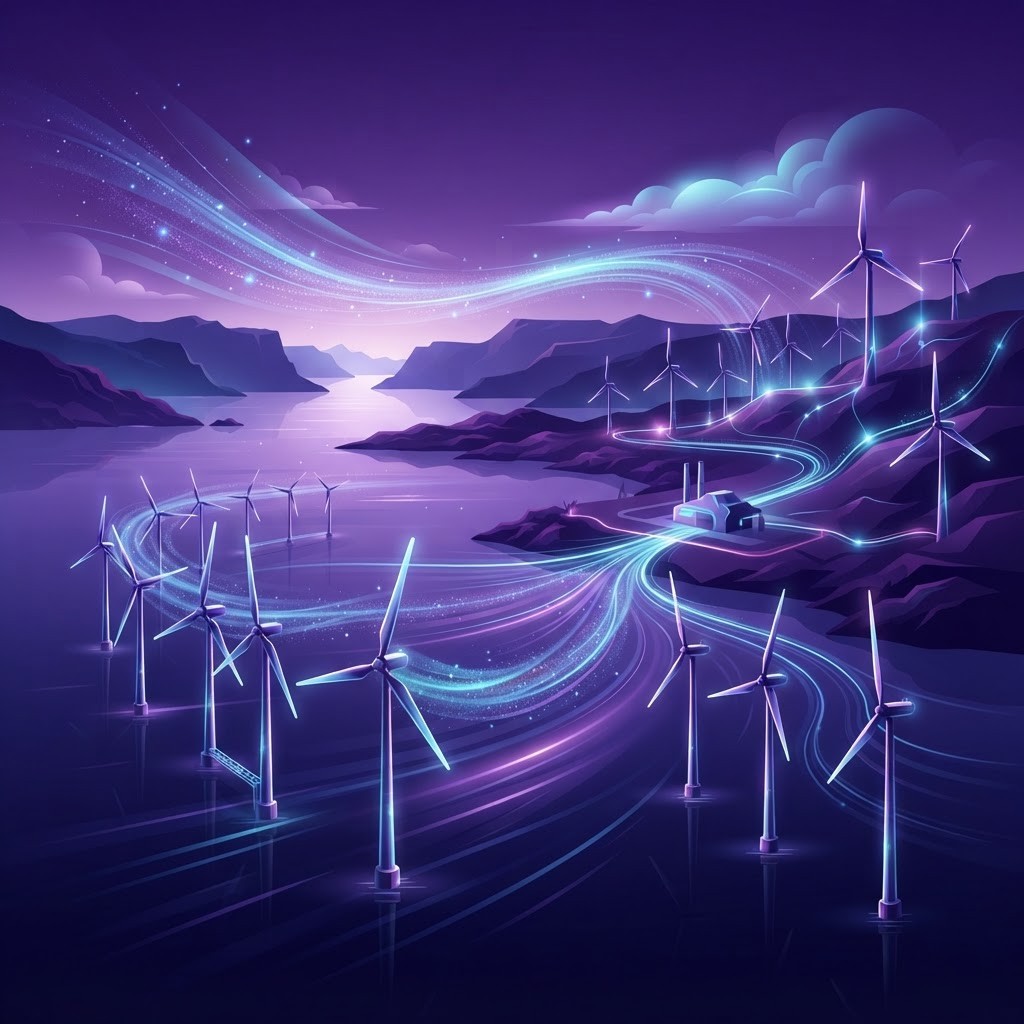
Wind Power in Norway's Energy Future
Wind energy is playing an increasingly important role in Norway's renewable energy landscape. While hydropower has long dominated the country's electricity supply, wind power, both onshore and offshore, is emerging as a key growth area. Norway's extensive coastline, strong winds, and deep maritime expertise make it especially well suited to develop wind energy, particularly offshore. The best wind energy companies in Norway are at the forefront of this exciting sector.
As global demand for clean energy rises, Norwegian companies are leveraging their engineering skills and offshore experience to become leaders in wind power development, both domestically and on the international stage.
Onshore Wind Development
Onshore wind farms have expanded significantly across Norway in recent years, taking advantage of favorable wind conditions in coastal and mountainous regions. These projects contribute clean electricity to the grid and support the country's climate goals.
Leading companies have developed and operate substantial onshore wind portfolios, applying advanced technology to maximize efficiency and minimize environmental impact. Careful planning and community engagement are essential to the successful development of onshore wind.
Leading Wind Energy Companies
Statkraft is a major force in wind energy, developing and operating both onshore and offshore wind projects in Norway and internationally as part of its broad renewable portfolio.
Equinor is a global leader in offshore wind, drawing on its extensive offshore experience to develop large-scale projects, including floating wind farms.
Fred. Olsen Renewables has a strong track record in wind power development, operating wind farms across several countries.
Aker Offshore Wind and related Aker entities are pioneering offshore wind development, particularly floating wind technology suited to deep waters.
Cloudberry Clean Energy focuses on onshore wind and hydropower, developing and operating renewable assets in the Nordic region.
Other notable companies include NBT, active in wind energy development; Magnora, developing offshore and onshore wind projects; Zephyr, a wind power developer; Norsk Vind Energi, focused on onshore wind; and Vargronn, investing in offshore wind projects.
The Offshore Wind Opportunity
Offshore wind represents one of the most significant opportunities for Norway's energy sector. The country's long coastline, strong and consistent offshore winds, and deep waters make it ideal for offshore wind development, including floating wind technology.
Norway's decades of experience in offshore oil and gas operations provide a strong foundation for offshore wind. The skills, technology, and supply chains developed for the petroleum industry are highly transferable, giving Norwegian companies a competitive advantage.
Floating Wind Technology
Floating offshore wind is a particularly promising area where Norwegian companies are leading the way. Unlike traditional offshore wind turbines fixed to the seabed, floating turbines can be deployed in deep waters, unlocking vast new areas for wind power development.
Norwegian firms have pioneered floating wind projects, demonstrating the technology's viability and positioning themselves at the cutting edge of this emerging market. As floating wind matures, it could become a major source of clean energy globally.
Leveraging Maritime Expertise
Norway's maritime heritage is a key asset in the development of wind energy. The country's expertise in offshore engineering, marine operations, and shipbuilding supports the construction, installation, and maintenance of wind farms. This deep well of experience gives Norwegian companies a distinct edge in the offshore wind sector.
The transition from oil and gas to offshore wind also provides opportunities to redeploy skilled workers and infrastructure toward clean energy, supporting a just and sustainable energy transition.
Balancing Development and Environment
As wind energy expands, balancing development with environmental and community considerations is essential. Norwegian companies work to minimize the impact of wind projects on landscapes, wildlife, and local communities. Careful site selection, environmental assessments, and stakeholder engagement are integral to responsible development.
This balanced approach helps ensure that wind energy contributes to a sustainable future while respecting Norway's natural environment and the interests of local communities.
Trends and Future Outlook
The wind energy sector in Norway is set for substantial growth, particularly in offshore and floating wind. Ambitious climate targets, rising demand for clean electricity, and technological advances are driving investment and development. Government support and international collaboration are further accelerating the sector's expansion.
Norwegian companies are well positioned to capitalize on these opportunities, both by developing domestic projects and by exporting their expertise and technology to international markets.
The Future of Wind Energy in Norway
Wind energy is becoming an increasingly important part of Norway's renewable energy mix and a major growth opportunity for its companies. With strong natural resources, deep maritime expertise, and leadership in floating wind technology, Norway is well positioned to become a global leader in wind power.
The companies featured here are driving this transformation, developing clean energy projects at home and abroad. Their innovation, expertise, and commitment to sustainability make them key contributors to the global energy transition and to Norway's clean energy future.