
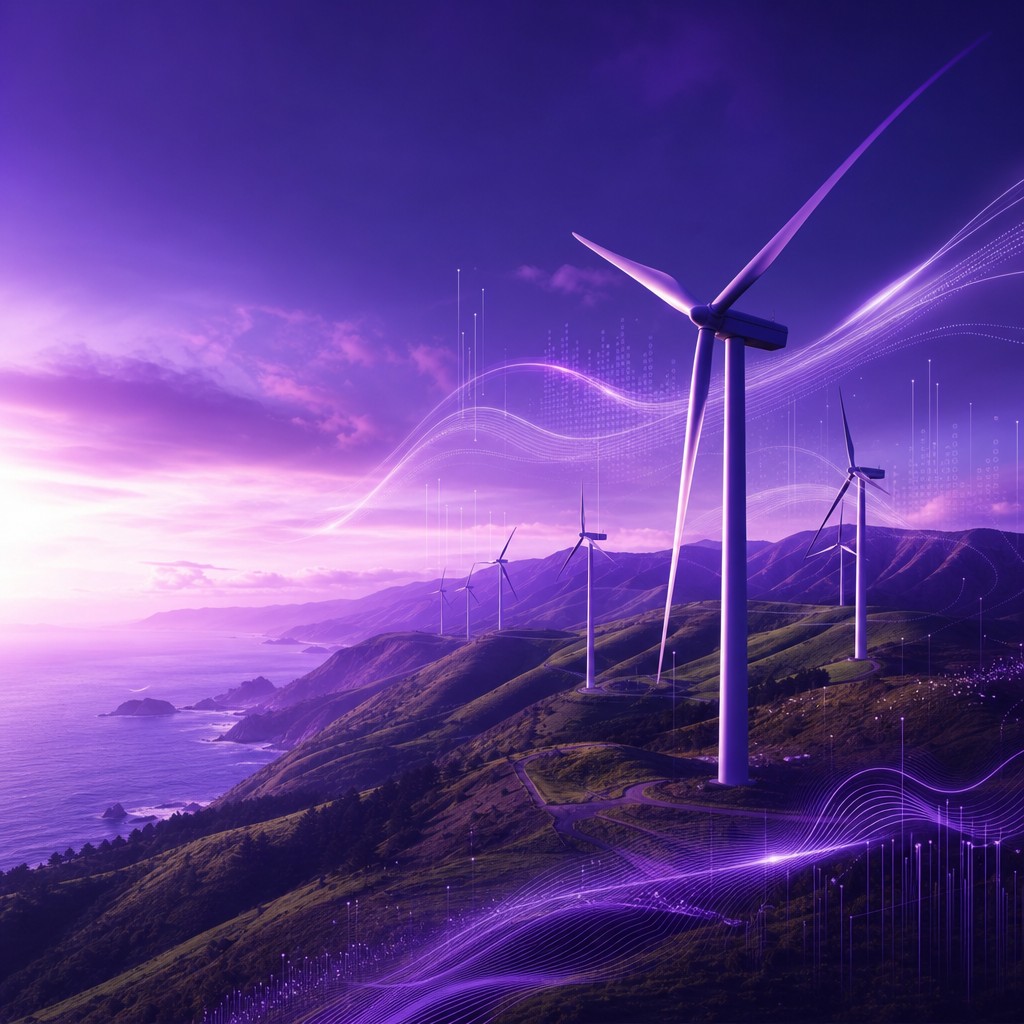
Wind Energy: El Salvador's Next Clean Frontier
While geothermal and solar dominate El Salvador's renewable headlines, wind energy represents a promising and increasingly studied frontier. The country's varied topography, including coastal plains and mountainous ridges, offers pockets of favorable wind resources. As measurement campaigns mature and turbine technology improves, developers are evaluating where utility-scale wind farms could complement the existing generation portfolio and add valuable diversity to the grid.
Why Wind Matters for the Energy Mix
Wind generation is highly complementary to solar because it often peaks at different times of day and across different seasons. Combining the two reduces reliance on any single source and improves overall grid stability. For El Salvador, adding wind capacity would further decrease dependence on imported fossil fuels, support price stability, and strengthen the nation's standing as a regional clean energy leader. Even modest wind development can deliver meaningful resilience benefits.
Companies and Developers Driving Wind Forward
Grupo CEL, the state generation entity, plays a central role in assessing new renewable opportunities, including wind resource studies that inform national planning.
AES El Salvador brings deep operational expertise and the financial capacity to evaluate and potentially develop wind projects alongside its solar and distribution assets.
Neoen, with global experience operating wind farms across multiple continents, is a natural candidate to introduce utility-scale wind expertise to the Salvadoran market.
Tracia Network and regional renewable developers conduct feasibility analysis and resource assessment for prospective sites.
Inversiones Energéticas supports diversification efforts and could integrate wind generation into its trading and supply operations.
Vestas-affiliated suppliers provide turbine technology, maintenance services, and engineering support essential for any future wind buildout.
Siemens Gamesa partners offer advanced turbine platforms suited to variable wind regimes found in Central America.
Regional EPC firms deliver the civil and electrical construction capabilities needed to erect turbines and connect them to the grid.
Environmental consultancies conduct impact studies that ensure wind projects respect local ecosystems and communities.
Engineering and meteorological firms install measurement masts and analyze long-term wind data, laying the groundwork for bankable projects.
Technical Considerations
Developing wind power requires rigorous resource assessment, including multi-year wind measurement, terrain analysis, and grid interconnection studies. Modern turbines are taller and more efficient than earlier models, capturing energy even at moderate wind speeds. Careful siting minimizes environmental impact while maximizing output, and robust maintenance programs keep turbines running reliably over decades.
Benefits and Challenges
The benefits of wind include zero-emission generation, complementary output profiles, and long asset lifespans. Challenges include identifying consistently windy sites, securing financing for relatively new technology in the local context, and building grid infrastructure to evacuate power from often remote locations. Companies that combine thorough resource data with strong execution capability are best positioned to overcome these hurdles.
The Outlook for Wind in El Salvador
Although wind remains nascent compared to geothermal and solar, the groundwork being laid today could unlock a new generation of clean power. As measurement data accumulates and global turbine costs decline, the prospects for viable wind projects improve. The companies and developers featured here are the pioneers most likely to bring this resource online, adding another sustainable pillar to El Salvador's increasingly diversified and forward-looking energy landscape.