
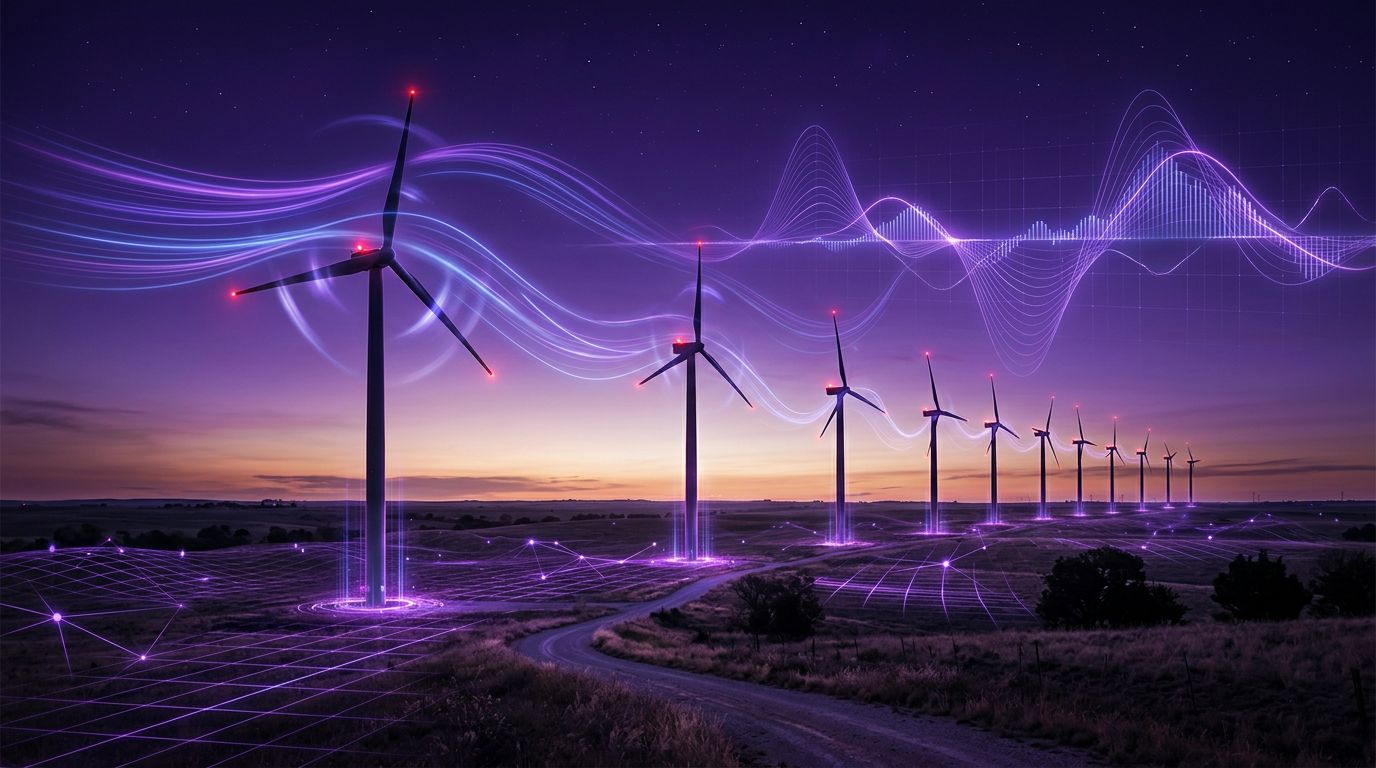
Texas Leads the Nation in Wind Power
Texas is the undisputed leader in American wind energy. Vast plains in West Texas and the Panhandle, along with strong coastal winds, support thousands of turbines that supply a significant share of the state's electricity. Major transmission investments have connected these remote wind resources to population centers, transforming the state's power grid.
While large wind farms are not located within College Station city limits, the community plays an important role in the industry. Texas A&M University trains engineers, conducts research on wind systems and grid integration, and partners with industry. Many energy professionals in the region work for developers, manufacturers, and service providers active across Texas.
How the Wind Energy Industry Works
The wind industry includes developers that secure land and permits, manufacturers that design and build turbines, construction firms that install projects, operators that maintain them, and utilities and buyers that purchase the power. Research institutions support innovation in turbine design, forecasting, and grid reliability.
The Top 10 Wind Energy Companies and Institutions Relevant to College Station
1. NextEra Energy Resources
NextEra Energy Resources is among the world's largest wind energy operators. Its extensive Texas portfolio contributes significantly to the state's clean energy capacity.
2. Invenergy
Invenergy develops and operates wind farms across Texas and beyond. Its projects include repowering older facilities with modern turbines to increase output.
3. Enel North America
Enel North America operates multiple Texas wind farms and integrates wind with solar and storage resources for a balanced energy portfolio.
4. RWE Clean Energy
RWE Clean Energy is a major wind operator in Texas with large-scale projects contributing to grid supply. It also invests in solar and storage across the state.
5. Pattern Energy
Pattern Energy develops wind farms and transmission infrastructure. Its Texas projects highlight the importance of connecting remote resources to demand centers.
6. Apex Clean Energy
Apex Clean Energy develops wind projects in partnership with rural landowners and communities. Its approach emphasizes long-term economic benefits for host counties.
7. Vestas
Vestas is a leading global wind turbine manufacturer with a strong United States service network. Many Texas wind farms rely on Vestas turbines and maintenance services.
8. GE Vernova
GE Vernova manufactures onshore wind turbines and provides digital solutions for performance optimization. Its technology is widely deployed across Texas.
9. Siemens Gamesa
Siemens Gamesa designs and manufactures wind turbines and offers service solutions. Its equipment supports wind projects throughout the United States.
10. Texas A&M Engineering Experiment Station
The Texas A&M Engineering Experiment Station supports research in energy systems, power grid reliability, and advanced engineering. Its work helps address technical challenges facing the wind industry and trains future energy professionals.
Wind Energy Trends in Texas
Repowering is a major trend, as developers replace older turbines with larger, more efficient models that generate more electricity from the same sites. Integration with battery storage is increasing, helping smooth variability and improve grid reliability.
Offshore wind along the Gulf Coast has drawn interest as a future opportunity, though onshore wind remains dominant in Texas. Grid modernization and transmission expansion continue to be critical, ensuring wind energy reaches customers efficiently. Workforce demand for wind technicians, among the fastest-growing occupations in the country, presents career opportunities for Brazos Valley residents and graduates.
Opportunities for the Brazos Valley
College Station contributes to the wind industry through talent and research. Engineering graduates pursue careers in turbine design, project development, and grid operations. Local businesses provide engineering, environmental, legal, and financial services to energy companies. Landowners in surrounding rural counties may also encounter wind development opportunities, which require careful evaluation of lease terms and long-term impacts.
How to Engage With the Wind Industry
Professionals interested in wind energy careers can explore engineering programs, technician training, and industry internships. Businesses may find opportunities as suppliers or service providers. Landowners approached about wind leases should consult experienced attorneys and financial advisors before signing agreements that may last decades.
Frequently Asked Questions
Why does Texas produce so much wind power?
Texas combines strong, consistent wind resources with vast open land, a supportive market structure, and major transmission investments that link remote wind farms to large cities.
What does a wind turbine technician do?
Technicians inspect, maintain, and repair turbines, often working at significant heights. The role requires mechanical, electrical, and safety training, and demand for skilled technicians remains strong across Texas.
How do landowners benefit from wind projects?
Landowners typically receive lease payments or royalties for hosting turbines, while counties may benefit from increased tax revenue. Agreements are long-term, so legal review of decommissioning, access, and compensation terms is essential.
Final Thoughts
Wind energy is a cornerstone of Texas's clean energy leadership, and College Station supports the industry through research, education, and professional expertise. The companies and institutions on this list are shaping the future of wind power in the Lone Star State. As technology advances and demand grows, the Brazos Valley is well positioned to remain an important contributor.