
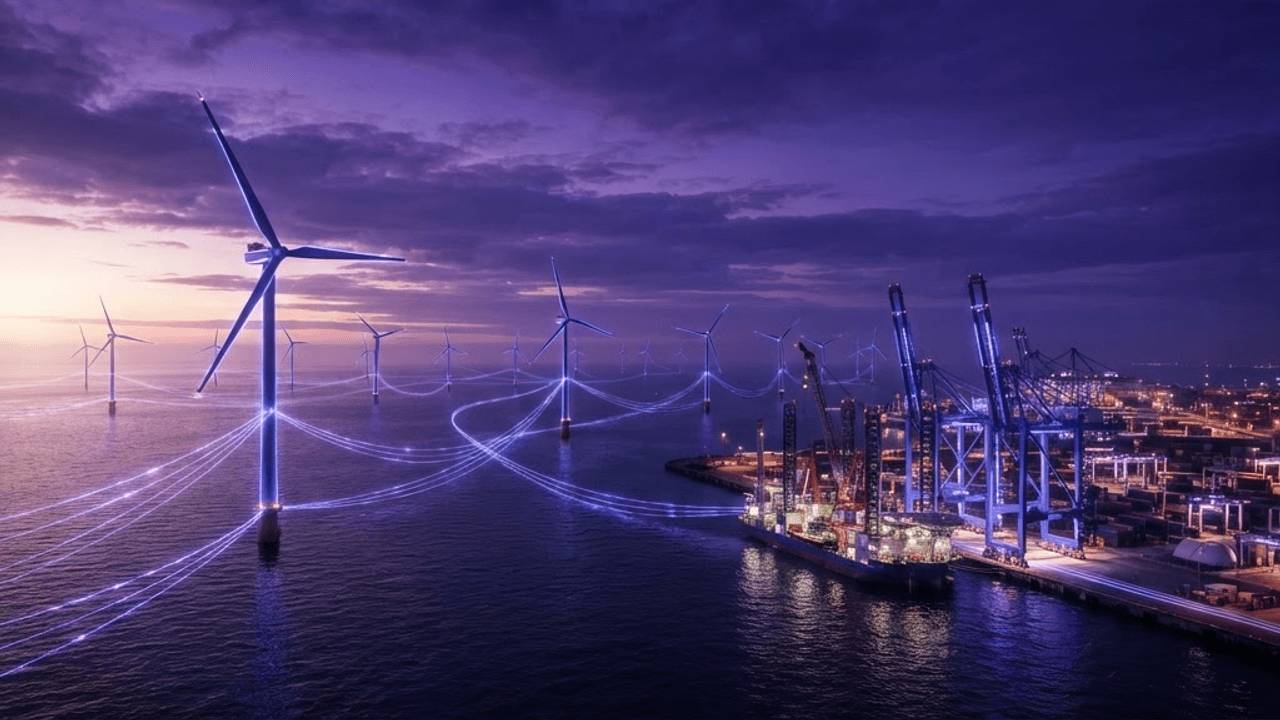
Bridgeport and the Offshore Wind Industry
Offshore wind is one of the most important emerging industries in the Northeast, and Bridgeport's harbor has become a strategic asset. With deepwater access, industrial waterfront land, and proximity to wind lease areas off Southern New England, the city is well positioned to host staging, assembly, and operations activities for offshore wind projects.
Wind energy companies are investing in port infrastructure, training programs, and local supply chains across Connecticut. These investments create jobs in construction, logistics, marine services, engineering, and manufacturing while supporting the state's clean energy goals. Although the industry has faced policy shifts and project delays, long-term demand for clean electricity continues to drive planning and investment.
How We Selected These Companies
We evaluated each organization's involvement in Northeast offshore wind, project experience, technology leadership, workforce and community investment, and relevance to Bridgeport's port and economy.
1. Vineyard Offshore
Vineyard Offshore is a developer of offshore wind projects in Southern New England and has identified Bridgeport as a location for port and operations activity. Its projects aim to deliver clean power to the regional grid while supporting local jobs and supplier opportunities.
2. Avangrid
Avangrid is an established renewable energy developer and parent company of The United Illuminating Company. Its experience developing large wind projects and its investment in transmission and grid infrastructure make it a key regional player.
3. Orsted
Orsted is the global leader in offshore wind development, with multiple projects serving New England and New York. It has invested heavily in Connecticut port infrastructure, workforce training, and supply chain development.
4. Equinor
Equinor is an international energy company developing offshore wind projects off the East Coast. Its expertise in large-scale marine energy operations and floating wind technology supports the industry's long-term growth.
5. GE Vernova
GE Vernova manufactures some of the world's largest offshore wind turbines. Its technology powers major East Coast projects, and its long history in Connecticut adds a meaningful regional connection.
6. Siemens Gamesa Renewable Energy
Siemens Gamesa is a leading manufacturer of wind turbines, including advanced offshore models. Its equipment and service expertise support projects throughout the Atlantic coast.
7. Connecticut Port Authority
The Connecticut Port Authority oversees strategic port development across the state, including initiatives that support offshore wind operations. Its planning helps coordinate investment in waterfront infrastructure.
8. Crowley Wind Services
Crowley provides marine logistics, vessel services, and port operations for offshore wind projects. Its maritime expertise helps move massive turbine components safely and efficiently.
9. Eversource Energy
Eversource has been involved in offshore wind development and continues to play a key role in transmission and grid integration, ensuring that wind power reaches Connecticut homes and businesses.
10. Housatonic Community College and Regional Training Partners
Workforce training programs in the Bridgeport area prepare residents for careers in offshore wind, including safety certification, maritime skills, and technical trades, which ensures that local workers benefit from the industry's growth.
Wind Energy Trends
Offshore wind turbines are growing larger and more efficient, requiring specialized port facilities and vessels. Floating wind technology may eventually open deeper waters to development. Connecticut's clean energy procurement goals and regional cooperation among New England states continue to support long-term planning, even as projects adjust to changing federal policy and market conditions.
Opportunities for Local Businesses
The offshore wind supply chain is broad, and many opportunities exist for Bridgeport companies that have never worked in energy before. Machine shops and fabricators can produce components and tooling. Marine contractors can provide crew transfer vessels and dock services. Trucking and warehousing companies can handle logistics. Hotels, restaurants, and caterers benefit from project workers. Environmental consultants, engineers, and safety trainers are also in demand. Supplier registration programs and industry associations help local firms connect with developers and prime contractors.
Preparing for a Career in Wind Energy
Residents interested in offshore wind careers can start with industry-recognized safety training, electrical and mechanical apprenticeships, maritime credentials, or engineering degrees. Many roles do not require a four-year degree, especially in construction trades, vessel operations, and turbine maintenance. Regional colleges, union training centers, and workforce boards regularly offer programs aligned with employer needs, making it easier for Bridgeport residents to enter this growing field.
How Communities Benefit
Offshore wind investments can bring port redevelopment, skilled jobs, supplier contracts, and tax revenue to Bridgeport. Community benefit agreements and workforce programs help ensure that residents, including those from historically underserved neighborhoods, can access career opportunities.
Frequently Asked Questions
Will wind turbines be visible from Bridgeport? Most offshore wind lease areas serving the region are located far offshore, so turbines are generally not visible from Bridgeport's shoreline. Port activity is the most visible local impact.
What jobs does offshore wind create? Jobs include port operations, marine services, construction, engineering, electrical work, and long-term maintenance technicians.
Does wind power lower electricity bills? Over time, large-scale wind can help stabilize prices by reducing reliance on volatile fossil fuel markets.
Final Thoughts
Bridgeport's harbor gives the city a unique role in the future of American offshore wind. The companies and organizations in this guide are building the infrastructure, technology, and workforce needed to turn that opportunity into lasting economic and environmental benefits.