
Warehousing Demand in the Lowell Area
The Lowell region has become an attractive location for warehousing and distribution. Its position at the crossroads of I-495, Route 3, and I-93 provides fast access to Boston, southern New Hampshire, and the rest of New England. Many historic mill buildings have been repurposed for offices and housing, while modern distribution facilities have grown in surrounding towns such as Billerica, Tewksbury, Chelmsford, and Wilmington.
Local manufacturers, retailers, and online brands need flexible storage, accurate inventory management, and fast order fulfillment. Some require temperature-controlled storage for food or pharmaceuticals, while others need secure facilities for high-value electronics. Here are ten of the best warehousing providers serving Lowell businesses.
Top 10 Warehousing Companies Serving Lowell
1. DHL Supply Chain
DHL Supply Chain is one of the largest contract logistics providers in North America. It operates sophisticated warehouses with automation, robotics, and advanced warehouse management systems, serving industries such as technology, life sciences, and retail.
2. GXO Logistics
GXO is a pure-play contract logistics company known for technology-driven warehousing. Its use of robotics, automation, and data analytics helps businesses improve accuracy and speed, particularly for e-commerce and omnichannel retail.
3. Ryder System
Ryder provides warehousing, distribution, and e-commerce fulfillment services alongside its transportation solutions. Its integrated approach makes it easy for companies to manage storage and delivery through a single partner.
4. Lineage
Lineage is a global leader in temperature-controlled warehousing. Its cold storage facilities support food producers, grocery distributors, and pharmaceutical companies that need strict temperature management throughout the supply chain.
5. Americold Realty Trust
Americold operates a large network of cold storage warehouses across North America. It is a trusted partner for food manufacturers and retailers that require frozen and refrigerated storage, as well as related logistics services.
6. Saddle Creek Logistics Services
Saddle Creek offers warehousing, fulfillment, and transportation services tailored to retail and consumer goods companies. Its customer-focused approach and flexible solutions appeal to mid-sized brands looking to scale.
7. ShipBob
ShipBob is a tech-enabled fulfillment platform designed for direct-to-consumer brands. It provides inventory storage, order fulfillment, and analytics through a network of warehouses, allowing Lowell e-commerce businesses to offer fast, affordable shipping.
8. ShipMonk
ShipMonk provides fulfillment services for e-commerce businesses, subscription boxes, and crowdfunding campaigns. Its intuitive software integrates with popular sales platforms and offers real-time inventory visibility.
9. Amazon Fulfillment by Amazon
Fulfillment by Amazon allows sellers to store products in Amazon fulfillment centers and have Amazon handle picking, packing, shipping, and customer service. It is a powerful option for Lowell sellers who rely heavily on the Amazon marketplace.
10. Prologis
Prologis is the world's largest owner of logistics real estate. While it does not operate warehouses for clients, it leases modern distribution facilities to businesses that prefer to run their own operations, including properties throughout eastern Massachusetts.
How to Choose a Warehousing Partner
Start by defining your storage and fulfillment requirements, including product types, volume, seasonality, and order profiles. Consider whether you need specialized services such as temperature control, hazardous materials handling, kitting, or returns processing. Location matters too, since a warehouse close to your customers can reduce shipping costs and transit times.
Evaluate providers on technology, accuracy rates, scalability, and integration with your sales channels and enterprise systems. Visit facilities when possible, and ask for references from businesses similar to yours.
In-House Versus Outsourced Warehousing
Some Lowell companies prefer to run their own warehouses to maintain direct control over inventory and quality. Others outsource to third-party logistics providers to avoid long-term leases, labor management, and technology investments. Outsourcing often makes sense for growing companies with fluctuating volumes, while in-house operations may suit businesses with stable, specialized needs. A hybrid model, using a provider for overflow or seasonal peaks, offers a middle path.
Trends in Warehousing
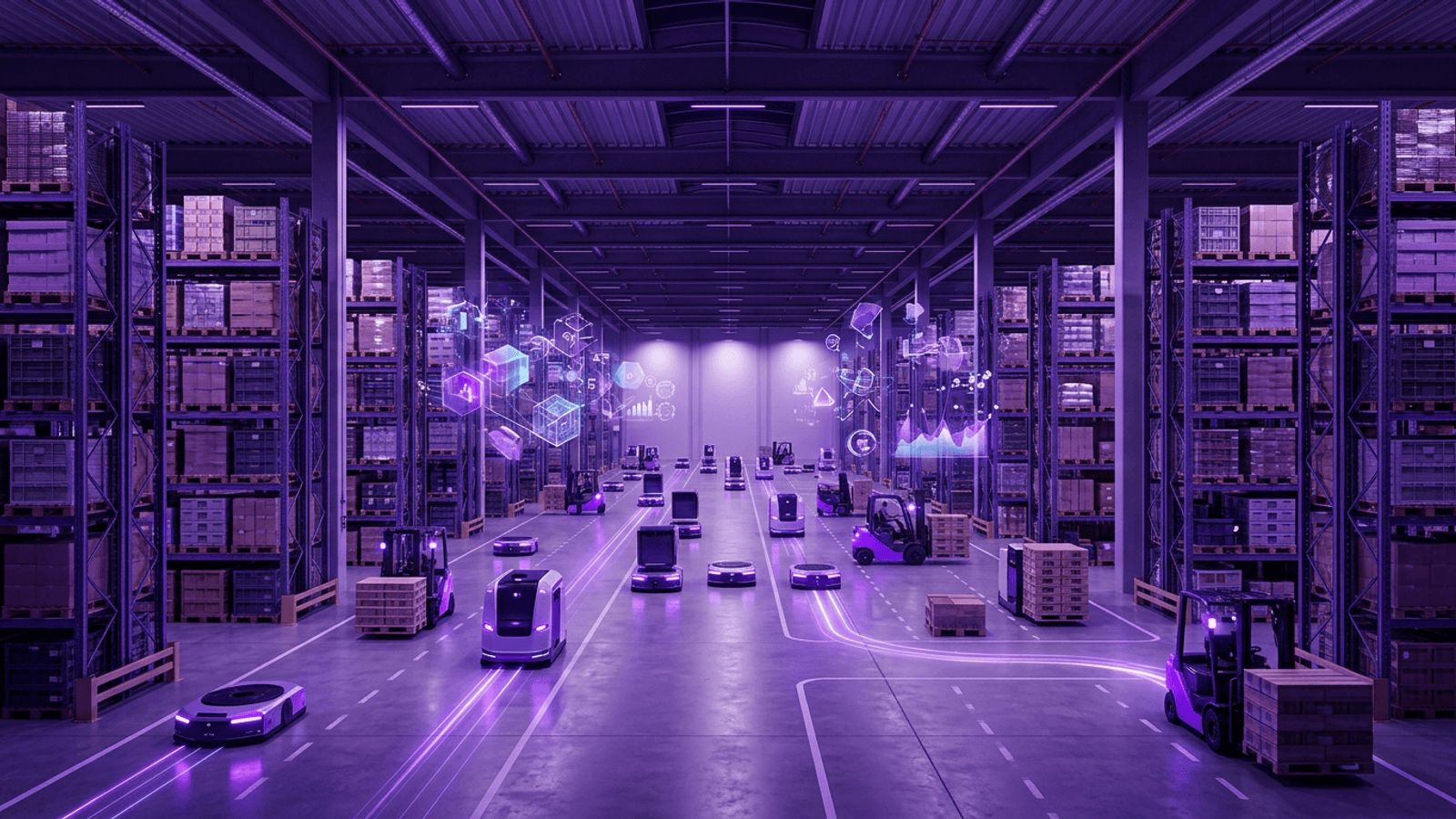
Automation and robotics are transforming warehouse operations, improving productivity and reducing errors. Demand for e-commerce fulfillment continues to grow, driving interest in smaller urban facilities closer to customers. Sustainability initiatives, such as solar-powered warehouses and energy-efficient lighting, are increasingly common, and real-time inventory visibility has become a standard expectation.
Frequently Asked Questions
How is warehousing typically priced?
Pricing is usually based on storage space, often per pallet or per square foot, plus handling fees for receiving, picking, packing, and shipping. Some providers also charge account management or technology fees.
What is a warehouse management system?
A warehouse management system is software that tracks inventory, directs picking and packing, and provides real-time visibility. Integration with your online store or ERP system is important for accuracy.
Can a warehouse handle seasonal spikes?
Many third-party providers specialize in scaling up during peak seasons, such as the holiday shopping period, by adding labor and space as needed.
Final Thoughts
Lowell businesses have access to world-class warehousing providers that can support growth and improve customer satisfaction. By carefully assessing your needs and selecting a partner with the right capabilities, you can build a more efficient and resilient supply chain.