
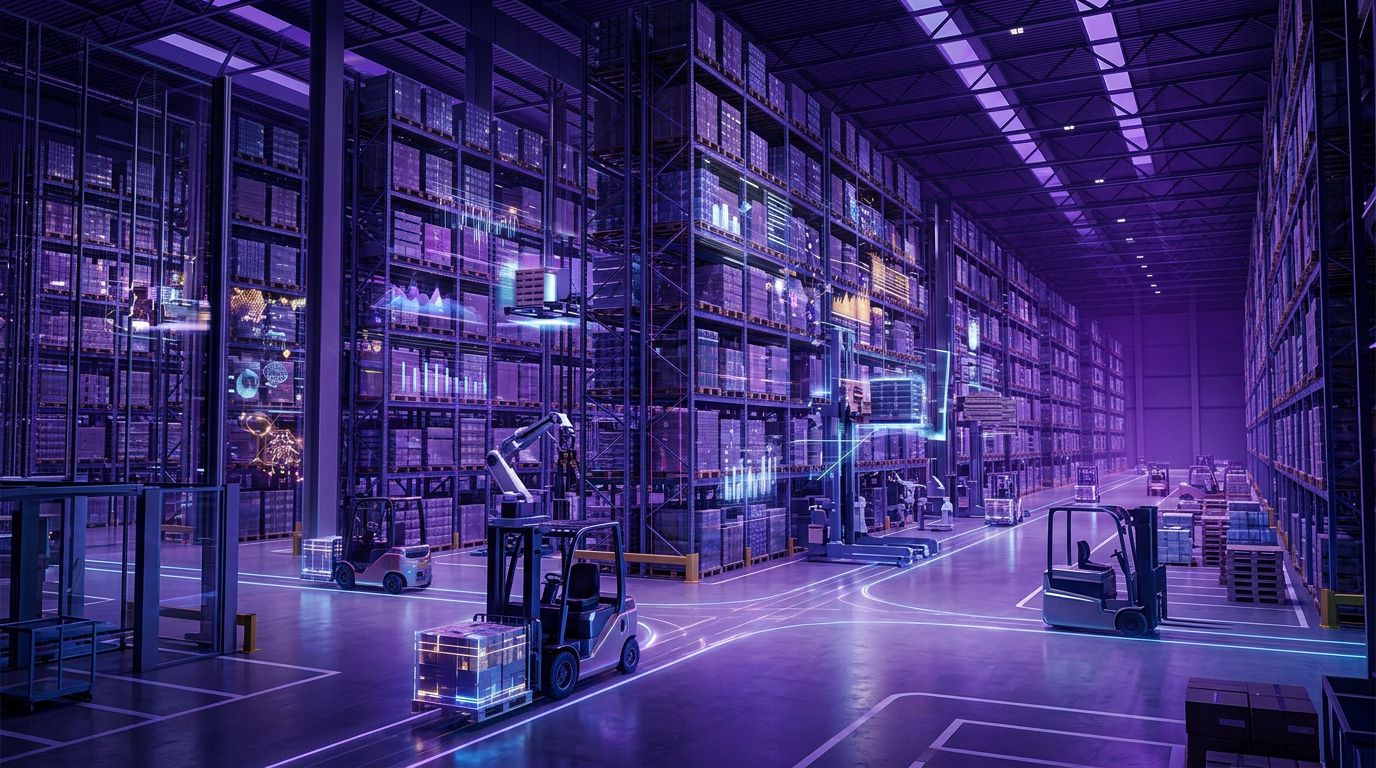
Warehousing in the Kansas City Region
Warehousing is a cornerstone of the Kansas City economy, and Independence businesses benefit from proximity to a remarkable variety of facilities. The region is known for its central location, competitive real estate, and access to interstates and rail. It is also home to unique underground storage spaces carved into limestone, which provide naturally stable temperatures and humidity.
Whether a company needs e-commerce fulfillment, cold storage, or long-term inventory storage, choosing the right warehousing partner can improve delivery times, reduce costs, and support growth.
How We Ranked These Companies
We considered facility quality, specialization, technology, scalability, presence in the Kansas City metro, and reputation for service.
The Top 10 Warehousing Companies
1. Hunt Midwest SubTropolis
SubTropolis is a vast underground business complex in Kansas City created from limestone mining. Its stable environment and secure setting make it ideal for food storage, records, and manufacturing.
2. Americold
Americold is a global leader in temperature-controlled warehousing. Food producers and distributors rely on its cold storage facilities for frozen and refrigerated products.
3. Lineage
Lineage is one of the world's largest cold storage providers, known for advanced automation and data-driven supply chain solutions.
4. Prologis
Prologis is a global logistics real estate leader that develops and leases modern distribution facilities. Many businesses in the metro operate from Prologis buildings.
5. NFI Industries
NFI provides warehousing, distribution, and transportation services with a focus on customized solutions for retail and consumer goods companies.
6. Saddle Creek Logistics Services
Saddle Creek offers omnichannel fulfillment, warehousing, and transportation services, helping brands manage both retail and e-commerce orders.
7. GEODIS
GEODIS is a global logistics provider offering contract logistics, freight forwarding, and distribution services, with strong capabilities in retail and industrial sectors.
8. ID Logistics
ID Logistics specializes in contract logistics and e-commerce fulfillment, using modern technology to optimize warehouse operations.
9. Ryder
Ryder offers warehousing and distribution services as part of its supply chain solutions. Its integrated approach combines storage with transportation management.
10. Flexe
Flexe provides on-demand warehousing through a network of facilities, allowing businesses to scale storage and fulfillment capacity without long-term leases.
Warehousing Trends
Automation and robotics are transforming warehouses, improving speed and accuracy in picking and packing. E-commerce growth continues to increase demand for fulfillment centers close to customers. Cold storage capacity is expanding as consumers buy more fresh and frozen products online. Sustainability efforts, including solar panels and energy-efficient lighting, are also gaining traction.
Tips for Choosing a Warehousing Partner
Define your storage and fulfillment requirements, including temperature needs, order volume, and growth expectations. Visit facilities to assess cleanliness, security, and organization. Ask about warehouse management systems and integration with your sales channels. Review contract terms, pricing structures, and performance metrics carefully.
Local Insights for Independence Businesses
One of the Kansas City region's most distinctive advantages is underground warehousing. Limestone caves created by decades of mining have been turned into secure, climate-stable business spaces that require less energy to heat and cool. These spaces have attracted food companies, document storage firms, and manufacturers that value consistent conditions. Above ground, modern distribution centers with high ceilings and many dock doors continue to rise across the metro, including in eastern Jackson County.
Independence companies also benefit from the region's central location. A warehouse in the Kansas City area can reach a large portion of the U.S. population within two days by ground, which is attractive for e-commerce brands that want to offer fast shipping without multiple fulfillment centers.
Frequently Asked Questions
What is the difference between public and contract warehousing?
Public warehousing typically offers flexible, short-term storage priced per pallet or per transaction. Contract warehousing involves a longer agreement with dedicated space, labor, and customized processes.
How is warehousing priced?
Pricing often includes storage fees per pallet or square foot, handling fees for receiving and shipping, and charges for value-added services such as kitting, labeling, or returns processing.
Do I need temperature-controlled storage?
If you store food, beverages, pharmaceuticals, cosmetics, or electronics that are sensitive to heat or humidity, climate-controlled or cold storage is often essential.
How can I tell if a warehouse is well run?
Ask for inventory accuracy rates, order accuracy metrics, safety records, and client references. A well-run facility will share these openly.
Planning for Growth
A warehouse that fits today may feel cramped within a year if sales grow quickly. When evaluating partners, ask how they handle peak season volume, whether additional space is available in the same building or region, and how quickly they can onboard new products. Flexible agreements and scalable technology protect businesses from costly moves later and keep customer service consistent during busy periods.
Final Thoughts
Independence businesses have access to some of the best warehousing options in the country. These ten companies offer the facilities and expertise needed to support efficient and scalable supply chains.