
Why Warehousing Keeps Expanding in Central Iowa
Warehouse development around Des Moines has accelerated for reasons that are structural rather than cyclical. The metro sits where Interstate 35 and Interstate 80 cross, giving one-day truck access to a large share of the American population and overnight reach to most of the Midwest. Land and construction costs remain lower than in Chicago or the coasts. Labor availability, while tighter than it once was, is still more favorable than in saturated distribution markets. Utility capacity and reliability are strong. And Iowa's agricultural and food processing base generates constant demand for storage that does not depend on consumer cycles.
The result is a corridor of modern distribution facilities stretching from Grimes and Urbandale through Ankeny and Altoona, with older industrial stock closer to the city core still serving businesses that need proximity rather than clear height. For a company evaluating warehousing here, the challenge is no longer finding space. It is choosing the right operating model.
Ten Warehousing and Fulfillment Providers in the Des Moines Area
1. Ruan Logistics brings the credibility of a Des Moines headquarters and decades of supply chain operation. Its dedicated and integrated logistics offerings suit manufacturers and food companies that want warehousing and transportation managed as one system rather than two contracts.
2. Ryder Supply Chain Solutions operates warehousing and distribution capability throughout the Midwest with strong technology and labor management practices. Ryder is a common choice for companies that need scalable operations and standardized reporting across multiple markets.
3. NFI Industries provides contract warehousing, distribution, and transportation services and has expanded its Midwest footprint significantly. Its strength is designing and operating facilities to a customer's specific process rather than fitting the customer into a generic operation.
4. GEODIS offers contract logistics and e-commerce fulfillment with substantial automation experience. For growing direct-to-consumer brands that expect to outgrow manual picking, a provider with real automation capability prevents an expensive migration later.
5. DHL Supply Chain is among the largest contract logistics operators globally and brings well-developed processes for inventory accuracy, continuous improvement, and multi-client warehousing. Multi-client operations let smaller shippers access modern facilities and systems without funding a dedicated building.
6. Americold and temperature-controlled specialists serve Iowa's food and agricultural economy specifically. Cold storage is a fundamentally different business from ambient warehousing, with different capital requirements, energy profiles, and food safety compliance obligations. Companies handling perishables should evaluate cold chain specialists rather than general warehousers.
7. Regional public warehousing operators across the metro provide pay-as-you-go storage measured in pallet positions, with handling charges for receiving and shipping. This model is ideal for seasonal overflow, project inventory, and companies whose volume cannot justify a lease.
8. Third-party e-commerce fulfillment providers serving central Iowa handle the specific requirements of online retail: individual order picking, kitting, branded packing, returns processing, and integration with shopping cart and marketplace platforms. Their value is measured in cost per order rather than cost per square foot.
9. Bonded and foreign trade zone facilities allow importers to defer or avoid duties on goods that are stored, re-exported, or processed before entering commerce. For Iowa manufacturers importing components, the cash flow impact can be significant enough to justify the administrative overhead.
10. Self-storage and flex industrial operators occupy the smallest tier but serve real needs. Contractors, small distributors, and growing e-commerce sellers often start in flex space with a dock and a small office, which is far more practical than a full warehouse lease during early growth.
Choosing an Operating Model
The first decision is not which provider but which model. Public warehousing offers maximum flexibility with variable cost and no commitment, at a higher per-unit price. Contract warehousing offers dedicated space, customized processes, and lower per-unit cost, in exchange for a multi-year commitment and volume risk. Third-party fulfillment bundles labor, systems, and often shipping rates, which suits e-commerce companies that want to buy an outcome rather than manage an operation. Owning or leasing your own facility offers total control and the best economics at scale, but consumes capital and management attention.
A practical rule is that variable, uncertain, or seasonal volume belongs in public or third-party warehousing, while stable, predictable, high-volume flow eventually justifies dedication.
What to Evaluate in a Warehousing Partner
Inventory accuracy is the single most important metric and the one most providers describe vaguely. Ask for cycle count accuracy figures, how they are measured, and what the provider does when accuracy slips. Ask about order accuracy and on-time shipping performance, and request the actual reporting rather than a summary.
Examine the warehouse management system. Modern systems support real-time visibility, lot and serial tracking, expiration date management, and integration with your systems through APIs rather than nightly file transfers. Providers running outdated or heavily customized legacy systems tend to struggle with integration.
Physical attributes matter too: clear height determines storage density, dock door count determines throughput, and sprinkler classification determines what commodities can legally be stored. Food-grade operations require documented sanitation programs and third-party audit certification.
Labor is the quiet risk. Ask about turnover rates and how the provider staffs peak season. A facility with excellent systems and a revolving workforce will still make errors.
Cost Structures Explained
Warehousing pricing typically separates storage from handling. Storage is charged per pallet position or per square foot per month. Handling covers receiving, put-away, picking, and loading, often priced per pallet, case, or order line. Value-added services such as labeling, kitting, or returns processing are billed separately. The common budgeting error is modeling only storage cost, which typically represents a minority of total spend for an active operation.
Trends Shaping the Market
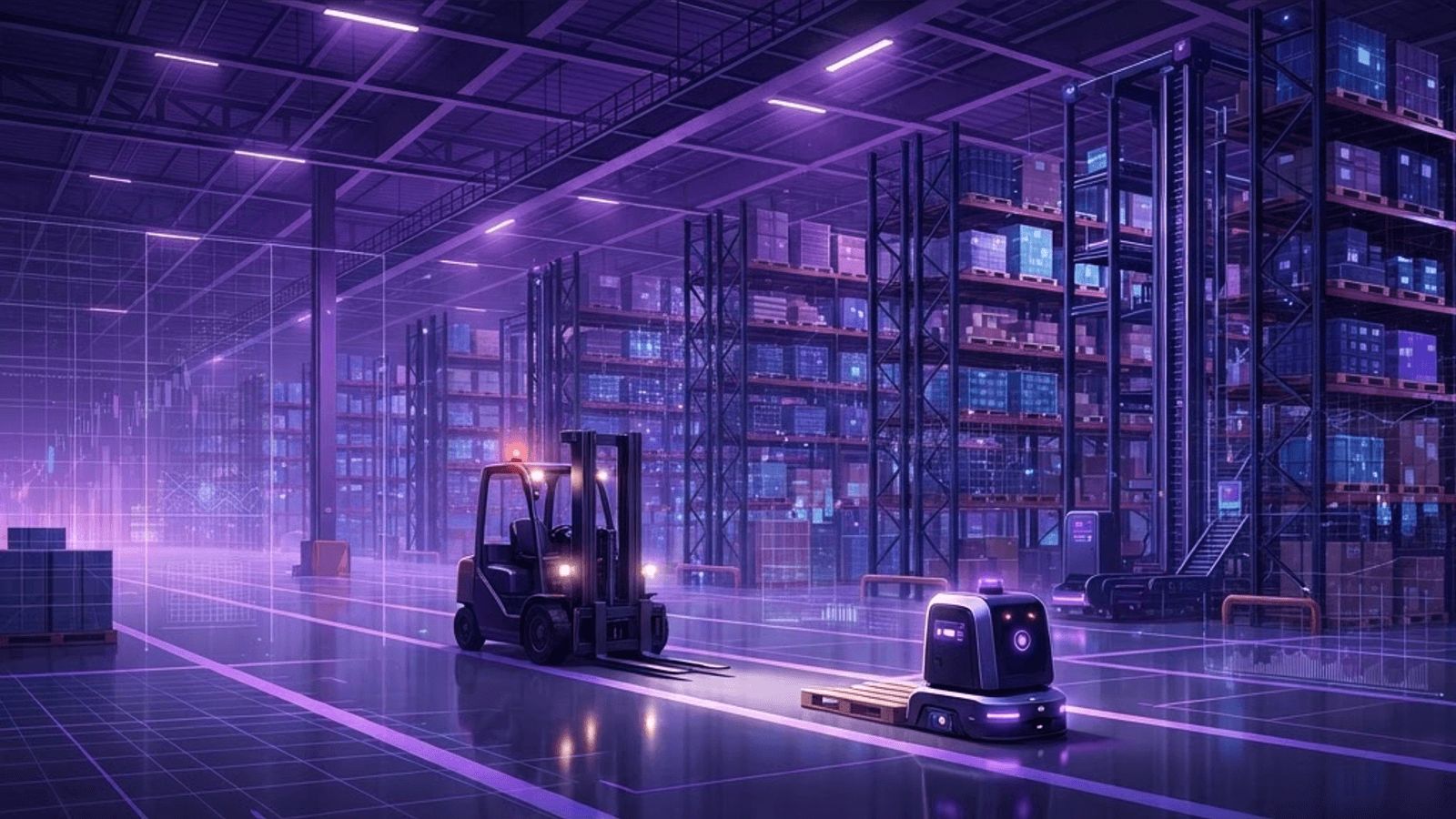
Automation is arriving at smaller scales, with goods-to-person systems and autonomous mobile robots becoming financially viable for mid-sized operations rather than only for giants. Sustainability requirements are prompting solar installations, LED retrofits, and reporting on energy intensity. And network design is shifting toward regional distribution, which favors central Iowa specifically because a facility here can reach an unusually large market within one day.
Getting the Decision Right
Warehousing decisions are difficult to reverse quickly, so invest in the evaluation. Visit facilities unannounced if possible, talk to floor supervisors rather than only sales teams, request references from customers with similar product profiles, and model total landed cost including inbound and outbound freight rather than warehousing in isolation. Central Iowa offers enough quality options that a thorough process will produce a genuinely good outcome.