
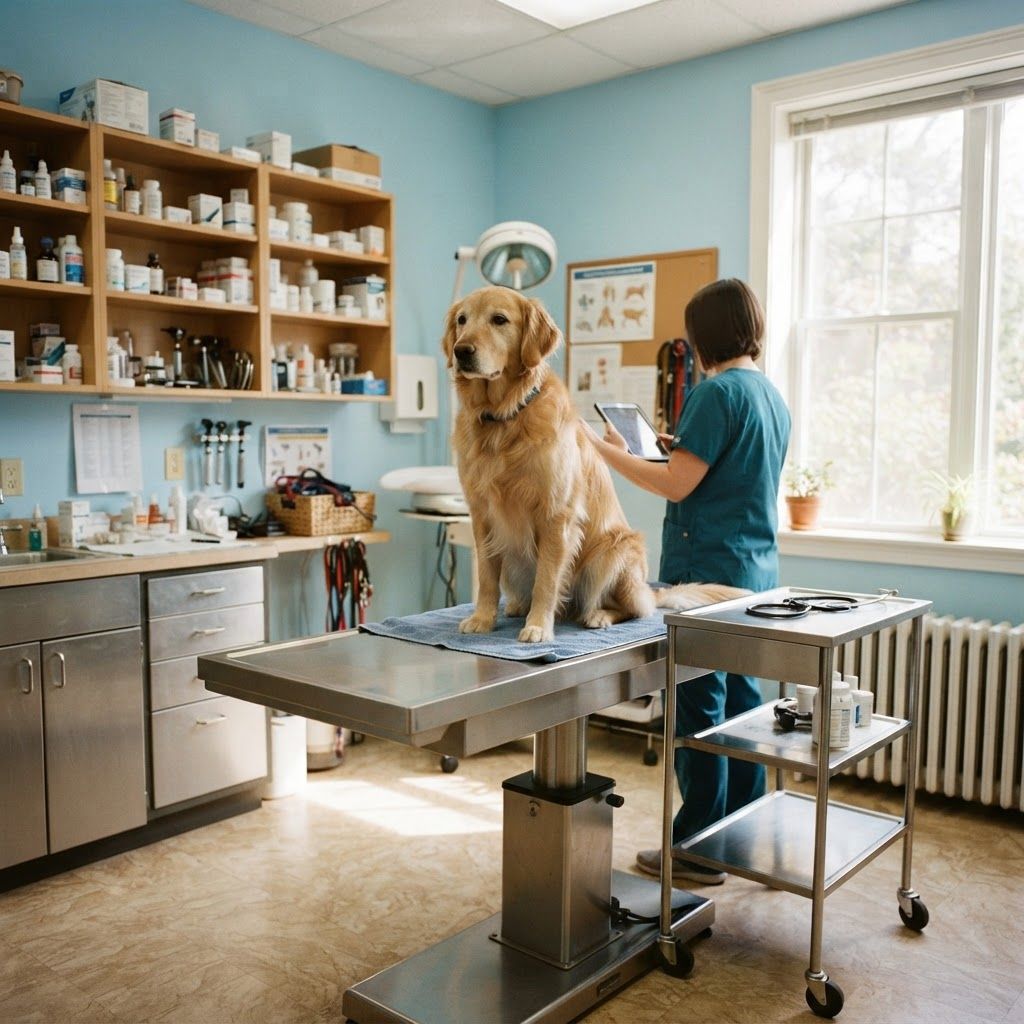
St. Louis is a genuinely pet-friendly city. Dog parks anchor neighborhood social life, breweries keep water bowls by the patio door, and the region's rescue and adoption network is among the more active in the Midwest. That culture has supported a deep veterinary market, with strong general practices in nearly every neighborhood, a growing number of emergency and specialty hospitals, and access to a veterinary teaching hospital within driving distance for complex cases. For pet owners, the challenge is less about finding a vet and more about building the right care relationship before an emergency forces a rushed decision.
General Practice, Emergency, and Specialty Care
Veterinary medicine mirrors human healthcare in structure. General practices handle wellness exams, vaccinations, dental cleanings, routine surgery, and chronic disease management, and they should be your primary relationship. Emergency and urgent care hospitals operate extended or around-the-clock hours for trauma, toxin ingestion, bloat, and acute illness. Specialty referral centers employ board-certified internists, surgeons, cardiologists, oncologists, ophthalmologists, and neurologists for advanced diagnostics and treatment. Knowing in advance which local hospital handles overnight emergencies for your area can save critical time.
The 10 Best Veterinary Clinics in St. Louis
1. Veterinary Specialty Services
A leading referral and emergency hospital in the metro, Veterinary Specialty Services brings together board-certified specialists across surgery, internal medicine, oncology, cardiology, and critical care. Advanced imaging and around-the-clock intensive care make it the destination for the region's most serious cases.
2. Hillside Animal Hospital
A well-regarded general practice with a loyal client base, Hillside is known for thorough exams, unhurried appointments, and clear communication about treatment options and costs. It exemplifies the kind of primary care relationship that prevents emergencies.
3. Animal Medical Center of Mid-America
Combining general practice with community-focused programs, this clinic serves a broad cross-section of St. Louis pet owners and has a strong reputation for accessible preventive care and spay and neuter services.
4. Kirkwood Animal Hospital
Serving one of the metro's most established suburbs, Kirkwood Animal Hospital offers wellness care, dentistry, soft tissue surgery, and diagnostics with the continuity that comes from long-tenured veterinarians who know families and their pets across generations.
5. Gravois Mills and Southside Veterinary Clinics
South city practices like these fill a critical role, delivering affordable, straightforward general care to dense residential neighborhoods. Clients cite honest recommendations and reasonable pricing as the main draws.
6. Town and Country Veterinary Hospital
This practice pairs comprehensive general medicine with a comfortable, low-stress clinical environment. Fear-free handling techniques and separate waiting flow for cats and dogs are meaningful differentiators for anxious animals.
7. VCA Veterinary Hospitals St. Louis Locations
VCA's regional hospitals provide general practice, urgent care, and in some locations specialty services, backed by standardized protocols and a national network for records and referrals. Wellness plan options help owners spread routine costs.
8. Chesterfield Valley Animal Hospital
Serving the growing western suburbs, this hospital offers modern facilities, in-house laboratory work, digital imaging, and surgical services, with a client base that values same-day diagnostics and efficient turnaround.
9. Webster Groves Animal Hospital
A neighborhood institution, Webster Groves Animal Hospital combines primary care with boarding and grooming, making it convenient for owners who prefer a single trusted provider for all pet services.
10. Humane Society of Missouri Veterinary Medical Center
Beyond its adoption and rescue work, the Humane Society of Missouri operates veterinary services that expand access to care, including affordable spay and neuter and vaccination programs. It plays an important role in regional animal welfare.
How to Choose the Right Veterinarian
Start with logistics and hours, then evaluate communication style. A good veterinarian explains diagnostic reasoning, presents options at different price points, and documents recommendations clearly. Ask whether the practice offers written estimates before procedures, how after-hours emergencies are handled, and whether the same veterinarian will consistently see your pet. For anxious animals, ask specifically about low-stress or fear-free handling training. If you have an exotic pet, a bird, or a reptile, confirm species-specific experience rather than assuming a dog and cat practice can help.
Cost, Insurance, and Preventive Value
Veterinary costs in St. Louis are generally moderate compared with major coastal metros, but advanced care has become genuinely expensive as diagnostic and surgical capability has improved. Pet insurance has grown accordingly, and it is most valuable when purchased while a pet is young and healthy, before conditions become pre-existing exclusions. Regardless of insurance, preventive care remains the highest-return spending: dental care, weight management, parasite prevention, and annual bloodwork for senior pets catch problems while they are still inexpensive to treat.
Trends in Local Veterinary Care
Demand has outpaced the supply of veterinarians nationally, and St. Louis is no exception, which means booking routine appointments further ahead is now normal. In response, urgent care clinics have expanded to absorb cases that do not require a full emergency hospital. Telemedicine follow-ups are increasingly used for recheck conversations and behavior consultations. There is also growing attention to end-of-life care, with in-home hospice and euthanasia services giving families a gentler alternative to a final clinic visit.
Final Thoughts
Choose a general practice you trust before you need one, and know your nearest emergency hospital by name and route. The best veterinary clinics in St. Louis distinguish themselves less by equipment than by clarity, compassion, and willingness to help owners make informed decisions within real budgets. That relationship is what protects your pet over a lifetime.