
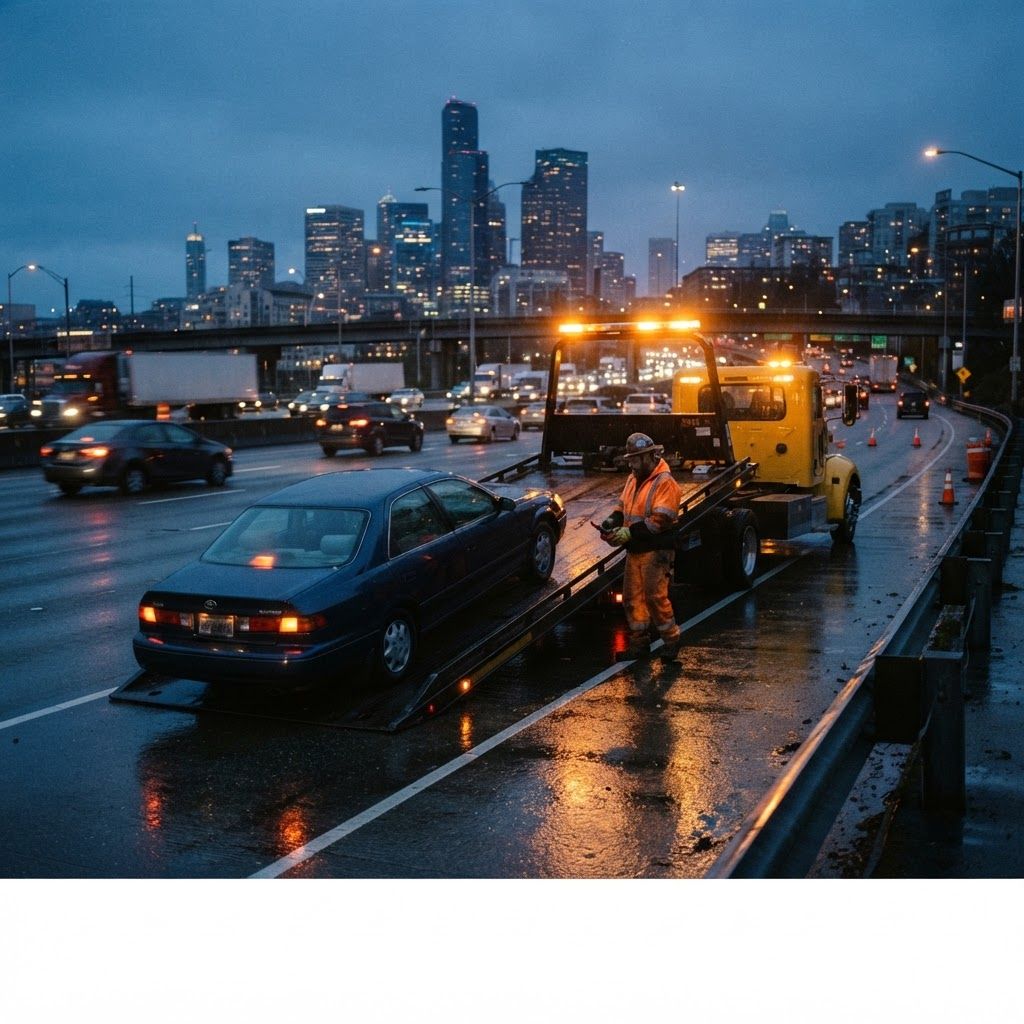
Towing in a Metro Area Built Around Highways
The St. Louis region is organized around a dense interstate network, and that shapes towing demand in specific ways. Interstates 64, 44, 55, 70 and 270 carry heavy commuter and freight volume, and incidents on these corridors require operators who can respond quickly, work safely in live traffic and coordinate with law enforcement. Add river bridges, older city streets with tight turning radii, and winter conditions that produce clusters of simultaneous calls, and the difference between a well-equipped operator and a marginal one becomes substantial.
Local towing needs also extend well beyond breakdowns. Accident recovery, private property enforcement, motorcycle transport, classic and exotic vehicle transport, heavy duty commercial recovery, equipment hauling and long-distance relocation each require different equipment and expertise.
Ten Reliable Towing and Roadside Resources in St. Louis
1. AAA Missouri and its contracted network remains the most widely used option in the region. Membership covers towing within defined mileage limits, battery service, lockout assistance, fuel delivery and tire changes, and the dispatch infrastructure is mature. For most drivers, membership costs less than a single out-of-pocket long tow.
2. Manufacturer roadside assistance programs included with new vehicle warranties provide coverage that many owners forget they have. These programs typically dispatch through vetted local operators and often require towing to a franchise dealership, which is convenient for warranty repairs.
3. Insurance-based roadside coverage through major carriers operates similarly, with towing reimbursed or arranged directly. Reviewing the policy before an emergency clarifies mileage caps and whether the coverage applies to any driver of the vehicle.
4. Established independent local towing companies across the metro area form the operational backbone of the industry. The strongest ones run modern flatbeds, maintain twenty-four hour dispatch and carry proper licensing and insurance. Identifying one and saving the number before trouble arrives is the single most useful preparation a driver can make.
5. Flatbed specialists matter for all-wheel drive vehicles, low-clearance sports cars, electric vehicles and any vehicle with drivetrain damage. Towing these on a wheel-lift can cause expensive secondary damage, so operators with adequate flatbed capacity are essential.
6. Heavy duty recovery operators serve the commercial trucking traffic moving through the region. Rotator equipment, air cushion recovery systems and certified operators are required for overturned tractor-trailers, box trucks and buses, and these companies typically coordinate directly with law enforcement on highway incidents.
7. Motorcycle transport specialists use appropriate cradles, straps and ramps to move bikes without damaging forks, fairings or exhaust systems. Riders should confirm equipment specifically rather than accepting a general tow truck.
8. Enclosed transport providers serve collector, exotic and show vehicles, protecting against weather and road debris during transport. Owners of high-value vehicles in the region rely on these operators for both local moves and interstate shipping.
9. Municipal and law enforcement rotation operators handle accident scenes, abandoned vehicles and impound situations. Understanding that vehicles removed from crash sites go to designated storage lots, and that daily storage fees accrue quickly, helps owners act fast to limit costs.
10. Mobile mechanic and battery service providers are worth listing because many calls do not actually require a tow. Jump starts, tire changes, lockouts, fuel delivery and simple on-site repairs can restore mobility at lower cost and with far less delay than transport to a shop.
Equipment and Credentials That Signal Quality
Ask whether the operator is running a flatbed or a wheel-lift, and match that to your vehicle's drivetrain. Confirm the company carries on-hook and garage-keepers insurance, which protects the vehicle while in the operator's custody. Verify licensing and that drivers are trained in traffic incident management, a genuine safety concern on regional interstates. Reputable operators quote a base hook fee plus a clear per-mile rate before dispatch and will confirm that quote in a text message.
Avoiding Predatory Practices
Unfortunately, towing attracts bad actors, particularly around accident scenes and private property enforcement. Warning signs include operators who arrive uninvited at a crash site, refuse to quote rates, demand cash payment only, or pressure a driver into choosing a specific repair facility. Drivers should never allow a vehicle to be hooked without a written or texted rate quote and should confirm the destination facility themselves. On private property tows, Missouri and Illinois regulations govern signage and notification requirements, and documenting conditions with photographs protects vehicle owners in disputes.
Electric Vehicle Considerations
Electric and hybrid vehicles introduce specific requirements. Most electric vehicles must be transported on a flatbed because towing with drive wheels on the ground can damage motors and regenerative braking components. After collisions involving battery damage, operators need training in high-voltage safety and appropriate storage separation. Owners should state the powertrain type when calling for service so the correct equipment is dispatched.
Preparing Before You Need Help
Store two towing contacts in your phone, keep your insurance and roadside membership information accessible, and know your vehicle's drivetrain layout. Maintain a small emergency kit with reflective triangles, a flashlight, gloves and a phone battery pack. On highways, move as far right as conditions allow, activate hazard lights and, when traffic is heavy and fast, stay belted inside the vehicle rather than standing on the shoulder.
Conclusion
Towing quality in St. Louis varies widely, and the choice usually happens under stress. Establish coverage through a membership program, manufacturer plan or insurance rider, identify a reputable local operator in advance, and insist on clear rate quotes and correct equipment. Those three steps convert a potentially expensive and unsafe situation into a manageable inconvenience.