
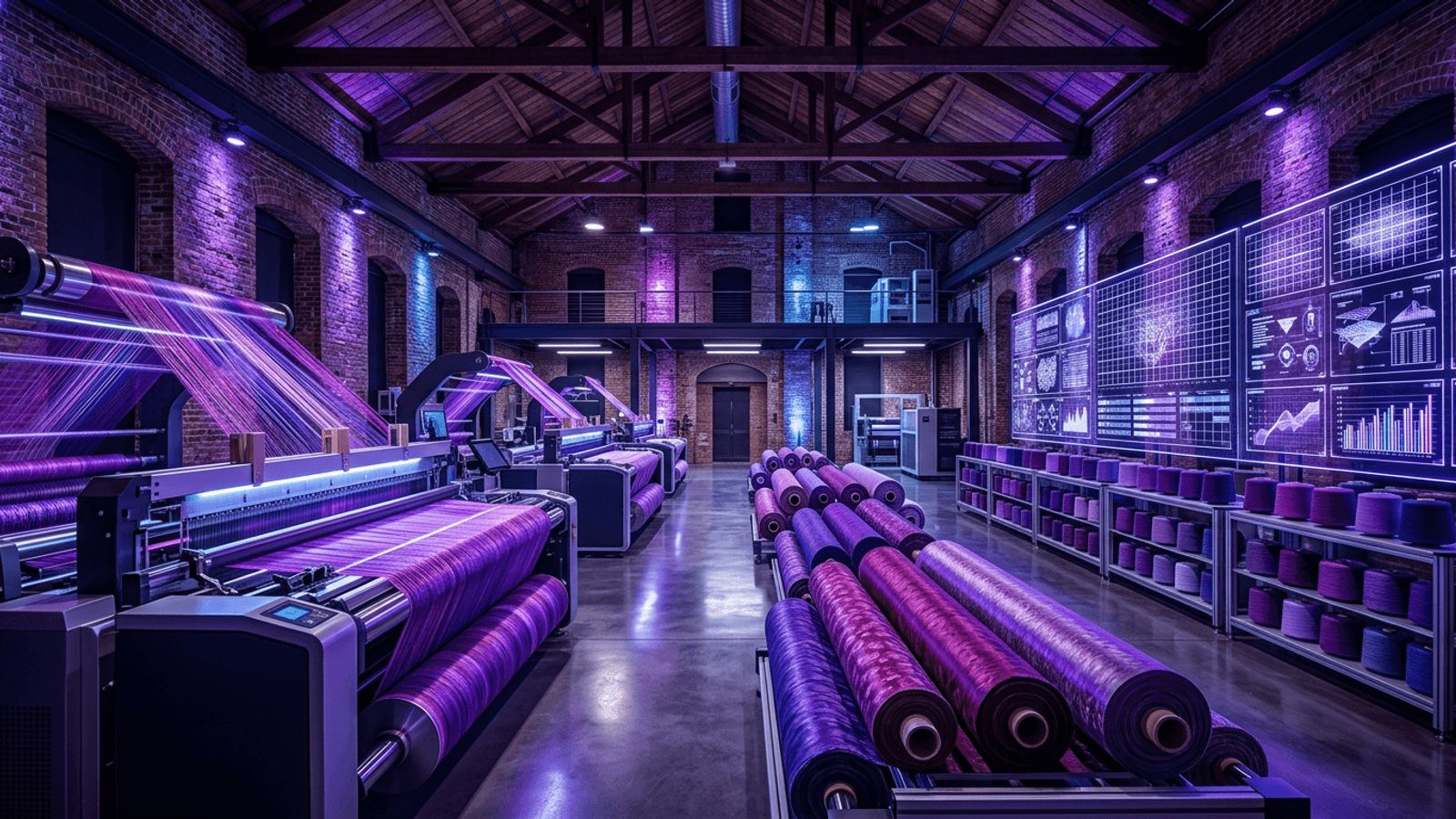
Lynn's Manufacturing Heritage
Lynn, Massachusetts, was once known as the shoe capital of the world. During the nineteenth and early twentieth centuries, its factories produced millions of pairs of shoes each year, and the city's workers helped pioneer early labor movements. The brick factory buildings that still line streets near downtown are a reminder of that industrial past, and many have been converted into lofts, studios, and creative spaces.
Lynn's shoe industry was closely connected to New England's broader textile economy, which included cotton and wool mills in Lowell, Lawrence, Fall River, and New Bedford. While much textile production moved overseas, the region still hosts innovative manufacturers producing technical fabrics, performance materials, footwear, and specialty textiles. These companies combine heritage craftsmanship with advanced technology.
The Modern Textile Industry in New England
Today's New England textile manufacturers focus on high-value products such as performance fabrics, military textiles, medical materials, filtration media, and premium consumer goods. Many emphasize sustainability, domestic production, and rapid innovation.
The Top 10 Textile Manufacturers Serving Lynn and the Region
1. New Balance
New Balance is a Boston-based athletic footwear and apparel company that continues to manufacture shoes in New England, including factories in Lawrence and Methuen. Its commitment to domestic manufacturing connects directly to Lynn's shoemaking legacy.
2. Polartec
Polartec is known worldwide for its innovative fleece and performance fabrics. Founded from the legacy of Malden Mills, the company remains a symbol of Massachusetts textile innovation, supplying fabrics to outdoor brands and the military.
3. Steele Canvas Basket Corp.
Steele Canvas Basket Corp., located in nearby Chelsea, has been manufacturing heavy-duty canvas baskets and carts for more than a century. Its handcrafted products are used in hospitals, hotels, and laundries, and are also popular as stylish home storage.
4. Duro Textiles
Duro Textiles in Fall River specializes in dyeing, printing, and finishing fabrics for apparel, home, and technical markets. Its finishing expertise supports many brands that value domestic production.
5. Brittany Global Technologies
Brittany Global Technologies, based in New Bedford, produces high-performance woven fabrics for military, industrial, and apparel applications. Its advanced weaving capabilities reflect the region's strength in technical textiles.
6. Merrow Manufacturing
Merrow, based in Fall River, is famous for inventing the overlock sewing machine and the distinctive Merrow stitch. Today it continues to innovate in sewing technology and textile production.
7. Hollingsworth & Vose
Hollingsworth & Vose, headquartered in Massachusetts, manufactures advanced nonwoven materials and filtration media used in air and liquid filtration, batteries, and industrial applications. Its technical materials are used around the world.
8. American Woolen Company
American Woolen Company produces premium wool fabrics in New England, reviving a historic American brand. Its fabrics are sought by designers and tailors who value domestic craftsmanship.
9. NEMO Equipment
NEMO Equipment, based in New Hampshire, designs innovative outdoor gear such as tents and sleeping bags. Its focus on technical textiles and sustainable design represents the modern New England soft goods industry.
10. Lynn-Area Custom Apparel and Embroidery Shops
Throughout Lynn and the North Shore, independent custom apparel, screen printing, and embroidery shops produce uniforms, team jerseys, and branded merchandise for local businesses, schools, and organizations. These small manufacturers keep textile craftsmanship alive at the community level.
Textile Industry Trends in 2026
The textile industry is undergoing major changes. Reshoring and domestic manufacturing are gaining momentum as companies seek supply chain resilience. Sustainability is driving innovation in recycled fibers, waterless dyeing, and circular design. Technical textiles for healthcare, defense, and energy storage are growing markets. Automation and digital printing are making small-batch production more cost-effective. Consumers increasingly value transparency and are willing to pay more for locally made products.
How to Choose a Textile Manufacturer
Define your product requirements, including materials, quantities, and quality standards. Look for manufacturers with experience in your product category. Ask about minimum order quantities, lead times, and certifications. Evaluate sustainability practices and supply chain transparency. Request samples before placing large orders. For small businesses, local custom apparel shops can be an excellent starting point for branded products.
Frequently Asked Questions
Are there still manufacturing jobs in the textile industry in Massachusetts?
Yes. Companies producing footwear, performance fabrics, technical materials, and specialty textiles continue to employ skilled workers across the state, particularly in areas with strong manufacturing traditions.
Can small brands work with New England manufacturers?
Many regional manufacturers work with emerging brands, although minimum order quantities vary. Local custom apparel shops are often a good fit for smaller production runs.
Why choose domestic textile manufacturing?
Domestic production can offer shorter lead times, greater quality control, easier communication, and more transparent labor and environmental practices.
Where can I learn about Lynn's shoemaking history?
The Lynn Museum and Historical Society preserves artifacts and stories from the city's shoe industry, offering insight into how manufacturing shaped the community.
Conclusion
Lynn's legacy as a manufacturing powerhouse lives on in the innovative textile and soft goods companies across New England. From iconic brands like New Balance and Polartec to specialty manufacturers in Fall River and New Bedford, the region continues to produce high-quality materials that combine tradition and technology. For Lynn businesses and consumers, these companies represent a proud connection to the past and an exciting path forward.