
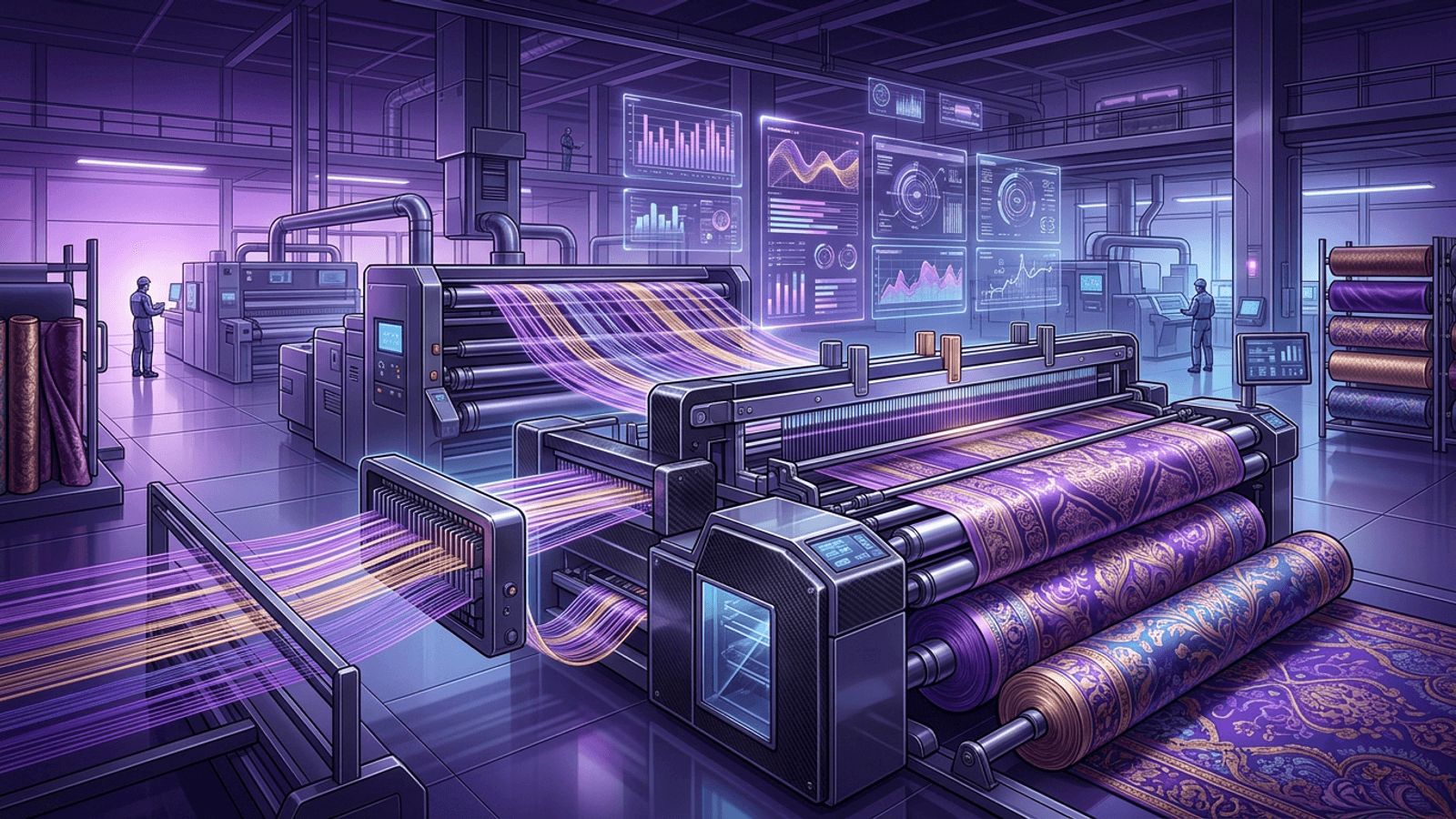
High Point's Textile Legacy
Long before High Point became the global gathering place for the home furnishings industry, the North Carolina Piedmont was one of the most important textile regions in the world. Mills producing hosiery, yarn, denim, and upholstery fabric shaped towns across the Triad. While much commodity production moved overseas, the region's textile sector has reinvented itself around performance fabrics, recycled fibers, technical textiles, and high-end upholstery.
Today, High Point remains closely tied to textiles because nearly every sofa, chair, and mattress showcased at the High Point Market depends on fabric. This guide highlights ten textile manufacturers based in High Point or the surrounding region that serve local furniture makers, designers, and brands.
Why Textile Sourcing Near High Point Matters
Furniture companies benefit from working with nearby fabric suppliers because it shortens lead times, simplifies sampling, and enables closer collaboration on color and texture trends. Domestic suppliers also offer greater supply chain transparency, a priority for brands responding to retailer requirements and consumer interest in responsibly made products.
The Top 10 Textile Manufacturers Serving High Point
1. Culp, Inc.
Headquartered in High Point, Culp is one of the world's largest marketers of mattress fabrics and upholstery fabrics. The company supplies leading bedding and furniture brands and is known for its design studios, performance fabric lines, and global manufacturing footprint.
2. Glen Raven
Based in nearby Burlington, Glen Raven is the maker of Sunbrella, one of the most recognized performance fabric brands in the world. Its solution-dyed acrylic fabrics are prized for fade resistance and durability in outdoor and indoor furniture.
3. Unifi
Greensboro-based Unifi is a global leader in recycled and synthetic yarns. Its REPREVE brand transforms plastic bottles into high-quality fiber used in apparel, upholstery, and automotive textiles, making it a key partner for sustainability-focused brands.
4. Valdese Weavers
Valdese Weavers in western North Carolina is a respected jacquard and decorative fabric mill. Designers value its innovative patterns, rich textures, and strong performance options for residential and hospitality furniture.
5. Precision Fabrics Group
Headquartered in Greensboro, Precision Fabrics Group produces engineered technical textiles for medical, industrial, and protective applications. Its expertise in specialized finishes demonstrates the Triad's shift toward high-value textile manufacturing.
6. Elevate Textiles
Elevate Textiles brings together historic brands such as Burlington and Cone Denim. With deep roots in the Piedmont, the company produces fabrics for apparel, uniforms, and specialty markets around the world.
7. Parkdale Mills
Parkdale Mills, based in Gastonia, is one of the largest spun yarn producers in the United States. Its cotton and blended yarns supply weavers and knitters throughout the region and beyond.
8. Hanesbrands
Hanesbrands, headquartered in nearby Winston-Salem, is a major apparel and textile company behind well-known basics brands. Its long history in the Triad makes it a cornerstone of the region's textile heritage.
9. Kontoor Brands
Kontoor Brands, home of Wrangler and Lee, is headquartered in Greensboro. While best known for denim apparel, the company has a strong focus on sustainable cotton sourcing and water-saving production methods.
10. Shuford Mills
Shuford Mills, located in Hickory, has a long history in the North Carolina textile industry and produces yarns and textile products for industrial and consumer markets.
How to Choose a Textile Manufacturer
Evaluate each supplier's specialty, whether it is upholstery, performance fabrics, yarns, or technical textiles. Request samples and review test results for abrasion resistance, colorfastness, and flammability standards relevant to furniture. Ask about minimum order quantities, lead times, and custom design capabilities. For sustainability goals, inquire about recycled content, certifications, and water and energy reduction efforts.
Textile Trends Influencing High Point
Performance fabrics that resist stains, moisture, and fading continue to dominate upholstery trends, especially for families with children and pets. Recycled fibers and traceable cotton are increasingly requested by retailers. Digital printing allows faster pattern development and smaller production runs, which is valuable for brands launching new collections at the High Point Market each spring and fall.
Frequently Asked Questions About Textile Manufacturers in High Point
Why is High Point important to the textile industry?
High Point is the global center of the home furnishings trade, and upholstered furniture and mattresses require enormous volumes of fabric. Textile companies showcase their latest collections to furniture makers and designers during the High Point Market, making the city a natural meeting point for fabric suppliers and buyers.
What are performance fabrics?
Performance fabrics are engineered to resist stains, moisture, fading, and wear. They are created through solution-dyed fibers, special finishes, or tightly woven constructions. They have become a top choice for households with children and pets, as well as for hospitality and outdoor furniture.
Can small brands work with regional textile mills?
Yes. Many mills in North Carolina work with emerging brands, although minimum order quantities vary. Small companies can often start with stock fabrics from a supplier's existing line before moving to custom designs as volumes grow. Building a relationship through sampling and clear communication about forecasts helps smaller brands earn better terms over time.
Local proximity also allows designers to visit mills, review strike-offs in person, and adjust colors quickly, which shortens development cycles for new furniture collections.
Final Thoughts
The textile industry remains woven into the identity of High Point. From global upholstery leaders headquartered in the city to innovative yarn producers across the Piedmont, the manufacturers on this list continue to support the furniture industry and demonstrate that North Carolina textiles have a strong and modern future.