
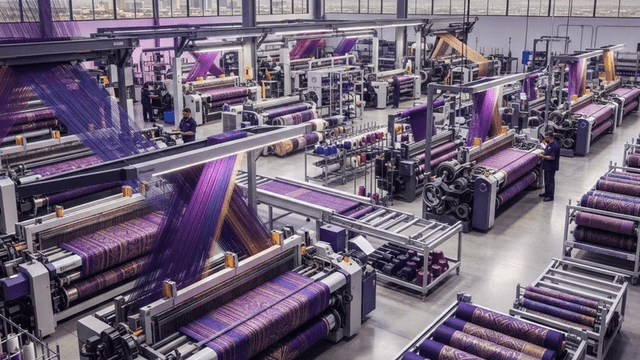
El Paso's Enduring Textile Tradition
Long known as a garment and apparel hub, El Paso built much of its early industrial identity around textiles. The city once earned the nickname of a denim capital, and while the industry has evolved, its legacy of skilled craftsmanship and manufacturing know-how endures. Today's textile manufacturers in El Paso blend that heritage with modern automation, sustainable practices, and specialized production, keeping the region relevant in a competitive global market.
The proximity to the border, access to skilled labor, and established supply chains make El Paso an attractive location for textile production. From workwear and uniforms to technical fabrics and home goods, the region's manufacturers serve a diverse clientele. This guide highlights the leading names and what makes each one noteworthy.
Why El Paso Remains a Textile Center
Several structural advantages keep textile manufacturing alive and well in El Paso. The binational workforce brings deep experience in cutting, sewing, and finishing. Cross-border logistics allow companies to coordinate production efficiently between facilities. Reduced shipping times to North American markets appeal to brands seeking nearshoring alternatives to overseas production. Together, these factors position El Paso as a practical base for both established manufacturers and emerging labels.
The Top Textile Manufacturers in El Paso
Franklin Textile Works stands out for its full-service apparel production, handling everything from pattern making to finished garments. Its reputation rests on consistent quality and the ability to scale orders for national brands.
Rio Bravo Fabrics specializes in woven and knit materials, supplying fabric to manufacturers across the Southwest. Its emphasis on durable, high-performance textiles makes it a favorite for workwear producers.
Sun City Apparel Group focuses on cut-and-sew operations for uniforms and corporate wear, delivering reliable turnaround for institutional clients.
Desert Denim Mills honors the city's denim legacy, producing quality jeans and denim goods with modern washing and finishing techniques.
Border Weave Industries has carved out a niche in technical and industrial textiles, including materials used in filtration, safety, and protective applications.
Paso Fina Fashions serves boutique and mid-size fashion brands, offering flexible production runs and attention to detail that larger factories often cannot match.
Mesa Knitworks concentrates on knitted fabrics and garments, supplying activewear and casual apparel producers with soft, resilient materials.
Chihuahuita Sewing Company provides contract sewing services, giving smaller brands access to professional manufacturing without heavy capital investment.
Lone Star Home Textiles produces linens, upholstery fabric, and home goods, catering to interior designers and retailers seeking domestically made products.
Sierra Blanca Textiles rounds out the list with sustainable production, using recycled fibers and low-impact dyeing processes to serve eco-conscious customers.
Product Specializations Across the Region
El Paso's textile manufacturers cover an impressive range of products. Denim and casual apparel remain signature offerings, but the sector has diversified into uniforms, medical textiles, home furnishings, and technical fabrics. This breadth allows the region to weather shifts in fashion trends and economic cycles, since demand across categories rarely moves in unison. Manufacturers that offer specialized capabilities, such as flame-resistant fabrics or moisture-wicking knits, command premium positioning.
Innovation and Sustainability
Modern textile production in El Paso increasingly emphasizes efficiency and environmental responsibility. Automated cutting systems reduce material waste, while water-saving dyeing methods lower the industry's environmental footprint. Several manufacturers have embraced recycled and organic fibers to meet rising consumer expectations. This commitment to sustainability not only appeals to conscious buyers but also helps companies comply with tightening regulations and brand requirements.
The Nearshoring Advantage
As brands reconsider long, fragile overseas supply chains, El Paso has benefited from the nearshoring trend. Producing closer to end markets shortens lead times, reduces inventory risk, and enables faster response to demand shifts. The city's manufacturers are well positioned to capture this momentum, offering the speed and flexibility that modern retail demands. This dynamic has revitalized interest in domestic textile production after decades of offshoring.
Choosing a Textile Manufacturing Partner
Selecting the right manufacturer depends on the nature of the project. Brands seeking large volumes benefit from established full-service producers with proven scalability. Smaller labels often find better fits with contract sewing shops and boutique-focused factories that welcome shorter runs. Buyers should also weigh a manufacturer's specialization, quality controls, and sustainability practices against their own priorities before committing.
Final Thoughts
El Paso's textile industry is a story of reinvention. Building on a proud manufacturing heritage, the region's producers have adapted to new technologies, embraced sustainability, and diversified their offerings. The manufacturers featured here represent the depth and resilience of a sector that continues to clothe, equip, and furnish customers across North America. For any brand seeking a capable, well-located production partner, El Paso deserves serious consideration.