
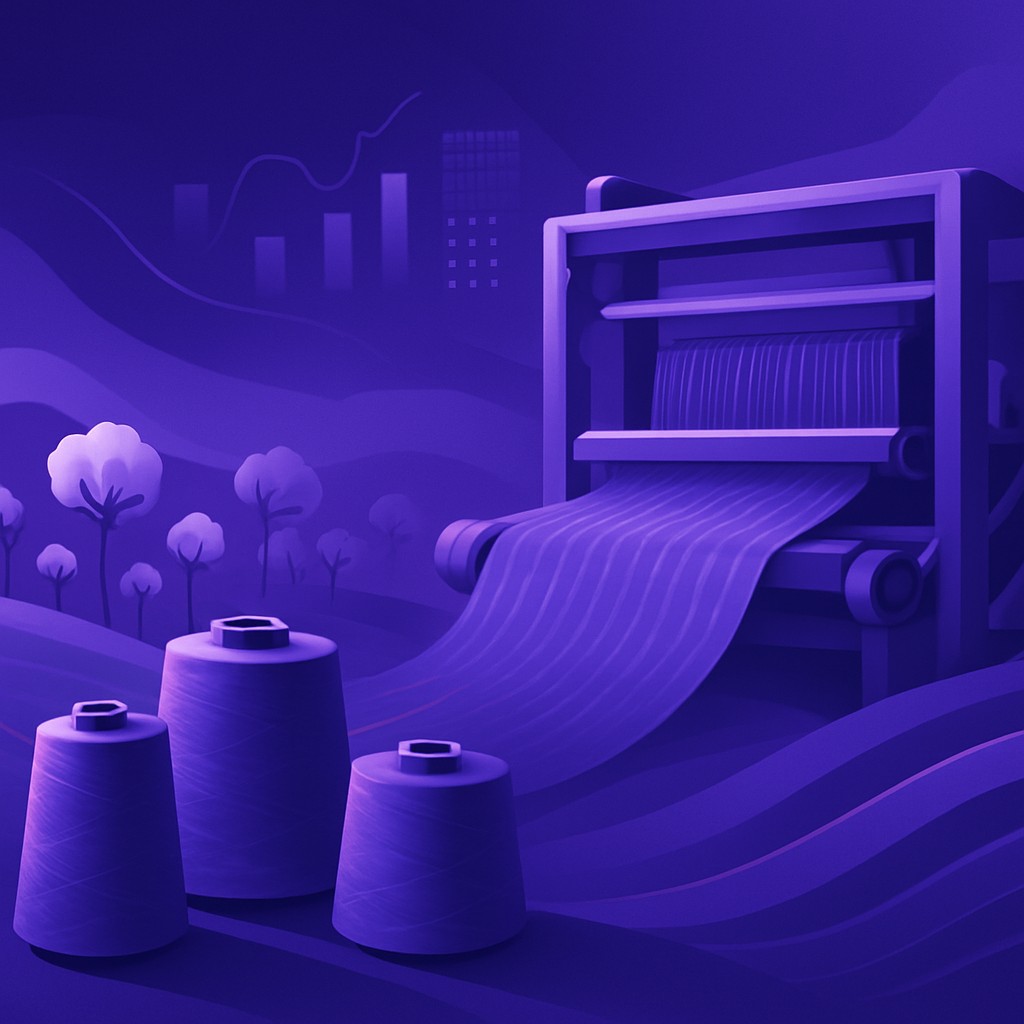
Burundi's Textile Heritage and Industry
Textiles hold a special place in Burundi's economy and culture. From cotton cultivation in fertile valleys to weaving, dyeing, and garment production, the sector connects agriculture with manufacturing and creates employment for thousands. As demand grows both domestically and across East Africa, textile manufacturers are modernising operations while preserving the craftsmanship that gives Burundian fabrics their identity.
The companies featured below are leaders in spinning, weaving, dyeing, and garment production, supplying clothing, household textiles, and specialty fabrics to local and regional buyers.
From Cotton to Cloth
Burundi grows cotton that feeds part of its textile value chain, giving local manufacturers a degree of raw material advantage. The journey from raw fibre to finished cloth involves ginning, spinning, weaving or knitting, dyeing, and finishing. Companies that manage multiple stages of this chain can offer better quality control and more competitive pricing.
The Top 10 Textile Manufacturers
1. COTEBU Textiles is a historically significant manufacturer associated with large-scale cotton processing and fabric production in the country.
2. Afritextile Burundi produces woven fabrics and garments for both domestic retail and regional export markets.
3. Bujumbura Garment Works specialises in ready-made clothing, supplying uniforms, workwear, and everyday apparel.
4. Imvura Fabrics is known for vibrant printed textiles popular for traditional and contemporary clothing.
5. Tanganyika Cotton Mills focuses on spinning and yarn production, supplying raw materials to weavers and knitters.
6. Akagera Apparel produces knitwear and casual clothing, combining comfort with affordable pricing.
7. Heritage Weavers Burundi preserves traditional weaving techniques while serving modern markets with artisanal fabrics.
8. Highland Textile Industries manufactures household textiles such as bed linens, towels, and curtains.
9. Umuco Garments emphasises ethical production and local employment, training workers in modern sewing techniques.
10. Lake Cotton Apparel rounds out the list with a focus on durable workwear and protective clothing for industrial clients.
Quality and Craftsmanship
The most respected manufacturers balance volume production with attention to quality. Strong stitching, colourfast dyes, and durable weaves distinguish premium products. Many companies also maintain artisanal lines that showcase traditional patterns and techniques, appealing to customers who value cultural authenticity alongside modern style.
Industry Trends
The textile sector is embracing modernisation, with companies investing in updated machinery to improve efficiency and consistency. There is also rising interest in sustainable practices, including water-efficient dyeing and responsible cotton sourcing. Regional trade integration across East Africa is opening new export opportunities, encouraging manufacturers to scale up and improve standards.
Economic and Social Impact
Textile manufacturing is labour-intensive, making it a powerful source of employment, particularly for women. By processing locally grown cotton into finished goods, the sector adds value within the country and reduces reliance on imported clothing. Training programmes also build valuable skills that support broader industrial development.
Choosing a Textile Partner
Buyers should consider product quality, production capacity, reliability of delivery, and design flexibility. For wholesale and export clients, consistency and the ability to meet large orders on time are essential. Visiting facilities and reviewing samples helps ensure a manufacturer can meet specific requirements.
Conclusion
Burundi's textile manufacturers blend rich heritage with growing industrial capability, clothing the nation and supplying regional markets. The companies highlighted here are driving the sector forward through quality, innovation, and job creation, weaving a stronger and more resilient economic future for the country.