
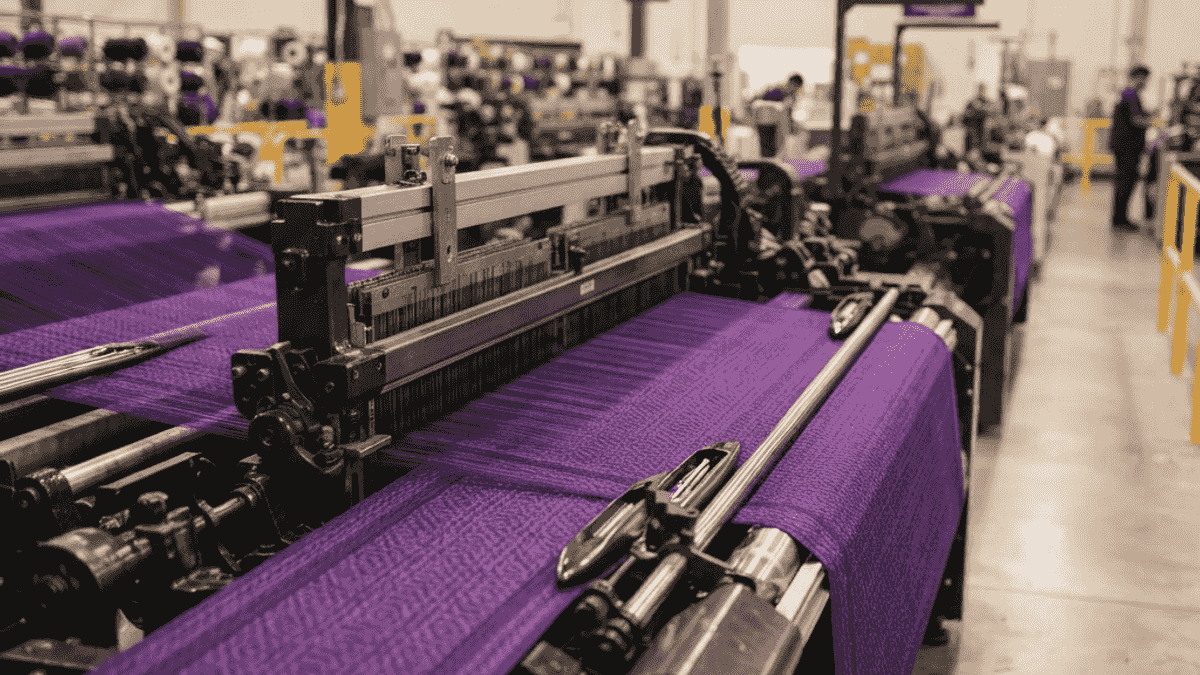
Baltimore's Rich Textile Tradition
Baltimore has a storied history in textile manufacturing that stretches back to the industrial era, when the city's mills and workshops helped clothe a growing nation. While the industry has transformed dramatically over the decades, that legacy of craftsmanship endures in a new generation of manufacturers who blend traditional skills with cutting-edge technology. Today's Baltimore textile companies produce a remarkable range of products, from performance fabrics and industrial materials to custom apparel and home goods.
This modern renaissance reflects broader shifts in the industry. As many businesses seek to shorten supply chains and bring production closer to home, Baltimore's skilled workforce and central East Coast location have made it an attractive place to manufacture textiles. Local companies serve fashion brands, medical suppliers, government contractors, and consumers alike, demonstrating the versatility of the region's textile capabilities.
What Sets Leading Textile Manufacturers Apart
The best textile manufacturers in Baltimore combine quality craftsmanship with reliability and responsiveness. Producing consistent, high-quality fabric requires precise control over materials, machinery, and processes, and top firms invest in both skilled workers and modern equipment to achieve it. Attention to detail in everything from thread selection to finishing determines whether a product meets the demanding standards of professional buyers.
Flexibility is another hallmark of the strongest manufacturers. Many clients need custom runs, specialized materials, or rapid turnaround, and leading companies build their operations to accommodate these demands. Sustainability has also become a defining differentiator, with the most forward-thinking manufacturers adopting eco-friendly dyes, recycled fibers, and energy-efficient processes to reduce their environmental impact.
Notable Textile Manufacturers in Baltimore
Companies such as Patapsco Textile Works have earned recognition for their custom fabric production and dedication to quality. Harbor Mills specializes in technical and performance textiles used in outdoor and industrial applications. Monument Fabric Company focuses on apparel manufacturing, partnering with emerging fashion labels that value domestic production.
Other respected manufacturers include Chesapeake Weaving Company, known for its heritage-inspired woven goods, and Bay City Textiles, which produces materials for medical and healthcare uses. Inner Harbor Fabrics serves the home goods market with upholstery and decorative textiles, while Locust Point Mills concentrates on sustainable, recycled-fiber products. Rounding out the list are Canton Cloth Company, Federal Hill Textile Group, and Fells Point Fabrics, each contributing specialized expertise that keeps Baltimore's textile sector diverse and dynamic.
Innovation and Industry Trends
Technology is reshaping textile manufacturing in Baltimore, with automation and digital design tools enabling greater precision and efficiency. Computer-controlled cutting, automated looms, and digital printing allow manufacturers to produce complex patterns and custom orders with speed and accuracy that were once impossible. These advances help local firms compete on both quality and cost.
Sustainability is perhaps the most influential trend driving the industry forward. Consumers and business buyers increasingly demand textiles produced with minimal environmental harm, prompting manufacturers to adopt closed-loop water systems, natural and recycled fibers, and non-toxic dyes. Baltimore's manufacturers are embracing these practices not only to meet demand but also to build long-term resilience in a changing marketplace.
Finding the Right Manufacturing Partner
Businesses seeking a textile manufacturer in Baltimore should consider factors such as production capacity, material specialties, quality standards, and turnaround times. A manufacturer whose capabilities align closely with a client's needs will deliver better results and a smoother working relationship than a generalist stretched across too many product types.
The manufacturers featured here illustrate the breadth and depth of Baltimore's textile industry. Whether a client needs technical fabrics, custom apparel, or sustainable home goods, the city offers experienced partners ready to bring their vision to life with craftsmanship rooted in a proud manufacturing tradition.
Questions to Ask Before Making a Decision
A thoughtful selection process should include direct questions about capacity, lead times, quality controls, workforce expertise, and contingency planning. Ask each prospective company to explain how it manages projects from the first consultation through delivery and ongoing support. Clear answers reveal whether the organization has mature processes or relies on improvised solutions. It is equally useful to request examples of comparable work, references from established customers, and details about insurance, certifications, warranties, and service agreements. These checks help buyers compare meaningful evidence rather than marketing claims alone.
Baltimore-specific considerations deserve attention as well. Companies familiar with the city's industrial corridors, port operations, transportation network, labor market, permitting procedures, and environmental requirements can often identify challenges earlier. Local knowledge is especially valuable when a project involves waterfront access, heavy freight, historic structures, dense neighborhoods, or coordination with regional utilities. Buyers should discuss how the provider handles scheduling disruptions, material shortages, extreme weather, and other conditions that can affect work in the Chesapeake region.
Finally, the lowest initial quote is not always the strongest value. Total cost includes product life, energy use, maintenance, downtime, replacement parts, training, and the quality of post-sale support. A well-run company should be willing to explain these trade-offs in plain language and document the assumptions behind its proposal. Comparing providers on safety, reliability, transparency, technical capability, and long-term service produces a more balanced decision. Readers should verify current capabilities and availability directly, since ownership, product lines, service territories, and operating conditions can change over time.