
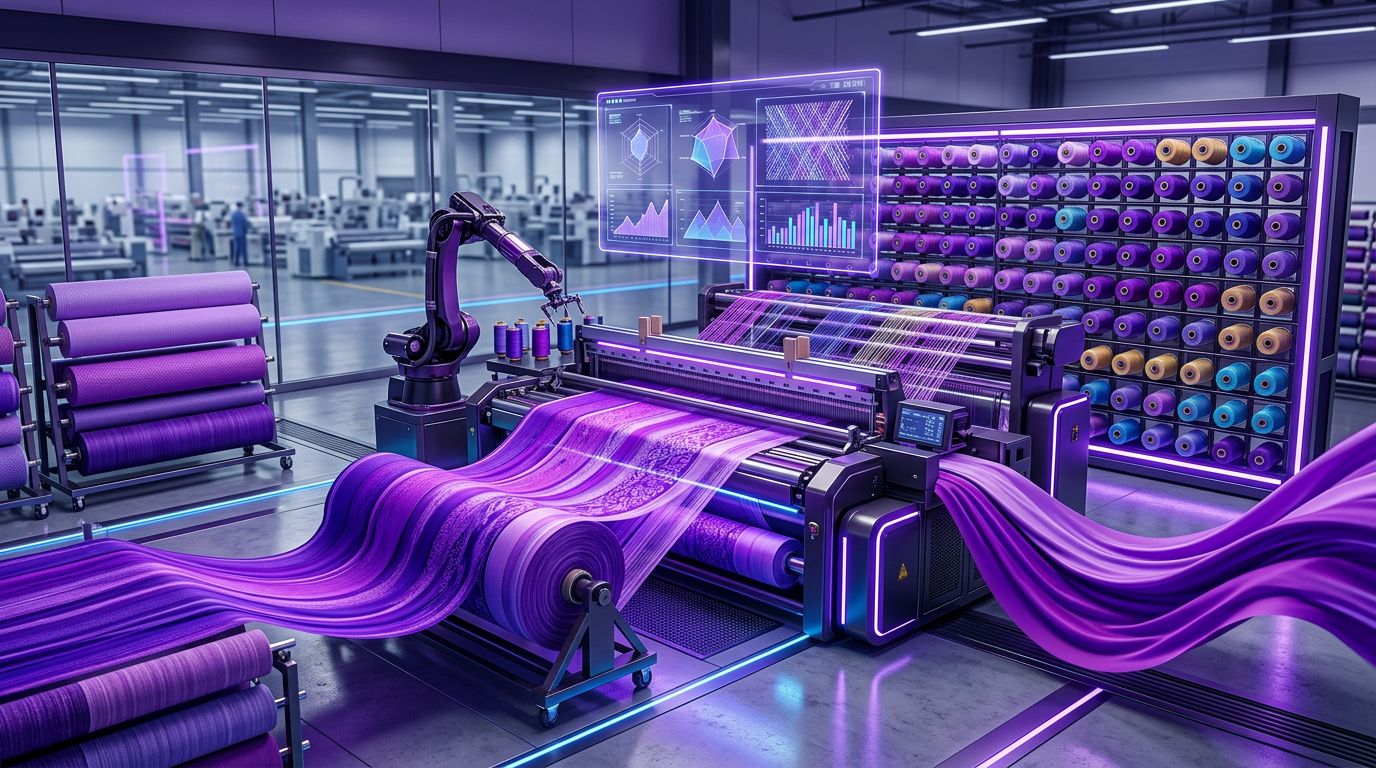
Textile Manufacturing in Ann Arbor and Michigan
Ann Arbor is better known for research and technology than for traditional textile mills, but the region has a meaningful textile and apparel sector. Local businesses produce custom apparel for the university community, sports teams, and companies, while Southeast Michigan's automotive industry drives significant demand for seating fabrics, interior textiles, and technical materials. Detroit-area brands have also revived American-made apparel and leather goods.
Textile manufacturers serving Ann Arbor range from screen printers and embroiderers to large suppliers of engineered fabrics. Here are ten of the best textile and apparel manufacturers serving the area.
The Top 10 Textile Manufacturers Serving Ann Arbor
1. Underground Printing
Founded in Ann Arbor, Underground Printing has grown into a major custom apparel manufacturer. It produces screen-printed and embroidered garments for universities, businesses, events, and organizations across the Midwest.
2. Ann Arbor T-Shirt Company
Ann Arbor T-Shirt Company specializes in custom apparel production, including screen printing and embroidery. It serves schools, nonprofits, businesses, and community events with dependable quality.
3. Carhartt
Carhartt is a Michigan-born workwear brand headquartered in Dearborn. Its durable clothing and textile innovations have earned a loyal following among workers and fashion-conscious consumers alike.
4. Detroit Denim
Detroit Denim handcrafts jeans and apparel in Detroit using quality materials and skilled craftsmanship. It represents the growing movement toward locally made, long-lasting clothing.
5. Shinola
Shinola is a Detroit-based brand known for watches, leather goods, and lifestyle products. Its focus on American manufacturing and quality materials has helped elevate Michigan's reputation for design.
6. Lear Corporation
Lear Corporation, headquartered in Southfield, is a global leader in automotive seating and related textiles. Its engineered fabrics and materials are used in vehicles worldwide.
7. Adient
Adient is a major automotive seating supplier with North American operations in Michigan. It develops seat fabrics, foams, and trim covers that balance comfort, durability, and design.
8. FORVIA
FORVIA, formerly known as Faurecia, maintains a significant North American presence in Southeast Michigan. It develops vehicle interiors, seating covers, and sustainable interior materials, including fabrics made with recycled and bio-based content.
9. Grafaktri
Grafaktri is an Ann Arbor print and design studio that produces screen-printed apparel and textiles with a creative, artistic edge. Local brands, bands, and organizations rely on it for distinctive small-batch merchandise.
10. Toyota Boshoku America
Toyota Boshoku America has major operations in Southeast Michigan and specializes in automotive seating, interior systems, and textile components. Its engineered fabrics are designed for comfort, durability, and modern vehicle aesthetics.
Textile Industry Trends
Sustainability is reshaping textile manufacturing. Consumers increasingly prefer organic cotton, recycled polyester, and garments designed to last. Local manufacturers are adopting water-based inks and reducing waste through on-demand production.
Technical textiles are also growing rapidly, particularly in the automotive sector. Electric vehicles demand lightweight, sustainable interior materials, and Michigan suppliers are investing in recycled and bio-based fabrics. Smart textiles that integrate sensors are another area of research and development.
How to Choose a Textile Manufacturer
Define your product needs, including materials, quantities, decoration methods, and timelines. For custom apparel, request samples and ask about minimum orders, printing techniques, and garment options. For industrial textiles, evaluate engineering capabilities, quality certifications, and supply chain reliability.
Consider sustainability practices and local production benefits. Working with nearby manufacturers often means faster delivery, easier communication, and a smaller environmental footprint.
Frequently Asked Questions
Can I order small quantities of custom apparel?
Many Ann Arbor shops accept small orders, especially for embroidery or digital printing. Screen printing usually becomes more cost-effective at higher quantities because setup costs are spread across more garments. Ask about minimum order requirements before placing an order.
What is the difference between screen printing and embroidery?
Screen printing applies ink directly onto fabric and works well for bold graphics on t-shirts and sweatshirts. Embroidery stitches designs with thread and offers a premium, durable look for polos, jackets, and hats. Each method suits different garments and budgets.
Are there sustainable apparel options available locally?
Yes. Many local printers offer organic cotton, recycled fabric blanks, and water-based inks. Requesting sustainable options supports environmentally responsible production and aligns with Ann Arbor's sustainability values.
How does the automotive industry influence Michigan textiles?
Automotive seating and interiors represent one of the largest textile markets in Michigan. Suppliers develop durable, comfortable, and increasingly sustainable fabrics, creating engineering and manufacturing jobs across Southeast Michigan.
How long does custom apparel production take?
Turnaround times typically range from several business days to a few weeks, depending on order size, decoration method, and garment availability. Rush services may be available for an additional fee.
Why choose a Michigan-based manufacturer?
Local production offers faster shipping, easier communication, quality oversight, and support for regional jobs. Many buyers also value the authenticity and story behind Michigan-made products.
Final Thoughts
Ann Arbor's textile landscape combines local custom apparel makers like Underground Printing and Ann Arbor T-Shirt Company with Michigan leaders such as Carhartt, Lear, and Shinola. Together, they demonstrate the region's strength in craftsmanship, innovation, and quality manufacturing.