
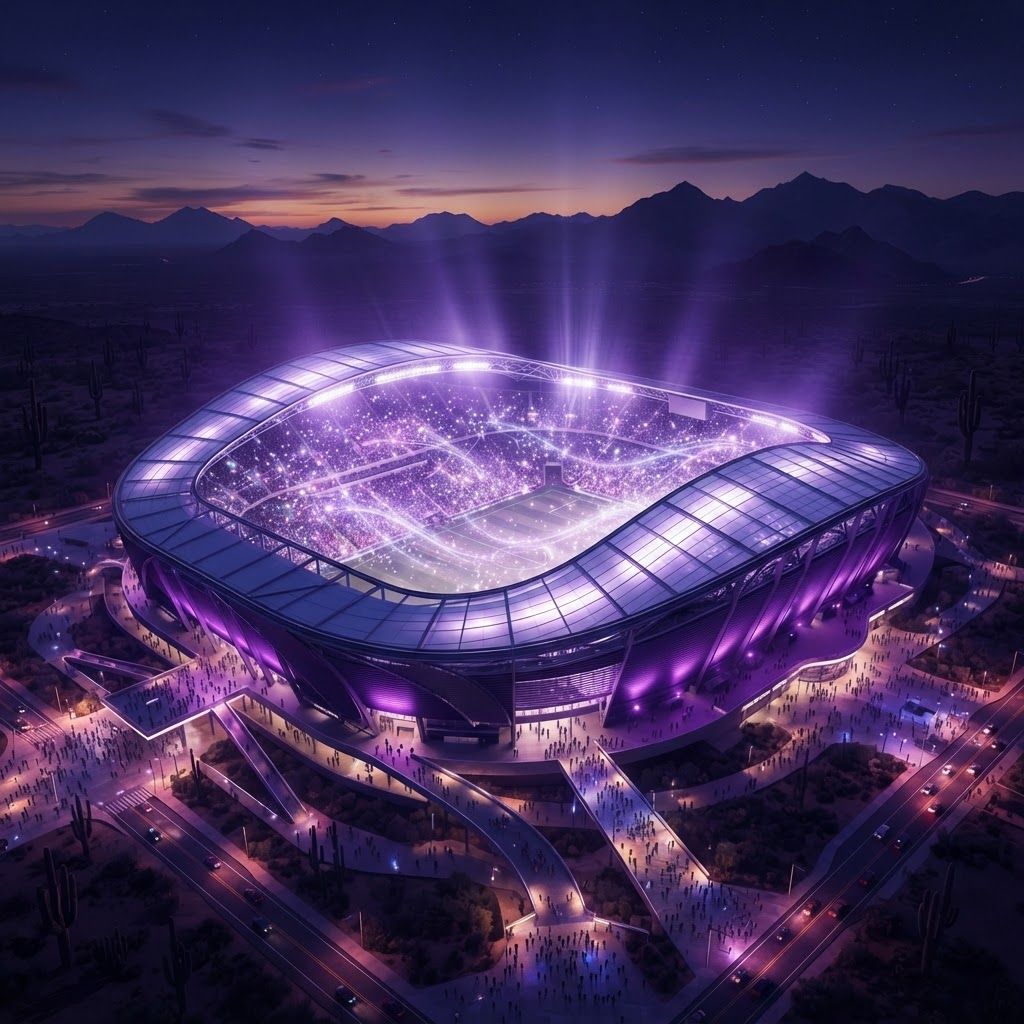
A Small City With an Outsized Sports Footprint
Scottsdale sits at the center of one of the most concentrated sports-venue clusters in the United States. Within a short drive of Old Town, visitors can watch spring training baseball, a PGA Tour event that draws the largest galleries in professional golf, collegiate athletics, equestrian competition, and youth tournaments that fill hotels for entire weekends. The reason is partly climate: Scottsdale's dry winters and reliable sunshine make it possible to schedule outdoor competition in months when much of the country is frozen.
The city's venues also reflect a deliberate economic strategy. Sports tourism generates significant lodging, dining, and retail revenue across Maricopa County, and municipal investment in facilities has been sustained over decades. The result is a portfolio of stadiums and complexes that range from intimate ballparks to sprawling tournament grounds.
Spring Training: The Anchor of the Calendar
Cactus League baseball is the cornerstone of Scottsdale's stadium identity. Scottsdale Stadium, tucked beside Old Town, is the spiritual home of the local spring training experience. Its intimate seating bowl, grass berm, and walkable location allow fans to move seamlessly from a morning workout viewing to lunch on Fifth Avenue. Renovations have modernized clubhouses and premium seating while preserving the sightlines and scale that make the venue beloved.
Salt River Fields at Talking Stick, located on the Salt River Pima-Maricopa Indian Community adjacent to Scottsdale, represents the modern evolution of the spring training model. As a shared two-team facility, it pairs a main stadium with an extensive practice campus, offering shaded concourses, wide berms, and desert landscaping that frames the McDowell Mountains. It consistently ranks among the highest-attended Cactus League venues and is widely regarded as a benchmark for ballpark design.
The complementary practice complexes matter as much as the game-day stadiums. Indian School Park and the surrounding municipal diamond clusters host amateur leagues, high school competition, and travel tournaments year-round, providing the developmental layer beneath the professional spectacle.
Golf's Grandest Stage
No discussion of Scottsdale venues is complete without TPC Scottsdale's Stadium Course, which functions as a temporary stadium of remarkable scale each winter. The par-three sixteenth hole is fully enclosed by grandstands, creating an amphitheater atmosphere unmatched anywhere in professional golf. Attendance across tournament week routinely exceeds that of major championships, and the infrastructure required to build, operate, and dismantle the venue annually is an engineering feat in itself.
The Stadium Course was purpose-designed for spectating, with elevated mounding and natural viewing corridors throughout the routing. Outside tournament week it operates as a public course, meaning recreational golfers can walk the same ground that hosts one of the sport's most raucous crowds.
Equestrian and Multi-Use Venues
WestWorld of Scottsdale is the city's most versatile large-scale venue. Combining a climate-controlled equidome, extensive outdoor arenas, and exhibition halls, it hosts Arabian horse shows of international standing, collector car auctions that draw global bidders, and large consumer expositions. Its flexibility makes it the closest thing Scottsdale has to a true multipurpose arena, capable of pivoting from equestrian competition to trade shows within days.
Nearby, polo grounds and seasonal event fields host matches and festivals that blend sport with social programming, reflecting a distinctly Scottsdale approach in which competition and hospitality are inseparable.
Collegiate and Community Facilities
Scottsdale Community College maintains athletics facilities including baseball, softball, soccer, and track venues that serve both intercollegiate competition and community access. These venues are unglamorous by design but form a critical part of the local sports infrastructure, providing affordable competition space for leagues and clubs.
High school stadiums across the Scottsdale Unified School District deserve mention as well. Friday night football venues at campuses throughout the city draw substantial crowds and have received turf, lighting, and grandstand upgrades that raise the quality of the amateur experience considerably. Several feature synthetic surfaces that tolerate heavy multi-sport scheduling in a climate where natural turf recovery is difficult.
Aquatics, Tennis, and Specialty Venues
The city operates aquatic centers with competition-grade pools that host swim meets and water polo, along with tennis complexes that support USTA-sanctioned tournaments and league play. Pickleball has driven a wave of court construction and conversion, with dedicated complexes now hosting tournaments that attract regional and national fields. These smaller venues rarely appear on tourist itineraries but represent the fastest-growing segment of local sports facility demand.
What Makes a Great Venue Experience Here
Several factors consistently separate the strongest Scottsdale venues from the merely adequate. Shade and heat management is paramount; venues with covered concourses, misting systems, and berm trees under mature canopy dramatically outperform exposed facilities from April onward. Access and parking matters in a car-dependent metro, and venues that offer rideshare zones, shuttle service, or genuine walkability from lodging districts earn loyalty.
Sightlines and scale are the third differentiator. Scottsdale's best venues intentionally stay small enough to feel intimate. Fans consistently cite proximity to the field of play as the defining feature of spring training baseball here, and modern renovations have been careful not to sacrifice that closeness for capacity.
Finally, concession and hospitality quality has risen sharply. Local restaurant partnerships, craft beverage programs, and premium club spaces have replaced generic stadium fare, aligning venue food with the city's broader culinary reputation.
Planning Your Visit
Timing is everything. February and March bring peak activity as spring training, the golf tournament, equestrian shows, and car auctions overlap, creating the busiest weeks of the Scottsdale year. Lodging demand spikes accordingly, and advance planning is essential. Late spring and autumn offer pleasant weather with far lighter crowds, while summer competition shifts toward evening scheduling and indoor facilities.
For families, the practice fields and community complexes offer free or low-cost access to high-quality sport. For visitors seeking spectacle, the marquee venues deliver atmosphere that rivals far larger cities.
Final Thoughts
Scottsdale's stadium landscape succeeds because it is diverse rather than monolithic. There is no single dominant arena, but instead a network of purpose-built venues, each excellent within its niche and collectively capable of sustaining a year-round sports economy. Whether the draw is the roar of a fully enclosed golf hole, the crack of a bat on a March afternoon, or a local high school under the lights, the city offers a depth of sporting venue experience that few communities of its size can match.