
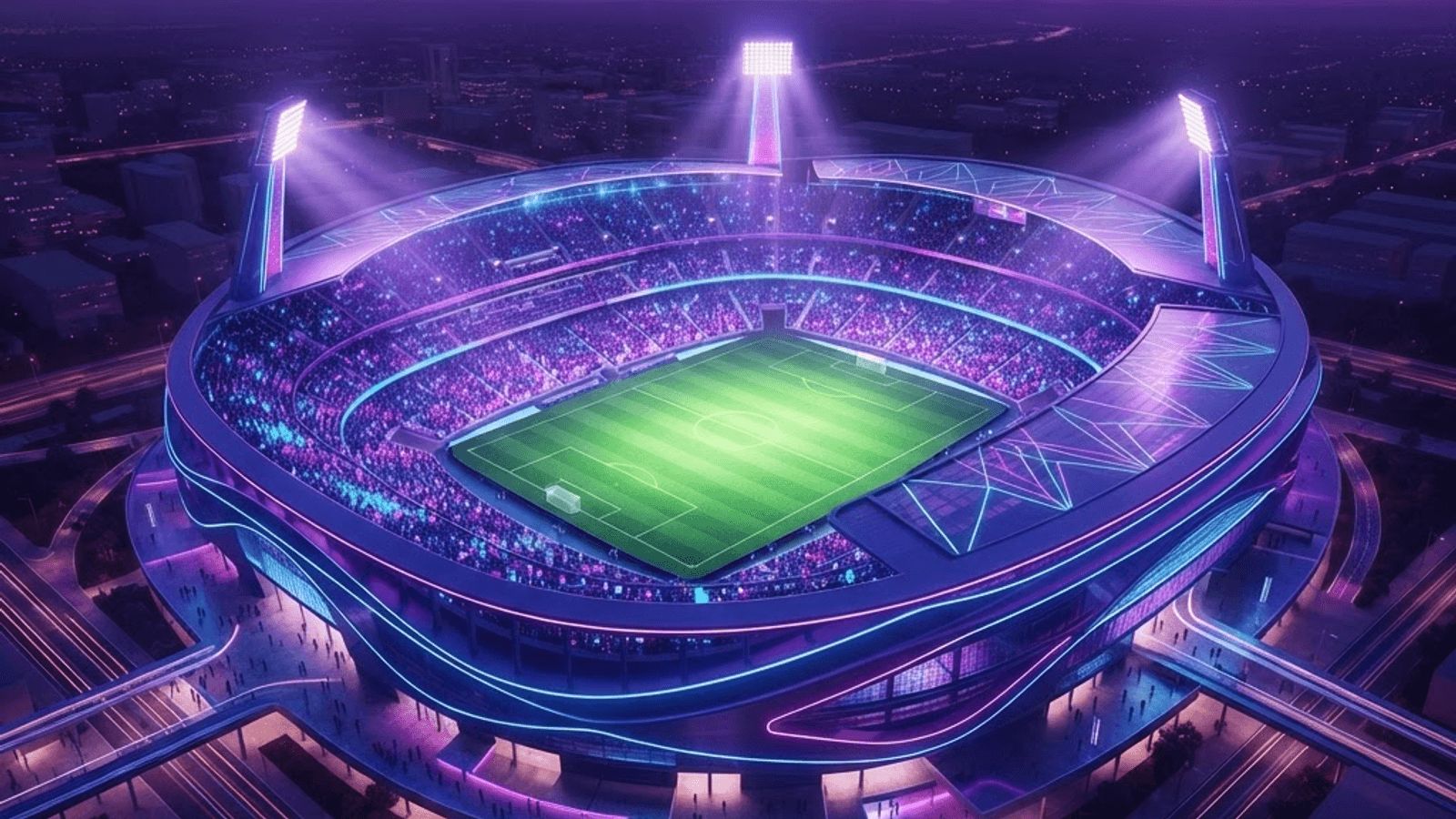
A Township Built Around Its Fields
Sports occupy an outsized place in Ramapo civic life. On an average autumn Saturday, the township's fields host soccer, football, field hockey and cross country simultaneously, drawing families from Suffern, Airmont, Hillburn, Wesley Hills, New Hempstead and the surrounding communities. That density of activity has produced a network of venues that is broader than most suburban townships of comparable size, spanning collegiate facilities, high school stadiums, municipal complexes and specialized indoor arenas.
What makes the local venue landscape interesting is its range. Some facilities are built for spectacle, with grandstands, lighting and press accommodations. Others are workhorses designed for volume, turning over four or five games a day across multiple fields. Understanding which venue suits which purpose is genuinely useful for coaches, tournament organizers and parents planning a weekend.
The Ten Leading Venues
Rockland Community Athletic Stadium anchors the list as the township's largest multipurpose venue. Its synthetic turf field accommodates football, soccer and lacrosse, and permanent seating plus stadium lighting make it the default choice for championship games and evening events.
Suffern High School Athletic Complex is a fixture of local sports culture. The main football and track facility has hosted generations of Friday night games, and the surrounding baseball and softball diamonds keep the complex in near-continuous use from March through November.
Ramapo Regional Sports Park is the volume venue. With multiple full-size and small-sided fields arranged around shared parking and concessions, it is purpose-built for tournaments and league play where dozens of teams rotate through in a single day.
Torne Valley Field House provides indoor turf under a permanent structure, extending the season through winter. Indoor soccer, lacrosse training, baseball and softball hitting work, and speed and agility programs all share the space on a scheduled rotation.
Airmont Memorial Field serves as a neighborhood-scale venue with a well-maintained natural grass surface, modest bleachers and a walking path around the perimeter. It is a favorite for youth soccer and community events.
Hillburn Recreation Grounds sits against the wooded western edge of the township and combines ball fields with courts and open space. The setting is among the most scenic in Rockland County, and the venue punches above its size for local tournaments.
Monsey Community Sports Center focuses on indoor court sports, hosting basketball and volleyball leagues across multiple age groups. Its scheduling capacity makes it central to the township's winter recreation calendar.
Northgate Ice Arena supports hockey and figure skating with full-size ice and spectator seating. Youth hockey programs, adult leagues and learn-to-skate sessions keep the building busy from early morning into late evening.
Wesley Hills Track and Field Complex offers a competition-grade running surface with dedicated jump and throw areas. Cross country and track programs across the region use it for meets, and it doubles as a community fitness resource.
Spring Valley Regional Ballpark rounds out the list with a baseball-first design: proper infield dirt, warning tracks, dugouts, a scoreboard and enough seating to host regional tournaments comfortably.
What Makes a Venue Actually Work
Playing surface quality is the most visible differentiator, but it is rarely the deciding factor for organizers. Drainage matters more. A field that sheds water quickly can host games the morning after a storm, while a poorly graded natural surface loses an entire weekend. This is the primary reason synthetic turf has spread across the region despite its higher installation cost; the usable-hours math is compelling in a climate with wet springs and unpredictable autumns.
Lighting extends capacity in a different dimension. A lit field roughly doubles available playing time during the fall and winter months, which relieves enormous pressure on scheduling. Modern LED sports lighting has made this upgrade more feasible, cutting energy consumption substantially while reducing light spill into adjacent residential streets, an important consideration in a township where fields often sit close to homes.
Spectator infrastructure is the third pillar. Adequate parking, accessible seating, clean restrooms, shade and reliable concessions determine whether families enjoy a tournament or endure it. Venues that have invested here consistently attract more events.
Trends in Facility Development
The clearest regional trend is the shift from single-sport to multipurpose design. New and renovated facilities are laid out so the same footprint can serve soccer, lacrosse, football and field hockey with inlaid or portable line markings. This maximizes return on public investment and gives programs flexibility as participation patterns shift between sports.
Year-round indoor capacity is a second major trend. Domed and permanent indoor turf facilities have expanded significantly across the Hudson Valley, driven by the growth of club sports that no longer recognize traditional seasons. Athletes now train and compete twelve months a year, and venues that can accommodate winter play capture substantial demand.
Sustainability is entering facility planning as well. Newer turf systems increasingly use organic or alternative infill rather than crumb rubber, and stormwater management is designed into the field base rather than treated as an afterthought. Several facilities in the region have added solar canopies over parking areas, offsetting operating costs while providing covered spaces.
Using the Township's Venues Well
For coaches and organizers, the practical advice is to match venue characteristics to event needs. A high-stakes championship benefits from the grandstands and lighting of a full stadium. A twelve-team round robin needs adjacent fields and shared amenities far more than it needs seating. Winter training programs should secure indoor slots early, as capacity fills months ahead.
For families, the township's venues offer something quieter as well. Many of these complexes include walking paths, open lawns and playgrounds, and they function as community gathering spaces well beyond game day. That dual role, competitive and communal, is what makes Ramapo's sports infrastructure genuinely valuable to the people who live here.