
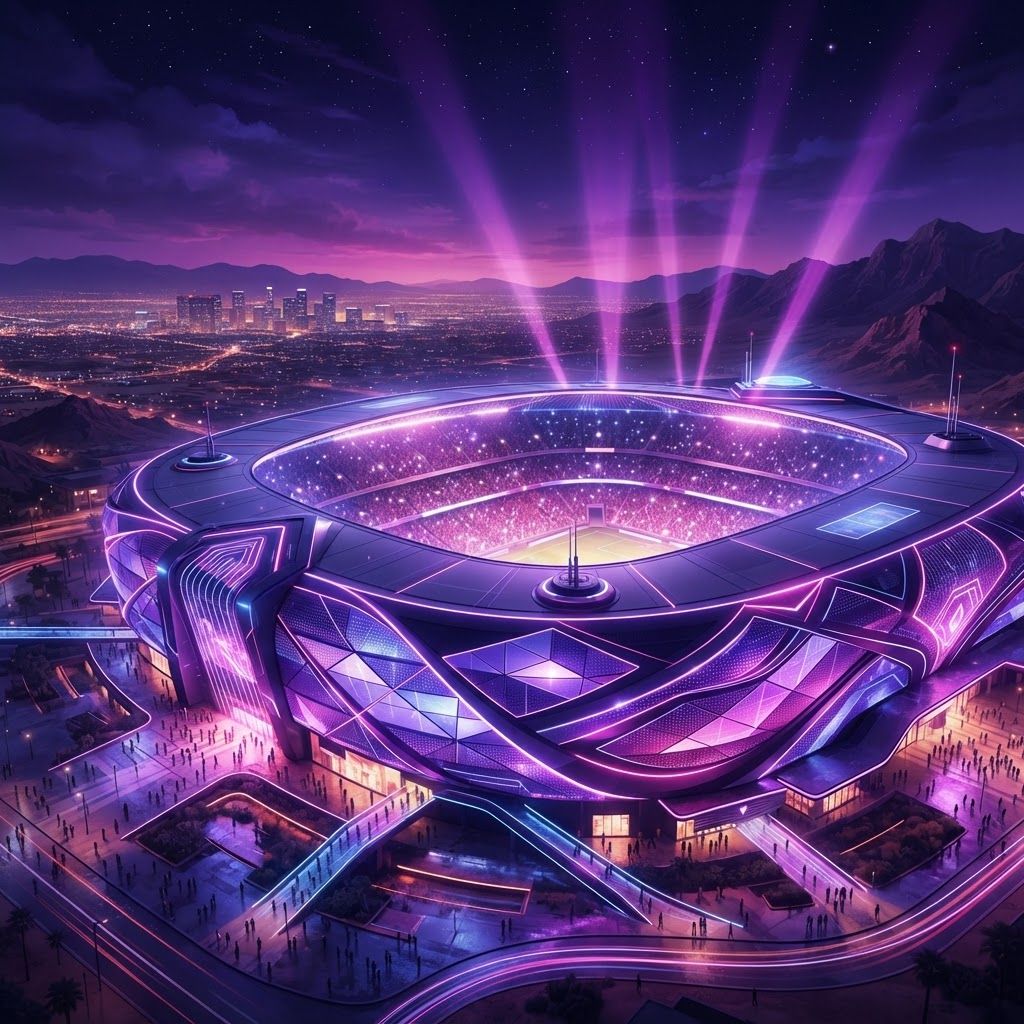
A Small City With an Outsized Sports Footprint
Few cities of Glendale's size host the caliber of events that land here regularly. The Sports and Entertainment District concentrates a major football stadium, a full-size indoor arena, spring training facilities and supporting entertainment venues within walking distance of one another. That density is deliberate, the product of long-term planning that turned a stretch of West Valley land into a genuine destination.
The result is a venue landscape ranging from enormous national-profile facilities to intimate community fields. Understanding what each one does best helps visitors and residents get the most from the city's remarkable sports infrastructure.
The Top 10 Stadiums and Venues in Glendale
1. State Farm Stadium. The anchor of the district and the home of professional football in the region, this stadium is architecturally notable for its retractable roof and roll-out natural grass field, which slides outside to receive sunlight. It has hosted championship football games, college football title matchups and international soccer, making it one of the most versatile large venues in the country.
2. Desert Diamond Arena. A full-scale indoor arena seating well over fifteen thousand for concerts, hosting major touring acts, family shows, combat sports and hockey events. Its acoustics and sightlines make it the premier indoor entertainment room in the West Valley.
3. Camelback Ranch. A sprawling spring training complex shared by two Major League clubs, combining a main stadium with extensive practice fields and player development facilities. The intimate seating and open sightlines to practice areas make it a favorite among baseball purists.
4. Glendale Civic Center Grounds. While not a traditional stadium, this outdoor event space regularly hosts festivals, community athletic events and cultural gatherings, serving as a flexible mid-sized venue in the historic downtown area.
5. Foothills Sports Complex. A municipal multi-field facility supporting youth and adult soccer, football and lacrosse leagues. Its lighted fields and organized league scheduling make it a backbone of local amateur sport.
6. Glendale Community College Gaucho Stadium. The collegiate athletics home for football, track and soccer, with strong community attendance and a genuine role in local sports development.
7. Rose Lane Park Athletic Fields. A neighborhood complex offering baseball and softball diamonds heavily used by little leagues and recreational adult teams throughout the cooler months.
8. Sahuaro Ranch Park Sports Fields. Set within one of the city's most historic parks, these fields combine recreational sport with a distinctive heritage setting, making them popular for tournaments and community events.
9. Heroes Regional Park Fields. Part of a large regional park development, this facility supports multi-sport use with modern amenities, ample parking and shaded spectator areas that matter enormously in local conditions.
10. Ironwood High School Stadium. One of several strong high school venues in the city, notable for the atmosphere generated on Friday nights and its role as a community gathering point during football season.
The Economics of a Sports District
Concentrating venues creates measurable economic effects. Hotels, restaurants and retail cluster nearby because event traffic supports them across multiple sports seasons and concert cycles. A single championship-caliber event can generate significant regional spending, and the cumulative effect of a full calendar of football, hockey, concerts and spring training keeps the district active for most of the year.
This also creates operational sophistication. Traffic management, shared parking systems and coordinated event scheduling across adjacent venues require the kind of planning typically associated with much larger cities.
Engineering Built for the Desert
Glendale's climate directly shaped its venues. State Farm Stadium's roll-out field exists because natural grass cannot thrive under a closed roof, yet a closed roof is essential for air conditioning a crowd in extreme heat. Retractable roofs, high-capacity cooling systems and extensive shade structures are not luxuries here but functional necessities.
Smaller facilities reflect the same pressure through lighted fields that push play into cooler evening hours, shaded bleachers, misting stations and drought-conscious turf management. Venue design in this region is fundamentally a response to temperature.
Practical Tips for Attending Events
Arrive earlier than you would elsewhere. Parking in the entertainment district fills quickly for major events, and the walk from outer lots is meaningful in summer heat. Check each venue's bag policy in advance, since clear-bag requirements are now standard at the larger facilities.
Hydration deserves genuine attention at outdoor events. Most venues permit sealed water bottles or provide refill stations, and even evening events in summer can be physically demanding. Digital ticketing is now the norm, so download tickets before arriving rather than relying on network connectivity in a crowd of tens of thousands.
Final Thoughts
Glendale's venue lineup ranges from a stadium capable of hosting the biggest game in American sports to neighborhood fields where local leagues play every weekend. That range is what makes the city genuinely interesting as a sports destination rather than simply a host site. Whether you are attending a championship event or a high school game, the infrastructure here has been built with unusual care for both the sport and the climate it is played in.