
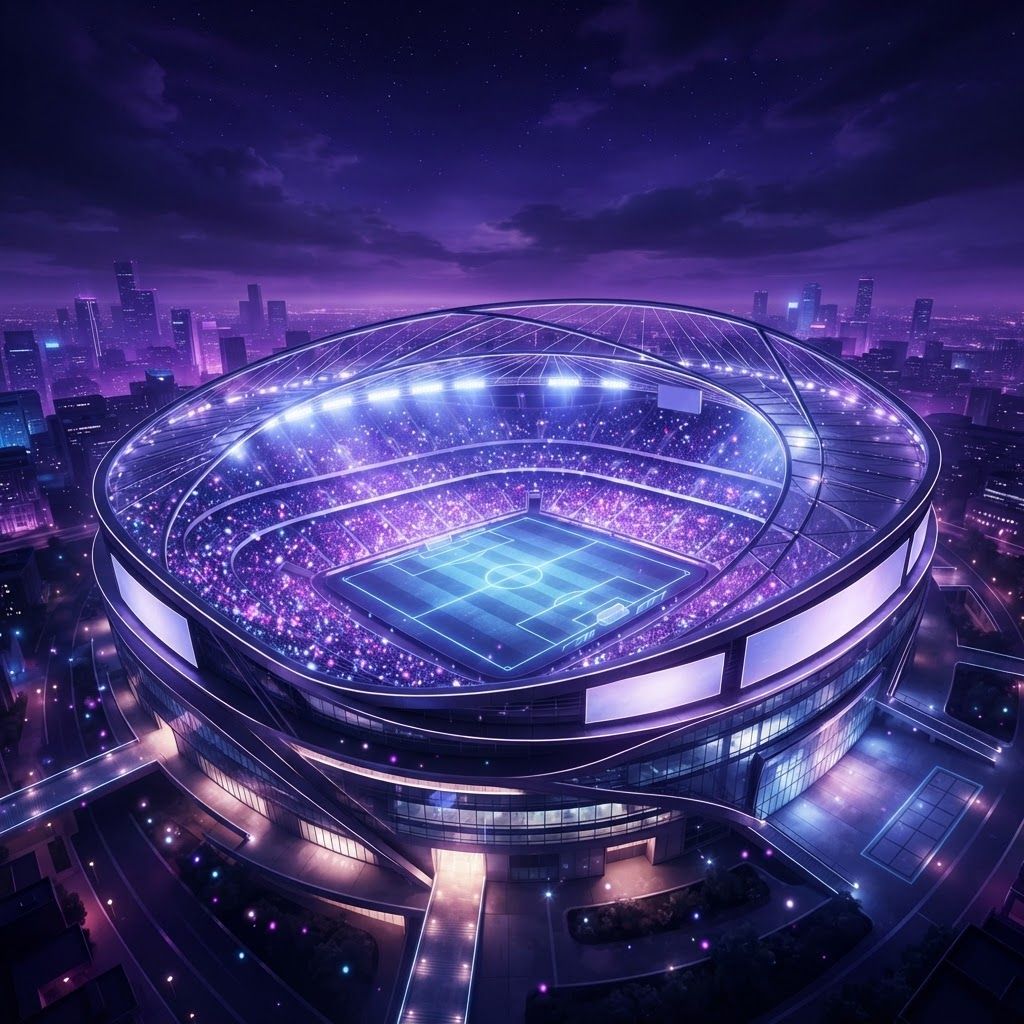
How Frisco Became Sports City USA
Frisco's transformation from a small agricultural community into a nationally recognized sports destination is one of the more deliberate stories in American municipal development. Rather than treating sports facilities as amenities, the city treated them as economic anchors, pursuing public private partnerships that brought professional franchises, league headquarters, training complexes, and championship events inside its boundaries.
The result is genuinely unusual. A city of roughly two hundred thousand residents hosts professional soccer, minor league baseball, professional indoor football, an NFL team's global headquarters and training facility, an NHL team's practice facility, a professional basketball development franchise, collegiate championship events, and one of the largest youth sports infrastructures in the country. Sports tourism drives hotel occupancy, restaurant traffic, and retail activity throughout the year, and the venues themselves have become organizing landmarks for entire mixed use districts.
The Ten Best Stadiums and Sports Venues in Frisco
1. Toyota Stadium. The centerpiece of Frisco soccer and home to FC Dallas of Major League Soccer. Beyond league matches it hosts international friendlies, collegiate championships, and concerts, and it houses the National Soccer Hall of Fame within its structure. Extensive renovation work has modernized seating, hospitality, and supporter sections while preserving the intimate sightlines that make it one of the better soccer specific atmospheres in the league.
2. The Ford Center at The Star. An indoor domed stadium at the heart of the Dallas Cowboys world headquarters complex, shared with Frisco Independent School District high school football. Its dual purpose design is remarkable: professional caliber facilities operating alongside genuine community high school competition. The venue also hosts collegiate games, high school championships, concerts, and major events.
3. Riders Field. Widely praised as one of the finest minor league baseball parks in the United States, home to the Frisco RoughRiders. Its brick architecture, lawn seating, pool area, and family oriented amenities created a template that other franchises have studied and copied. Summer evenings here are among the most accessible sports experiences in North Texas.
4. Comerica Center. A multipurpose arena serving as home to the Texas Legends of the NBA G League and as the practice facility for the Dallas Stars. Its combination of professional basketball development, hockey training, concerts, and community ice programming makes it one of the most utilized buildings in the city.
5. The Star Practice Fields. The outdoor training complex within the Dallas Cowboys headquarters, notable because public access to observe professional training is far more open here than at comparable NFL facilities. The surrounding development integrates retail, dining, medical, and office space around the athletic core.
6. Frisco Athletic Center Complex. A municipal recreation and aquatics facility that anchors community fitness and competitive swimming. While not a spectator stadium in the traditional sense, its scale and programming make it central to how residents actually participate in sport rather than watch it.
7. Frisco ISD Stadium Network. The district operates multiple high quality football and multipurpose stadiums across the city, reflecting the extraordinary investment Texas communities make in secondary school athletics. Friday night attendance at these venues rivals collegiate crowds in many states.
8. Warren Sports Complex. A large municipal complex supporting baseball, softball, and multipurpose field sports with lighted diamonds and tournament capability. It serves as one of the primary engines of Frisco's youth sports tourism.
9. Frisco Commons and Multipurpose Fields. A network of parks and athletic fields hosting soccer, lacrosse, rugby, and club competition across age groups. The breadth of programming here is a major reason families cite athletics when explaining relocation to the city.
10. Fieldhouse USA Frisco. A large indoor multi court facility supporting basketball, volleyball, and indoor training year round, which matters considerably given North Texas summer heat. It regularly hosts regional tournaments that fill area hotels.
What Makes These Venues Work
Several design and planning decisions recur across Frisco's best facilities. The first is mixed use integration. The Star and the districts surrounding Toyota Stadium and Riders Field combine athletics with dining, retail, office, and residential space, which keeps the areas active on non event days and improves the economics of the venues themselves.
The second is shared use. The Ford Center's arrangement between a professional franchise and a public school district, and Comerica Center's combination of professional practice and community programming, spread capital costs across multiple stakeholders and dramatically increase utilization. Facilities that sit empty most of the year are difficult to justify; these do not.
The third is climate awareness. Indoor and domed facilities are not luxuries in a region where summer temperatures make outdoor competition genuinely unsafe during much of the day. Investment in covered and conditioned athletic space extends the usable calendar substantially.
Attending Events Practically
Parking and timing matter at the larger venues, particularly for events at The Star and Toyota Stadium where surrounding retail traffic compounds arrival congestion. Arriving early rewards visitors with access to the surrounding districts, which are often as much of the experience as the event. Summer events benefit from evening scheduling and hydration planning, and families frequently find weekday minor league baseball the best value in local sports entertainment.
Final Thoughts
Frisco's stadiums represent an intentional civic strategy rather than an accident of growth. By pairing professional franchises with community use, integrating venues into walkable mixed use districts, and investing heavily in youth and school athletics, the city built sports infrastructure that serves residents daily rather than only on event nights. For visitors, it offers an unusually dense sports itinerary within a single city; for residents, it remains one of the defining reasons Frisco feels the way it does.